You cringe when a child points at your dusty baseboards and suddenly worry what else stands out. It feels personal because living spaces reveal small details, but you can fix most of them fast with a few targeted cleanups and simple habits. Start with the spots guests actually notice — baseboards, high-touch surfaces, and visible clutter — and you’ll change the overall impression of your home quickly.
They’ll walk in and notice the things you never think about, so this piece shows what matters most and how to tackle it without turning your life upside down. You’ll learn where to focus your time, easy tools that save your back, and quick routines that keep those details from creeping back.
Why Guests Notice Little Things (Like Baseboards)
Small details often register faster than big ones. A dusty baseboard, a streaked mirror, or a crooked switch plate can signal how a space is cared for and shape a visitor’s attention before they notice more deliberate choices like decor or lighting.
The Psychology Behind What Stands Out
People scan new spaces quickly, looking for cues that help them judge cleanliness and order. Visual systems prioritize contrast and edges, so dark dust along white baseboards or smudges on a shiny surface jump out instantly. That reaction is automatic; it doesn’t require conscious thought.
Social expectations matter too. Guests bring mental checklists—clean floors, uncluttered surfaces, working lights—that they compare against what they see. When one small item fails the checklist, it shifts their overall impression. This is why a child pointing at a dirty baseboard can make an adult suddenly assess the whole room.
Attention also ties to perceived effort. Visible neglect suggests lower maintenance standards, which people translate into broader judgments about the homeowner’s care and reliability. That’s why fixing a handful of high-visibility spots yields outsized returns.
Common Spots Guests Immediately See
Guests tend to notice places they interact with or that frame their view. High-visibility targets include baseboards, light switch plates, door frames, and window sills. These surfaces sit at eye level or border the floor, so dirt, scuffs, and mismatched hardware become obvious quickly.
Reflective surfaces—mirrors and TV screens—also attract attention because they contrast with surrounding textures. Smudges or fingerprints on these surfaces feel more glaring. Kitchen and bathroom cabinet interiors and tops of tall appliances often reveal clutter when doors open or people look up, producing awkward impressions.
Entryways and pathways matter most. A cluttered shoe area, visible trash can, or dented wall by the door signals neglect immediately. Those few spots are easy to prioritize for cleaning and repair, and doing so changes what guests notice first.
How First Impressions Are Formed
First impressions form within seconds and rely on a few quick heuristics: cleanliness, order, and functionality. Guests interpret visible details as evidence of those qualities, so one small negative cue can sway their full impression disproportionately.
Memory and emotion amplify the effect. An annoying detail—like dusty baseboards—often sticks and becomes the frame for recalling the visit. People then mentally group other observations under that frame, which is why tiny things can define a host’s perceived competence.
Practical lighting and layout choices steer initial focus. Bright entry lighting highlights floor edges and baseboards; poorly placed lamps can hide issues. Controlling what guests see first—clear entry path, clean threshold, tidy surfaces—helps guide their impressions away from incidental flaws.
Areas Guests Notice Most (And What to Actually Clean)
Small, specific things make the biggest impressions: high-traffic thresholds, visible dust on horizontal surfaces, bathroom mirrors and fixtures, and corners where grime and mold start. Focus on quick wins that show up immediately to visitors.
Baseboards, Floors, and Entryways
Guests glance at the floor within seconds of stepping inside. Scuffed baseboards and a dusty entry mat signal neglect faster than a cluttered countertop. Wipe baseboards with a damp microfiber cloth or a Magic Eraser to remove scuffs; aim for this every two weeks in high-traffic areas. Vacuum or sweep under the entryway rug and shake or hose mats weekly to keep tracked-in dirt from spreading.
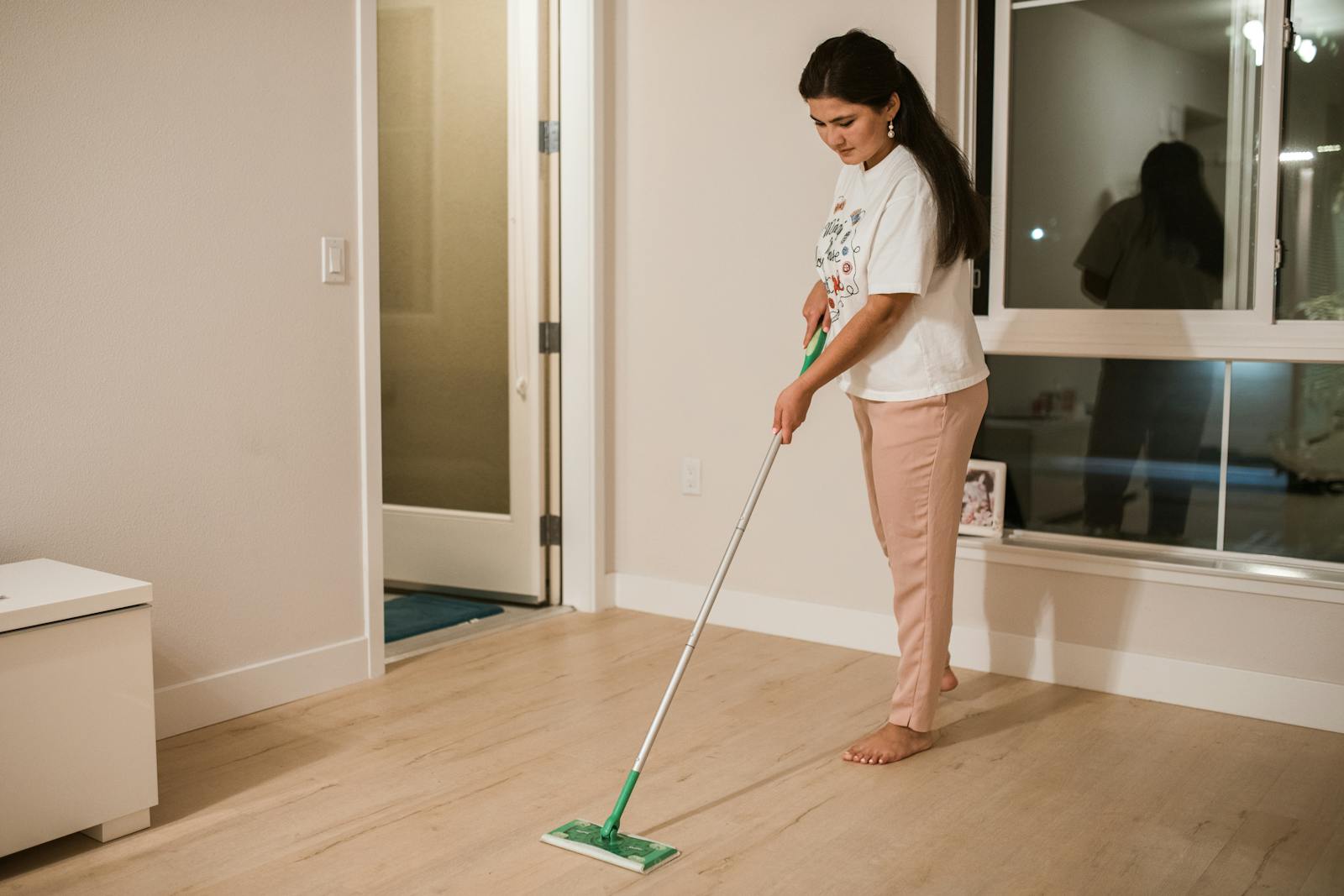
For floors, focus on visible streaks and sticky spots. A quick mop across the path guests use—front door to living room—changes the room’s feel. Don’t forget the space between appliances and counters where crumbs collect.
Visible Dust and Clutter
Eyes land on horizontal surfaces: TV consoles, ceiling fan blades, and the tops of picture frames. Dust these weekly using a microfiber cloth or the pillowcase trick on fan blades to trap dust instead of dispersing it. For electronics, use compressed air for vents and a soft cloth for screens to avoid streaks.
Clutter communicates chaos. Clear magazines, mail, and children’s toys from sightlines and stash them in one basket or bin. Keep countertops at least 75% clear in guest-facing rooms to make the space feel intentional and tidy.
Bathroom Details Guests Always Check
Guests notice toilet bases, grout lines, and the mirror first. Scrub the toilet exterior and base and wipe the underside of the seat; do this at least weekly. Re-grout or use grout cleaner on stained lines near showers—clean grout reads as cared-for even if other areas get less attention.
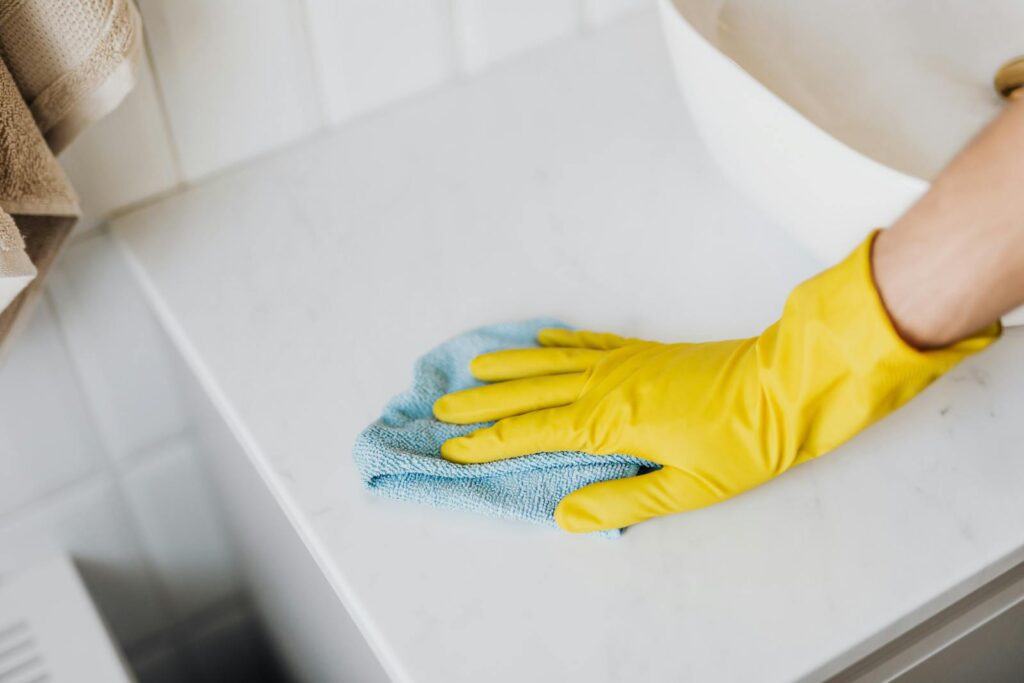
Mirrors and chrome show fingerprints and water spots instantly. Use a glass cleaner and a microfiber cloth for streak-free shine. Also check the soap dispenser, towel edges, and the floor behind the toilet where hair and dust collect; a quick sweep and disinfect of those spots prevents bad impressions.
Overlooked Corners and Mold Hotspots
Corners, behind furniture, and the tops of tall appliances often hide cobwebs and moisture damage. Inspect these areas monthly, removing cobwebs with an extendable duster and moving lightweight furniture to vacuum underneath. Kitchens and bathrooms need special attention: check caulk lines around tubs and sinks for soft spots or discoloration.
Mold loves grout lines, window sills, and the back of under-sink cabinets. If a spot is small, clean with a vinegar solution or a diluted bleach wipe per product instructions; wear gloves and ensure ventilation. For persistent or spreading mold, contact a professional to assess and remediate.
More from Decluttering Mom: