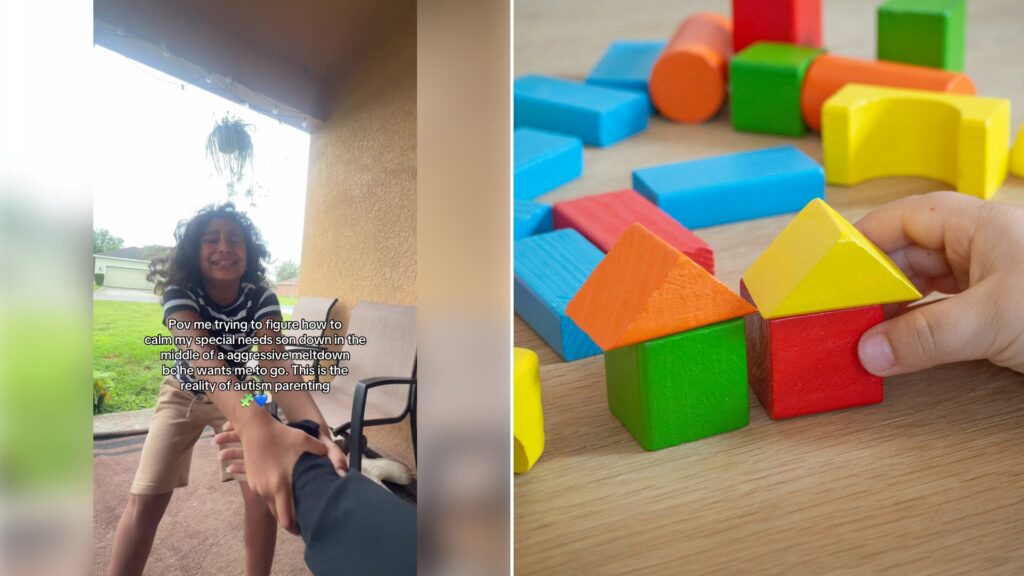
You catch yourself snapping and the guilt hits hard. She worries that one lost moment of patience defines her whole worth as a mom, but that feeling doesn’t make her a bad mother — it makes her human.
You can lose your temper and still be a loving, effective parent; what matters is how you repair and learn from those moments. This piece explains why moms equate losing patience with failure, how stress and unrealistic standards fuel that belief, and practical, healthier ways to cope when tempers flare.

Why Losing Patience Makes Moms Feel Like “Bad Mothers”
Many mothers cycle from irritation to remorse quickly, judging their outbursts against personal and social standards. This creates immediate self-criticism, rumination, and sometimes avoidance of everyday interactions with their children.
Understanding the Emotional Cycle of Losing Patience
When a mom snaps, adrenaline and cortisol spike, narrowing attention to the triggering behavior—screaming, refusal, or danger. That physiological reaction makes calm reasoning hard in the moment, so reactions feel automatic rather than chosen.
After the incident, the brain shifts into evaluation mode. She replays words, tone, and consequences; this replay fuels shame because memory focuses on the gap between intent (“patient teacher”) and action (“yelled”). Small triggers—tiredness, hunger, noise—compound and shorten the fuse for the next episode.
Recognizing this cycle helps identify practical breaks: a short pause, moving a child to safe space, or a pre-planned phrase like “I need a minute.” These steps interrupt the loop and reduce the frequency of escalations.
Dealing With Guilt and Self-Blame
Guilt often lands as a harsh, immediate response after losing patience. She equates a single burst of anger with being fundamentally flawed, which exaggerates the incident into a character judgment.
Self-blame gets reinforced by rumination—replaying the outburst and imagining worst-case outcomes. That mental habit increases stress and lowers patience the next time, creating a feedback loop that’s hard to break without deliberate strategies.
Practical options include naming the feeling out loud to the child (“I lost my patience; I’m sorry”), making amends with a brief, specific apology, and tracking triggers in a simple list. These actions restore trust and reduce guilt faster than vague promises to “do better.”
The Pressure to Be a Perfect Parent
Social media and parenting culture broadcast polished moments: crafts, tantrum-free outings, and calm problem-solving. She compares messy reality to curated feeds and assumes she’s the outlier who’s failing.
Cultural narratives—“good mothers are endlessly patient”—leave little space for normal human limits like fatigue and frustration. Workplace stress, lack of sleep, and unequal caregiving duties magnify that pressure, making any loss of control feel like a public failure.
Concrete steps help: limit social comparison by muting accounts that trigger shame, set realistic expectations about daily routines, and ask partners or friends for specific support (one uninterrupted hour in the afternoon, bedtime help, or weekend childcare). Those changes reduce the gap between expectation and reality.
Healthier Ways to Cope When You Lose Your Cool
This section gives concrete steps she can use the next time she feels overwhelmed: short calming techniques, ways to practice self-forgiveness, and how to build a support plan that reduces future flare-ups.
Practical Strategies to Manage Frustration
- Pause and use a 3-step reset: breathe (4 seconds in, 6 out), step away for 60–90 seconds, and name the feeling aloud (“I’m frustrated”). These actions lower arousal and break the immediate escalation loop.
- Create a small emergency kit: a timer, a textured stress ball, and a list of one-sentence scripts to use with kids (“I need a minute; play quietly for two minutes.”). Having tools ready reduces the chance she’ll react impulsively.
- Change the environment quickly: move to a different room, open a window, or switch the activity. Physical shifts reduce triggers and give space to recalibrate.
- Practice short daily habits: two-minute breathing before breakfast, a five-minute walk after school drop-off, or a nightly 60-second gratitude note. Small routines lower baseline stress over time.
Self-Compassion and Letting Go of Mom Guilt
She can treat herself like a friend after she loses her cool rather than punishing herself. Saying, “That was hard; I’m learning,” interrupts the shame spiral and makes repair with her child more likely.
- Use an accurate, nonjudgmental script: “I was too loud earlier. I’m sorry. I won’t yell again.” This models accountability without shaming.
- Keep a short log of incidents and what helped next time: date, trigger, response, and one change to try. Reviewing patterns helps replace vague guilt with concrete improvements.
- Schedule one self-kindness action weekly: a 20-minute bath, a walk, or calling a friend. Concrete self-care replenishes patience and reduces future guilt.
Seeking Support and Building Resilience
She should assemble a practical support plan that fits her day-to-day life. Identify one reliable person (partner, friend, neighbor) and one fallback resource (parenting helpline, online group) and share clear expectations about when to call.
- Use specific trade-offs: “Can you watch the kids for 30 minutes on Wednesdays so I can run errands?” Concrete asks get fulfilled more often than vague pleas for help.
- Consider short-term professional help when anger feels out of control: a six-week parenting class, a therapist who offers 30-minute check-ins, or a local anger-management group. Many programs teach scripts and role-plays that translate directly into calmer moments at home.
- Build resilience with predictable rituals: consistent bedtime routines, planned family downtime, and a weekly check-in with a supporter. Consistency reduces chaos and makes coping strategies easier to use.More from Cultivated Comfort:
- 7 Vintage Home Items From the ’60s That Are Collectors’ Dream Finds
- 7 Vintage Home Goods That Became Collectors’ Gold
- 7 Fast-Food Chains That Changed for the Worse
- 7 Frozen Dinners That Were Better Back in the Day