


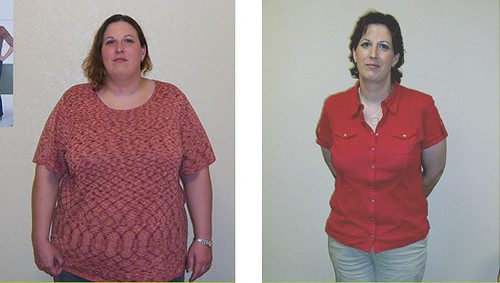
You noticed people treating your body like a spectacle, and that realization pushed you to change more than your weight. You started to untangle attention that felt objectifying from attention that felt genuine, and that shift became the catalyst for a complete reinvention.
Losing 196 pounds didn’t erase the awkward encounters — it taught you how to reclaim agency, set boundaries, and choose relationships that respect you. This post walks through the turning point that sparked the transformation and how life reshaped afterward, from emotional fallout to unexpected strengths.
Expect honest moments about fetishization, the practical choices that made the weight loss sustainable, and the ways identity and confidence evolved once attention no longer defined your worth.
From Fetishized To Empowered: The Turning Point


She stopped ignoring the pattern and started naming it. That shift—seeing attention as objectifying rather than flattering—changed how she thought about her body, her choices, and her future.
Recognizing Problematic Male Attention
She began tracking incidents: messages asking to see “only the good parts,” men approaching her in public with intrusive comments, and friends who joked about her weight instead of checking on her well‑being. Writing down specific phrases and situations helped her separate casual compliments from sexualized behavior.
She noticed a pattern: many interactions focused on her size as an erotic novelty rather than on who she was. That clarity made it easier to set boundaries, like leaving conversations that veered into fetishizing territory or blocking repeat offenders online.
Practical changes followed—she avoided certain dating apps, redesigned her social media privacy, and coached friends to call out inappropriate remarks. Those concrete steps reduced exposure and made her feel safer.
Emotional Impact Of Being Fetishized
Being treated as an object wore on her confidence. She felt reduced to a body part in messages and laughed off uncomfortable encounters until the laughter hid the hurt. Over time, repeated fetishizing led to anxiety in social settings and hypervigilance about how people looked at her.
She journaled the emotions—anger, shame, numbness—and used that log when talking with a therapist who specialized in body‑image issues. Therapy helped her identify triggers and reclaim emotional boundaries.
Small wins—saying “no” to a photo request, reporting a harassing account—built back a sense of agency. Those actions chipped away at the shame and replaced it with clearer self‑respect.
Motivation To Change And Take Control
The decision to lose weight began as self‑defense: she wanted to stop being someone else’s fetish and start choosing her life. She set measurable goals—lose X pounds in Y months, improve stamina for walking with her children, lower blood pressure—so progress stayed practical and trackable.
She created a plan that combined nutrition, enjoyable movement, and mental health work. Rather than punishing herself, she prioritized sustainable habits: meal prepping, 20‑minute walks that grew to longer hikes, and weekly therapy sessions to address the root causes of emotional eating.
Accountability mattered. She joined a support group and told a close friend about her goals. Sharing specifics—how many calories she aimed for, which restaurants she’d avoid—kept her focused and turned motivation into steady action.
Life After Losing 196 Pounds: Experiences And Growth
She learned to set boundaries, rebuild confidence, and navigate changing relationships while staying focused on her health and autonomy.
Navigating Unwanted New Attention
After the weight loss, strangers and acquaintances often commented on her body in ways that felt invasive. Men who previously fetishized her weight now made unsolicited remarks or tried to touch her without consent, so she started using short, direct responses and physically stepping back to protect her space.
She adjusted her online presence by tightening privacy settings and curating photos to avoid attracting attention that felt objectifying. At social events she began bringing a friend as a buffer, and when situations escalated she left immediately or reported harassment to venue staff.
Practical tactics—wearing layers that felt comfortable, rehearsing boundary phrases, and carrying a charged phone—helped her feel safer and more in control.
Building Confidence And Redefining Self-Worth
Confidence grew through small, measurable wins: fitting into clothes saved for years, completing a 5K, and getting consistent sleep. She tracked progress with photos and short journal entries, which shifted focus from appearance to capability.
Therapy and a coaching group helped reframe her self-talk from external approval to internal values. She replaced “I look good” with “I can climb stairs without stopping,” and practiced daily affirmations tied to actions, not looks.
She also invested time in skills—cooking balanced meals, strength training, and financial planning—so self-worth rested on competence and choices rather than others’ reactions.
How Relationships And Friendships Changed
Some friendships deepened; people who supported her through hard habits stuck around and showed up in consistent ways. Those relationships included practical help—meal-prep swaps, workout accountability, and honest check-ins about mental health.
Other connections frayed. Friends who centered conversations on her past appearance or treated her weight loss as entertainment became distant, and she let those ties go. Romantic prospects shifted too: dates prioritized shared values and clear consent, and she screened partners for emotional maturity.
Family dynamics required renegotiation. She set new boundaries around comments about food and body, and scheduled regular conversations to explain how support looked now—less commentary, more shared activities.
More from Decluttering Mom: