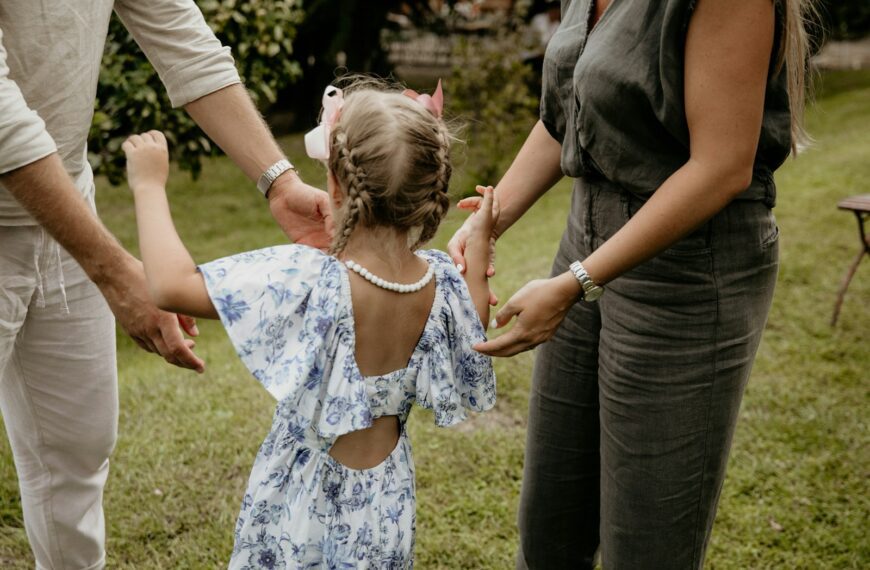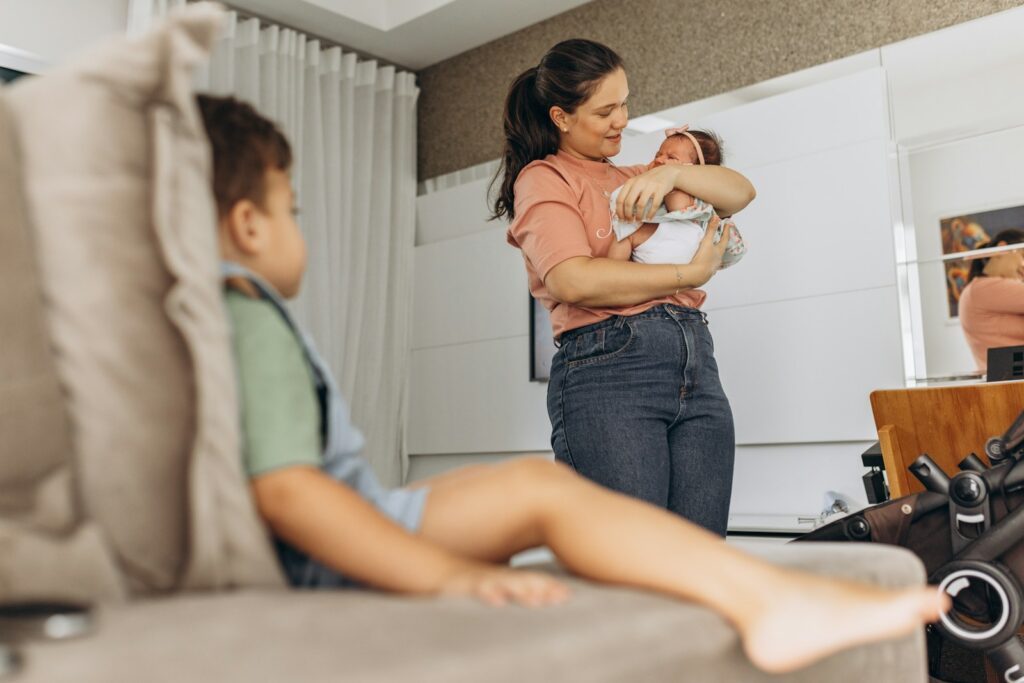
Parents are discovering that the fastest way to ignite an online pile‑on is not over screen time or sugar, but over who gets to show up at a child’s birthday. One mother who told guests not to bring extra kids found herself dragged as “heartless,” even though she was trying to protect a prepaid headcount and a manageable party. Her story taps into a wider clash between families who see invitations as firm boundaries and those who treat them as flexible guidelines in a world where childcare is scarce.
Behind the drama is a simple tension: children’s parties are supposed to be joyful, but they are also logistically and financially fragile. When uninvited siblings arrive, hosts can be pushed over budget, venues can be overwhelmed, and the birthday child can end up sidelined. The backlash against parents who say “no extras” reveals how uncomfortable many adults still are with setting limits, even when those limits are clearly spelled out.
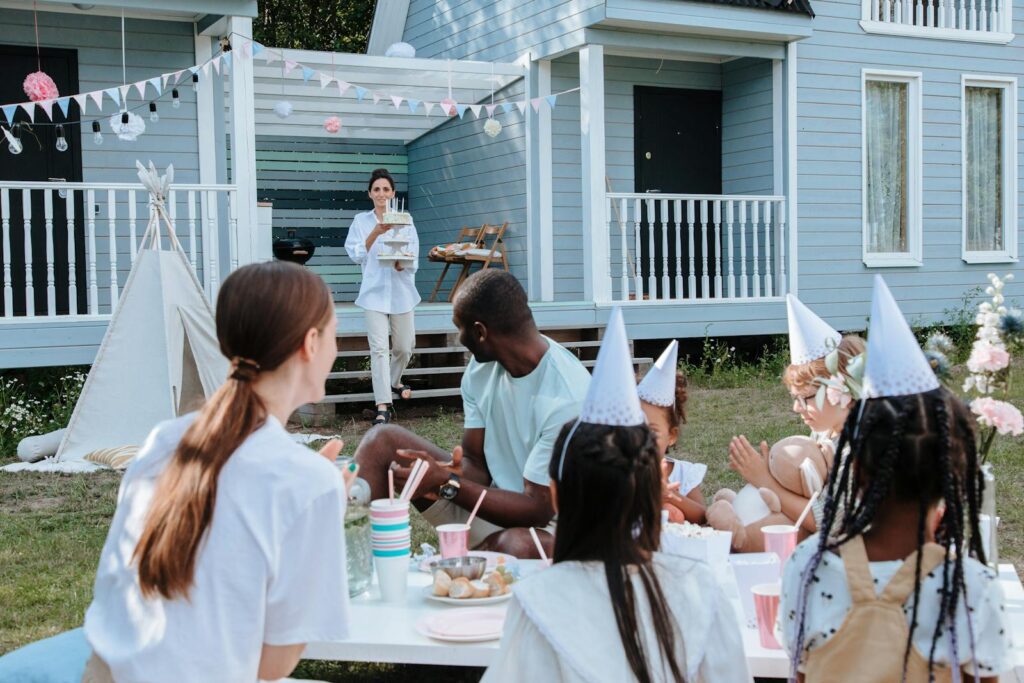
The new battleground: siblings, budgets and “whole family” culture
For many hosts, the issue starts with money and space. One parent planning an “expensive birthday activity” described how a single extra child could throw off a carefully calculated budget that already stretched from “less than $50 to over $500” per party, a range highlighted in a survey. Another host who prepaid for a crafting party explained that the venue charged per child and provided individual kits, so any extra kids would be unpaid for and kit‑less, a scenario that led her to turn away an uninvited guest at the door and insist the event was “not a daycare,” as described in a detailed account. Hosts in online forums echo that sentiment, saying they are not being stingy, they are simply trying to honor what they have already paid for.
On the other side are parents who see birthday invitations as a rare chance for their children to socialize, and who feel that leaving a sibling at home is either impossible or unfair. One viral creator, Jeena Wilder, openly says she brings her “whole family” to parties because her husband works a lot and she is usually solo with the kids, explaining that she always tries to RSVP or ask first. Her stance, amplified on TikTok and Twitter, helped fuel a wave of commentary in which one Twitter post was heavily ratioed as people argued over whether any parent should be expected to juggle childcare just to honor a one‑child invite.
The cultural split is stark enough that one report described how Viewers Split After her Whole Family Attends Birthday Parties, with the piece noting that it was Published in December and drew intense engagement, including “58” separate comments and reactions cited in the coverage. That same online energy shows up in parenting forums, where one thread on whether siblings should attend when they are not invited runs to dozens of conflicting opinions, from “never” to “always, if you ask.”
When “no extra kids” becomes a character test
What turns a simple boundary into a character judgment is often the language on the invitation. One mother who wrote that guests should bring extra presents for siblings, in addition to a gift for the birthday child, sparked a wave of criticism, with one analysis bluntly stating that Why This Shocking was that Guests already do a lot just by showing up. Another debate erupted when a mother insisted both of a friend’s daughters be invited to her child’s party, prompting the host to call ahead and clarify that the invitation was only for one girl, Brittany, not her sister Britany, a distinction that later fueled accusations of being “heartless” when the story was recounted Before the invitations went out. In both cases, the conflict was less about logistics and more about perceived empathy.
Hosts who try to avoid that backlash are increasingly explicit. Some parents now spell out “no siblings” on invitations, often with a gentle explanation that space is limited or that the event is a drop‑off party. One etiquette guide suggests wording like “We have a large guest list and limited space, so this celebration will be for invited children only,” advice echoed in How to Add a brief explanation. A companion guide reinforces that same approach, advising parents to emphasize capacity limits and the birthday child’s wish to keep the group small, guidance captured in another set of tips on How to Add that crucial line.
Parents swapping scripts online are trying to walk the same tightrope. In one discussion, a user named Jun noted that “Others who think a sibling shouldn’t be left out may not send their child, but they are rare,” while offering sample wording for how to politely request no extra kids, a conversation preserved in a thread. In yet another debate, a commentator described a situation as “Disgusting” after a Kid was uninvited when a parent tried to add extra children to the guest list.
More from Decluttering Mom: