You had one drink, maybe two. Then the night disappears. You wake up in a back room, a hallway, a stranger’s car, with no memory of how you got there, your body heavy, your thoughts scrambled. The first question is almost always the same: was my drink spiked?
It is a reasonable question, and one that more people are asking. A 2024 survey by the American Addiction Centers found that roughly 56 percent of respondents knew someone whose drink had been tampered with, and nearly one in four said it had happened to them personally. Despite those numbers, drink spiking remains difficult to prove, easy to dismiss, and poorly understood by the people most likely to encounter it: bar staff, friends, and the victims themselves.
This guide covers what drink spiking actually involves, how the drugs used affect memory and awareness, how to tell the difference between heavy drinking and a possible drugging, and what to do next, whether that means getting to an emergency room, filing a police report, or simply finding someone safe to call.
What drink spiking is and why bars are part of the problem
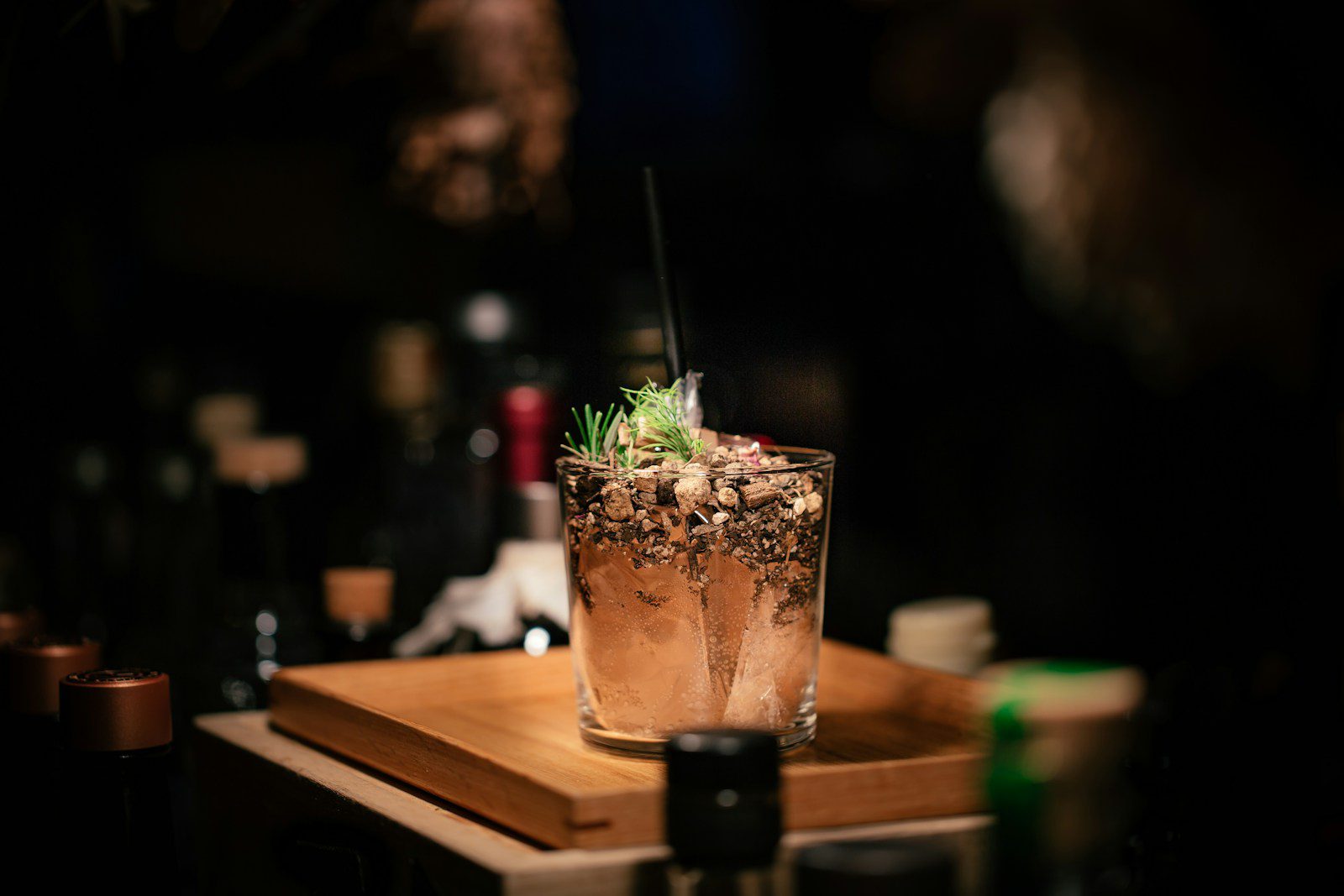
Drink spiking means adding alcohol or another substance to someone’s drink without their knowledge or consent, typically to make them vulnerable to sexual assault, robbery, or both. According to the UK alcohol education charity Drinkaware, perpetrators may pour extra spirits into a mixed drink, dissolve a sedative into a glass, or combine both tactics so the victim simply looks “too drunk” rather than drugged.
Bars and nightclubs are not passive settings in these incidents. In the United States, licensed establishments can face civil liability under dram shop laws if they over-serve a visibly intoxicated patron or fail to intervene when a customer appears incapacitated. While specific statutes vary by state, the underlying principle is consistent: venues that profit from alcohol sales share responsibility for the safety of the people inside them. Staff who wave off a glassy-eyed patron as “just wasted” instead of checking whether that person needs help may be enabling exactly the kind of harm drink spiking is designed to cause.
How spiking drugs erase memory
The reason someone can appear awake, walk, even hold a conversation, and later remember none of it comes down to how certain drugs interact with the brain. The substances most commonly associated with drink spiking include flunitrazepam (Rohypnol), gamma-hydroxybutyrate (GHB), and ketamine. All three can cause anterograde amnesia, a condition in which the brain stops forming new memories even while the person remains conscious.
The Cleveland Clinic describes a cluster of symptoms that often accompany drug-facilitated assault: sudden extreme drowsiness, dizziness, confusion, loss of muscle control, and slurred speech that feel wildly out of proportion to the amount of alcohol consumed. Breathing may slow. Consciousness may drop away entirely. When the person wakes up hours later, the gap in their memory can stretch from a few minutes to an entire night.
Timing matters for detection. GHB can leave the bloodstream in as little as four to eight hours, and standard urine screens may miss it after 12 hours, according to the U.S. Drug Enforcement Administration. Rohypnol is detectable in urine for up to 72 hours with specialized testing. That narrow window is one reason medical professionals urge anyone who suspects spiking to get to an emergency room quickly, before the evidence disappears.
Sorting a bad night from a possible drugging
Alcohol alone can cause blackouts, particularly when someone drinks on an empty stomach, consumes shots in rapid succession, or has a naturally lower tolerance. Research published in the Journal of Studies on Alcohol and Drugs has shown that alcohol-facilitated sexual assault is actually more common than assaults involving illicit spiking drugs, in part because alcohol is legal, cheap, and socially expected in nightlife settings. That finding does not minimize the danger of spiking; it means that a frightening memory gap after drinking does not automatically confirm a drugging, but it does not rule one out either.
Certain patterns should raise concern. GoodRx’s clinical review of Rohypnol symptoms highlights mental fogginess, sudden loss of muscle control, nausea, vomiting, and abnormally slow breathing as warning signs, especially when they appear after only one or two drinks or after a drink was left unattended. Waking up in an unfamiliar location, finding clothing disturbed, or discovering unexplained injuries are all reasons to seek medical evaluation rather than chalking the night up to poor judgment.
What to do right now if you suspect you were drugged
If you wake up disoriented in a bar, a back room, or anywhere you do not recognize, the priority is physical safety, then medical evidence, then everything else.
Get somewhere visible and safe. Move to a well-lit, public area. Find a trusted friend, a bartender you recognize, or another staff member and ask them to stay with you. Do not leave with anyone you do not know well. Do not accept food, drinks, or medication from bystanders, even if the offer sounds helpful.
Call for medical help. The Cleveland Clinic is direct: call 911 or get to an emergency department as soon as possible. Tell the triage nurse you suspect your drink was spiked and ask for a urine drug screen and blood draw. Hospitals can test for GHB, benzodiazepines, ketamine, and other substances, but only if the samples are collected before the drugs clear your system. If you feel too unwell to travel, ask bar staff to call an ambulance rather than putting you in a rideshare with a stranger.
Preserve what you can. If you still have the glass you were drinking from, do not wash it; ask staff to set it aside. Save any text messages, location history, or photos from the night. If your clothing is torn or stained, place it in a paper bag (not plastic, which can degrade biological evidence). These steps are not about building a legal case on the spot. They are about keeping options open for later.
Legal rights, reporting, and longer-term support
Drink spiking is a criminal offense in every U.S. state, whether it is charged under statutes covering assault, administering a noxious substance, or drug-facilitated sexual assault. According to legal guidance from Mase Law, victims are entitled to seek medical attention, preserve evidence, and decide in their own time whether to file a police report or pursue a civil claim against the perpetrator or the venue. There is no obligation to decide immediately, and a delayed report does not invalidate what happened.
If you are unsure about contacting police, or if you need someone to talk through what happened before making any decisions, the Rape, Abuse & Incest National Network (RAINN) operates the National Sexual Assault Hotline at 800-656-HOPE (4673), available 24 hours a day. RAINN also offers a confidential online chat through its website. Trained staff can help you understand your options, connect you with a local advocacy organization, and, if you want, accompany you to a medical exam or police interview.
Recovery from a suspected drugging is not always linear. Some people feel fine physically within a day but struggle with anxiety, sleep disruption, or a persistent sense of violation for weeks afterward. Others may not process the event until much later. Both responses are normal. Organizations like RAINN and local rape crisis centers offer ongoing counseling, and many operate on a sliding-scale or no-cost basis.
The most important thing to understand is this: a gap in your memory is not your fault. Whether your drink was spiked with a drug or you were deliberately over-served by someone who saw an opportunity, the responsibility belongs to the person who chose to exploit your vulnerability, not to you for being in a bar on a Friday night.
More from Decluttering Mom: