Gold jewelry that has been sitting in a drawer for years is suddenly worth real money, and not just in a vague “someday” way. With prices near record territory and buyers competing hard for inventory, people who are ready to part with old chains, rings, and broken pieces have a rare window to turn clutter into serious cash. The key is treating the sale like a smart financial move instead of a rushed pawn shop drop-off.
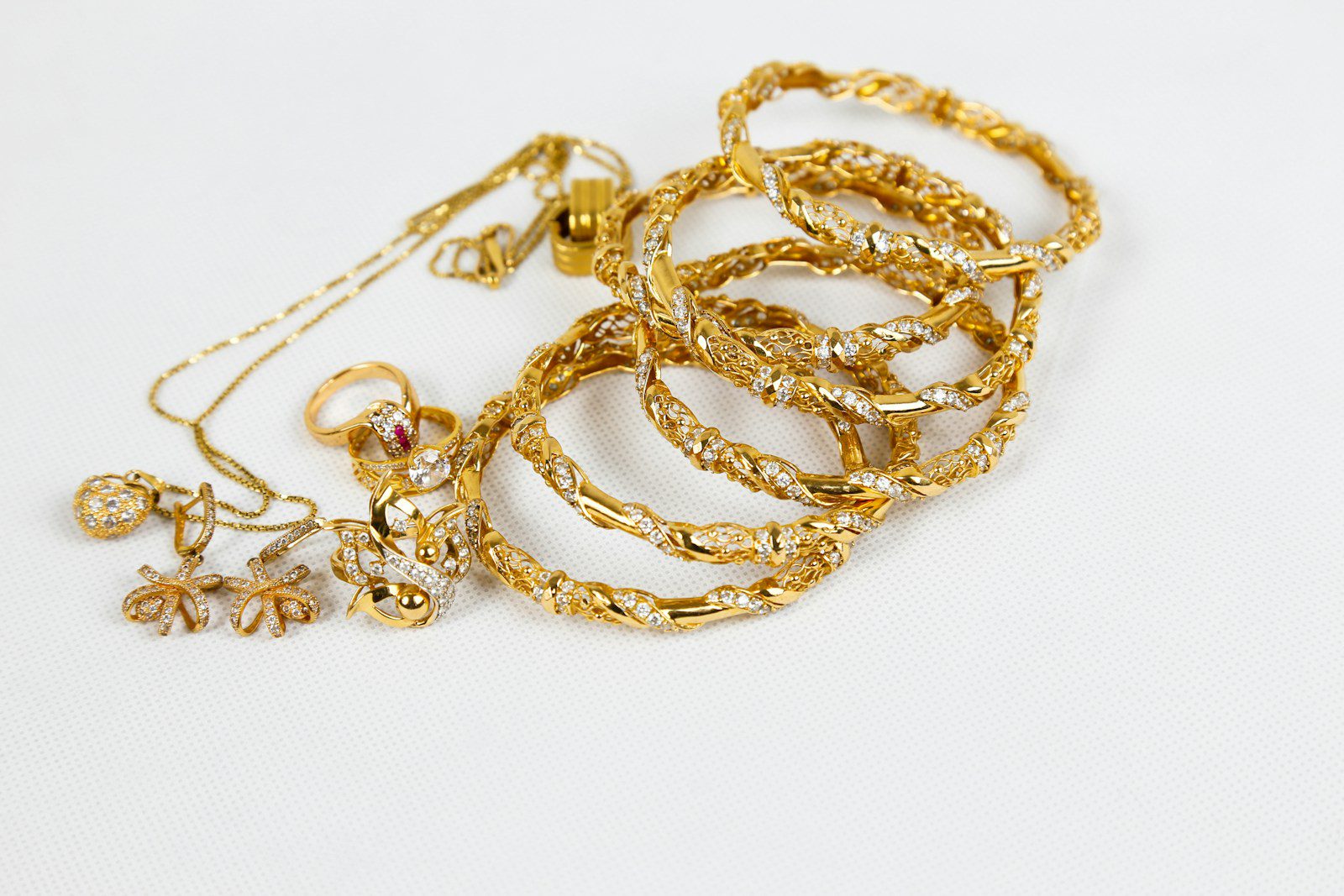
Handled correctly, selling gold can feel less like a fire sale and more like a small, satisfying windfall. That means understanding what the market is doing, knowing exactly what is in your jewelry box, and choosing buyers who pay for the metal’s true value instead of banking on your confusion.
Why the Gold Market Is So Hot Right Now
The starting point is simple: gold is expensive, and that is great news for anyone thinking about selling jewelry. Live charts show the Gold Spot Price hovering in the low four-thousand-dollar range per troy ounce, a level that turns even small amounts of scrap into meaningful payouts. When the underlying commodity is priced this high, buyers have far less room to lowball without being obvious about it.
Retail-focused pricing data backs that up, with the listed Gold Price In USA showing 1 troy ounce of gold at 4197.30, a figure that sets the baseline for what your jewelry is worth before anyone takes a margin. Industry guides are blunt about what that means for consumers: 2025 is one of the strongest environments in years for people who want to cash out of old pieces, and sellers who understand that leverage are in a position to negotiate instead of just accepting the first offer that comes along.
Decoding What Your Jewelry Is Actually Worth
Before walking into any buyer’s office, a smart seller knows what they are holding. That starts with karat stamps, which tell you how much of the piece is pure gold and how much is alloy. A 10K ring has less gold content than a 14K chain, and a 24K coin is essentially pure metal, so two items that look similar can have very different melt values. Sorting jewelry by karat, separating anything that is clearly costume, and weighing pieces on a small digital scale gives a rough sense of how much gold is in the pile.
From there, the math is straightforward: weight in grams, converted to troy ounces, multiplied by the current Gold Price gives a ballpark for the raw metal value. No buyer will pay that full number, since they need to cover refining and overhead, but it is the benchmark that keeps offers honest. Sellers who walk in knowing that a handful of broken chains might represent several hundred dollars at today’s levels are far less likely to accept a quick twenty-dollar cash offer for “scrap.”
Picking the Right Place to Sell (and Avoiding the Wrong Ones)
Once the numbers are clear, the next decision is where to sell, and this is where the spread between a good and bad choice can easily reach hundreds of dollars. Detailed consumer guides point out that the best returns usually come from reputable jewelry buyers, local gold specialists, and established online platforms that compete on transparent pricing. One widely cited Complete Guide to Getting Top Dollar in 2025 notes that professional buyers who focus on precious metals tend to pay closer to melt value than generic pawn shops or mail-in outfits that rely on convenience and urgency.
Within that universe, it pays to be picky. A breakdown of options explains that the best places to sell gold in 2025 are reputable jewelry stores, trusted online gold buyers, and local gold exchanges that post clear rates and explain their testing process, ensuring a secure, profitable transaction. That kind of setup is very different from a strip-mall buyer that refuses to quote a price per gram, pressures you to decide on the spot, or insists on taking your jewelry into a back room. A seller who gets written quotes from at least two or three of the stronger categories usually ends up with a much better deal than someone who stops at the first neon “WE BUY GOLD” sign.
Timing Your Sale So You Don’t Leave Money on the Table
Even in a strong market, timing still matters. Gold trades like any other commodity, which means the Gold Spot Prices move throughout the day and week, sometimes by enough to change what a buyer is willing to pay. Watching the live Gold Price and its Change for a few days gives a sense of whether the market is trending up, drifting sideways, or pulling back from a recent high. If prices are spiking, it can be worth locking in an offer quickly; if they are dipping after a big run, waiting for a small rebound might make sense.
That said, the bigger picture in 2025 is that the overall level is already very favorable to sellers. One detailed explainer on why now is a strong moment for owners of old jewelry ends with clear Final Thoughts that answer the question “Is Now the Right Time” to Sell with a simple “Yes,” pointing out that this year offers one of the best gold markets in years. In practice, that means obsessing over every tiny tick in the chart is less important than making sure you sell into this elevated range rather than waiting for some hypothetical perfect peak that may never arrive.
Negotiating Like a Pro When You’re Ready to Sell
Once a seller has picked a buyer and a general timing window, the last piece is the actual negotiation. The strongest position comes from walking in with a clear idea of the melt value, a sense of current Gold Price Per Ounce, and a willingness to walk away. Asking the buyer to weigh the jewelry in plain view, confirm the karat for each group of items, and quote a price per gram keeps the conversation grounded in numbers instead of vague promises about “top dollar.” If the offer feels light compared with the math, saying so and asking whether there is room to improve the rate often leads to a better number on the spot.
It also helps to separate pieces that might have value beyond their gold content, such as branded designer items or antique rings, and ask for those to be evaluated differently. A buyer who only wants to pay scrap rates for a signed piece that could sell for more on the secondary market is signaling that they are not the right fit for that item. In a year when guides like Oct’s Best Place to Sell Gold analysis emphasize competition among buyers, there is little reason to accept a take-it-or-leave-it offer that ignores both the metal value and the strength of the broader market.
More from Decluttering Mom: