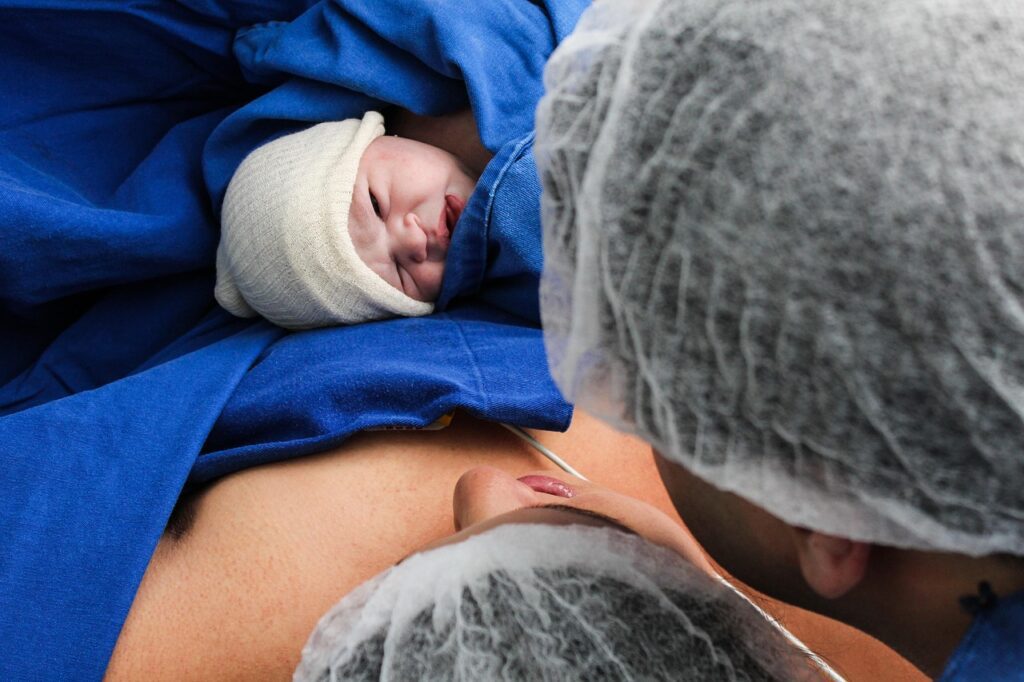
When her third child arrived in early 2026, a New York City mother of newborn twins and a new baby expected the state’s paid family leave program to keep the lights on while she recovered. She had filed her paperwork on time. She had called her employer’s insurance carrier. And then she waited — through one missed payment cycle, then another, refreshing her bank app between diaper changes and 2 a.m. feedings, watching her checking account slide toward zero.
Her experience, shared in a Facebook support group for New York parents, drew dozens of replies from mothers describing the same spiral: approved leave, missing checks, and a bureaucratic maze that feels impossible to navigate while caring for a newborn. “I’m beyond stressed,” she wrote, a phrase that barely captures the reality of choosing between formula and a utility bill while a state benefit sits in processing limbo.

What New York’s paid family leave promises — and where it falls short
New York’s Paid Family Leave program is among the most generous in the country on paper. Eligible workers can take up to 12 weeks of job-protected leave to bond with a new child, receiving 67 percent of their average weekly wage up to a state-set cap — $1,177.32 per week as of 2025, funded through small payroll deductions. The state advises applicants to give employers at least 30 days’ notice and to file claims through the insurance carrier that administers their employer’s policy, according to the program’s official application guidance.
But 67 percent of a modest wage, capped and taxed, already leaves many families short. When that reduced check is also delayed by weeks of processing, the math collapses fast. Rent in New York City averaged $3,685 for a one-bedroom apartment as of late 2025, according to Zillow data. A parent earning $60,000 a year would receive roughly $770 per week before taxes through PFL — less than half of that monthly rent. Any gap in payment turns a tight budget into a crisis.
The state runs a helpline at (844) 337-6303 for workers with claim questions, and its complaints process directs workers to contact their employer’s insurance carrier for written explanations of any denial or delay. For a sleep-deprived parent on hold for the third time in a week, those steps can feel less like a safety net and more like a second job.
For parents of multiples, delays hit harder
The financial pressure intensifies for families with more than one infant at home. In a Reddit thread for parents of multiples, one commenter put it bluntly: “Newborn twins IS the full time job.” Others warned that trying to pick up freelance work or side gigs while caring for two infants on staggered feeding schedules is not just difficult but potentially dangerous for a parent’s mental health.
That reality makes the standard advice — call your insurer, escalate to your employer’s HR department, file a formal complaint — feel almost absurd. Every hour spent navigating a claims dispute is an hour not spent sleeping, healing from childbirth, or keeping two (or three) small children alive. The system assumes a level of administrative bandwidth that new parents of multiples simply do not have.
Where to get help when a claim stalls
Parents dealing with delayed or denied paid family leave claims in New York have several concrete options, though none of them are fast enough when rent is due tomorrow.
State channels: Start with the PFL helpline at (844) 337-6303, available Monday through Friday. If the insurance carrier is unresponsive, file a formal complaint through the state’s request-handling process. Document every call — date, time, representative name, and what you were told. Written records strengthen any escalation.
Free legal help: A Better Balance, a national worker advocacy organization, offers free and confidential legal information to New York workers through its Family Leave Works program. Staff can help parents understand their rights, push back on improper denials, and in some cases connect them with legal representation — a critical resource for anyone who cannot afford an attorney while on unpaid or underpaid leave.
Elected officials: Multiple parents in online support groups report that contacting their state assembly member or senator’s constituent services office helped move stalled claims. Legislators’ offices can make direct inquiries to state agencies on a constituent’s behalf, sometimes breaking logjams that phone calls to a helpline cannot.
Emergency resources when the money is not there yet
For families who need cash or supplies before a claim is resolved, New York offers several stopgap programs, though eligibility requirements are strict and approval is not instant.
Cash Assistance: New York City’s Human Resources Administration runs a Cash Assistance program for families with minor children and very low income. Applicants must submit documentation of income, assets, and household size; once approved, HRA can also connect families with child care subsidies and other support services. At the state level, a parallel Cash Assistance Program serves eligible families outside the city.
Baby supplies and essentials: Community resource platforms like FindHelp.org aggregate local nonprofits and charities that provide diapers, formula, clothing, and gear at no cost. Dialing 211 connects callers to a trained specialist who can identify programs in their specific neighborhood, from food pantries to diaper banks.
Medical bills: New parents often face hospital bills alongside their leave paperwork. Financial counselors and consumer attorneys consistently advise calling the hospital billing department before a balance goes to collections. Many hospitals maintain financial assistance or charity care programs that can reduce bills significantly or set up interest-free payment plans, though patients typically must apply and provide proof of income. One attorney on Justia’s legal Q&A forum advised a patient facing a $60,000 balance to contact billing immediately and ask about hardship options before the debt is sold to a collector.
Utilities and rent: Most New York utility companies are required to offer deferred payment agreements to customers facing financial hardship, and many landlords will negotiate temporary arrangements rather than begin costly eviction proceedings. Calling 211 is often the fastest way to identify which programs are accepting applications in a given week.
The gap between policy and paycheck
New York’s paid family leave law was designed to prevent exactly the kind of crisis that parents describe in online forums every week. The policy exists. The funding mechanism works. But the administrative layer between a worker’s approved claim and their bank account remains fragile enough that a processing delay of even two or three weeks can push a family into debt, hunger, or housing instability.
For the mother in that Facebook group — up at 3 a.m. with a newborn, her twins asleep in the next room, her phone open to a bank balance that should have been replenished days ago — the promise of paid family leave is not a policy triumph. It is an IOU. And until the check clears, she is on her own.
More from Decluttering Mom: