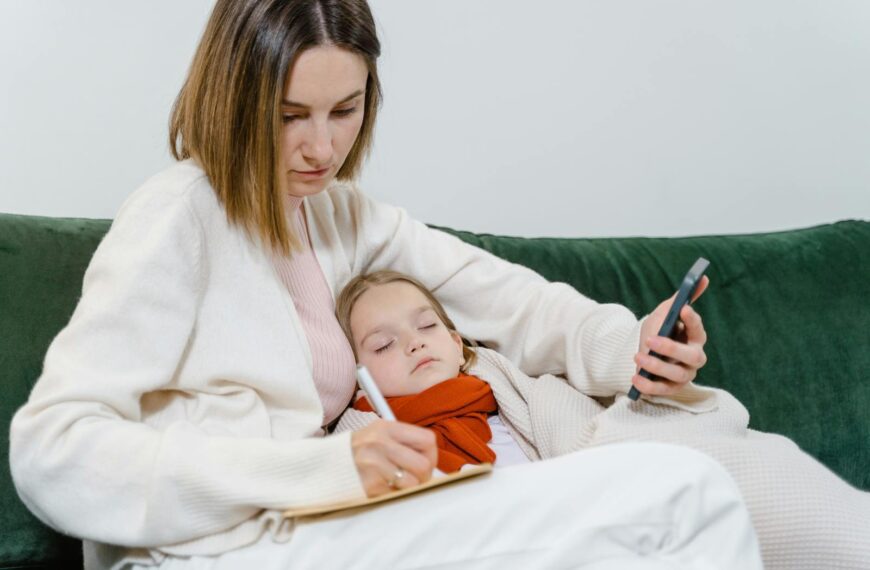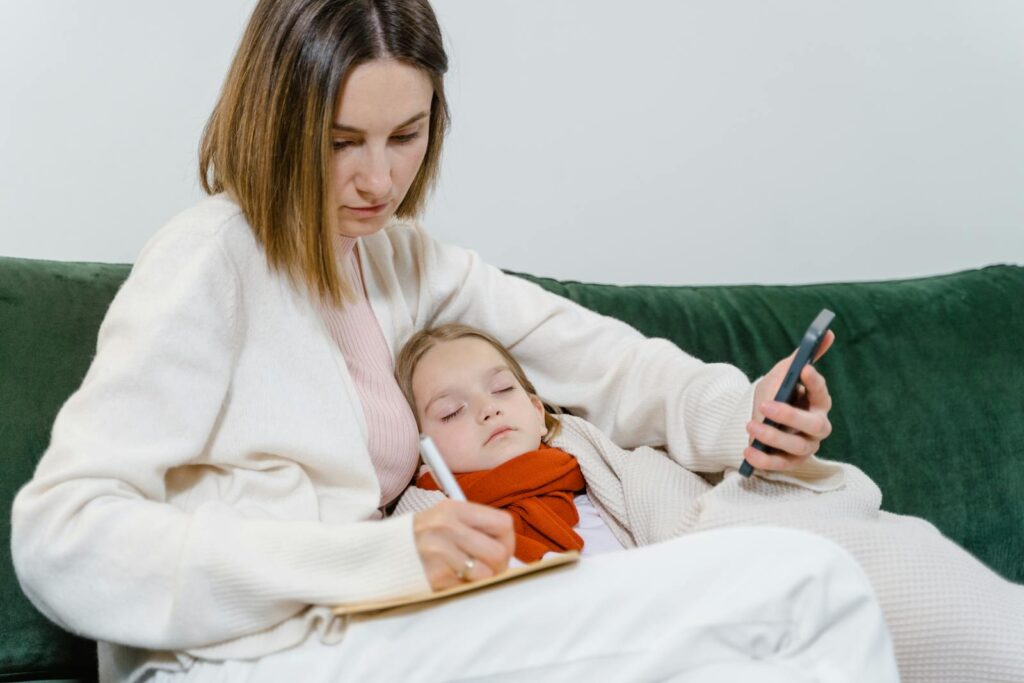
For many second-time parents, the positive test does not land like a movie moment. It appears in the middle of a sink full of dishes, a toddler tantrum, and a brain already stretched thin, and can feel less like a blessing and more like the start of a free fall. The fear is not abstract either; it is the nagging sense that if life already feels unmanageable with one child, adding another might blow up whatever fragile balance exists. That tension between love, dread, and sheer exhaustion is exactly where many expectant parents of baby number two are living right now.
From the outside, it is easy to assume that a second pregnancy feels calmer because the parent has done this before. Inside the house, though, the story is often messier: guilt about the first child, worry about bonding with the second, and a body that is more tired than last time. The question is not whether they love their kids; it is whether they can keep mothering at all without losing themselves.

When Joy, Guilt, and Ambivalence Collide
Emotionally, second-time parents are often carrying a crowded mix of feelings that do not fit the glowing bump photos. Many describe a heavy wave of guilt about the first child, especially when they imagine handing that toddler over to grandparents while they are in labor or picture attention being split in the months after. Parenting writers have described this as second-time mother guilt, a specific strain of worry that the older child is being pushed aside just as they were settling into their role as the center of the family. That guilt can sit right next to a quieter fear that they might not love the new baby as fiercely, a concern echoed in online communities where a postpartum doula calmly reassures anxious parents that, as one post put it, “Your heart expands in a new way that you can’t always picture in advance,” and that this fear is common among those expecting baby number two.
Layered on top of guilt is something experts call pregnancy ambivalence, a sense of being pulled between excitement and dread that is especially visible in second pregnancies. Writers who explore pregnancy ambivalence point out that it is normal to feel both thrilled and deeply unsure at the same time, especially when a parent already knows how hard the newborn stage can be. Community threads where posters admit to “real dread about having a second child” often get flooded with replies saying the same thing: they want this baby, they are just terrified of the unknowns. That mix does not mean the parent is ungrateful or broken; it means they are already parenting two children in their mind while still trying to function in their current life.
Exhaustion, Burnout, and the Myth of the Supermom
On the physical side, pregnancy with a toddler is its own endurance sport. The body is growing a human while also lifting a 30‑pound preschooler into a car seat and negotiating bedtime. Parents who remember being able to nap during their first pregnancy are stunned to find themselves scrolling through forums asking how anyone survives this level of fatigue. Guides on how to survive with a toddler talk about practical tricks like implementing quiet time, leaning on simple meals, and lowering the bar on housework, but they also validate a basic truth: this level of tired is not a personal failure, it is a predictable outcome of doing two full‑time jobs in one body.
Emotional burnout rides close behind. Parenting experts have described something called depleted mother syndrome, where constant caregiving, lack of rest, and cultural pressure to be “supermom” leave parents feeling empty, resentful, or numb. Health organizations frame mom burnout as a real health risk, not a personality flaw, and urge parents to Know When to step back and Get Help. That might mean asking a partner to take over bedtime, saying no to extra commitments, or calling a therapist. Online, one exhausted parent of a toddler and a pregnancy describes some days as “tough” in a way that feels bone‑deep, and other posters respond not with judgment but with tips about checking iron levels, scheduling rest, and reminding each other that this is a season, not a permanent state.
When Fear Tips Into Mental Health Concerns
There is a line where normal worry about coping with two kids starts to blur into something heavier, and medical groups are clear that depression and anxiety around pregnancy and postpartum are common and treatable. Obstetric experts emphasize that perinatal mood and anxiety disorders are real medical conditions and that treatment “starts with a conversation.” They urge patients to Talk openly with their ob‑gyn or primary care clinician about intrusive thoughts, loss of joy, or constant dread, instead of assuming that white‑knuckling through is the only option. They also stress that these conditions are “very treatable,” with options that can include therapy, medication, support groups, or a combination tailored to the parent’s needs.
More from Decluttering Mom: