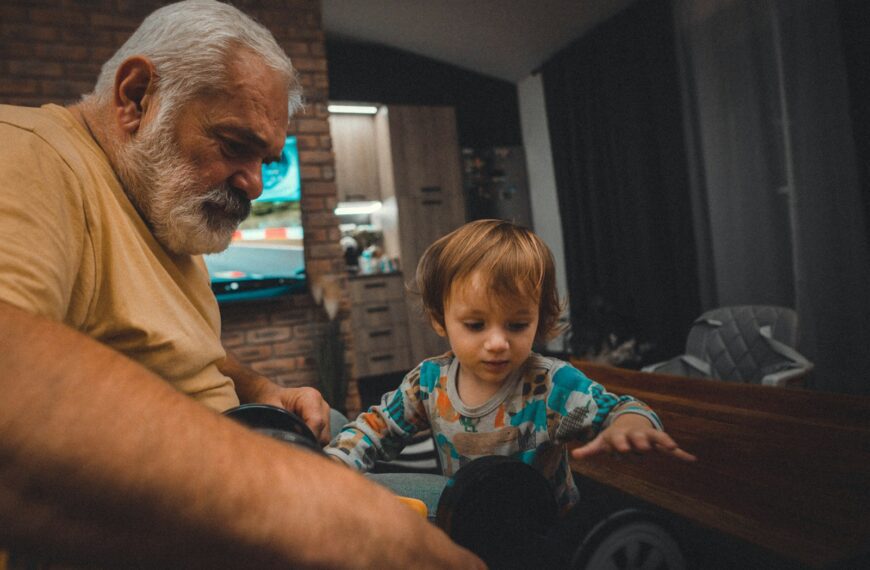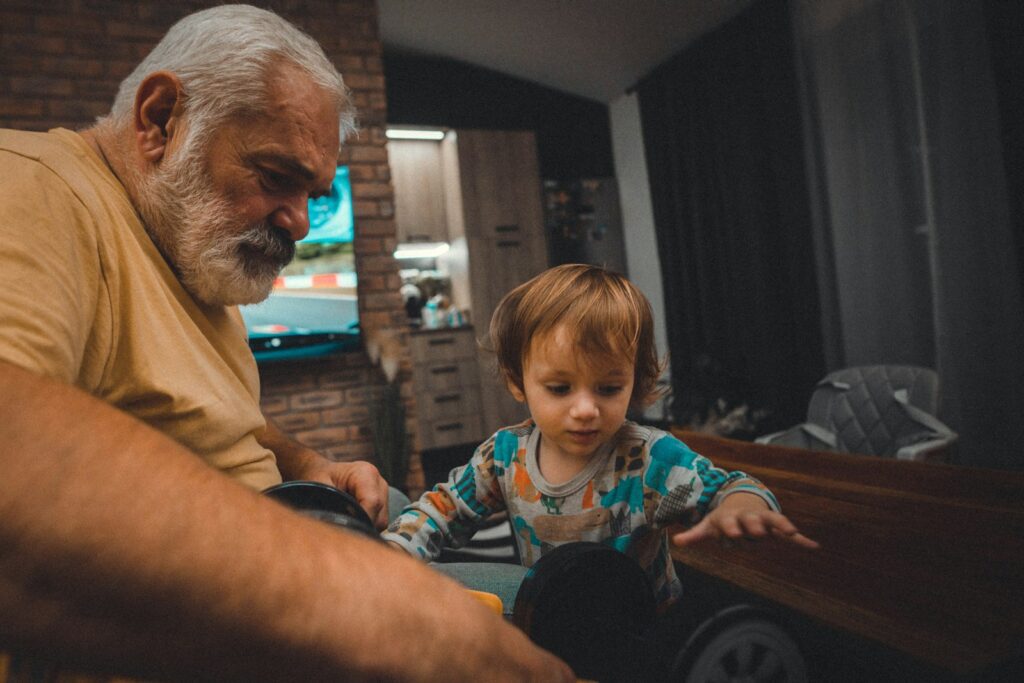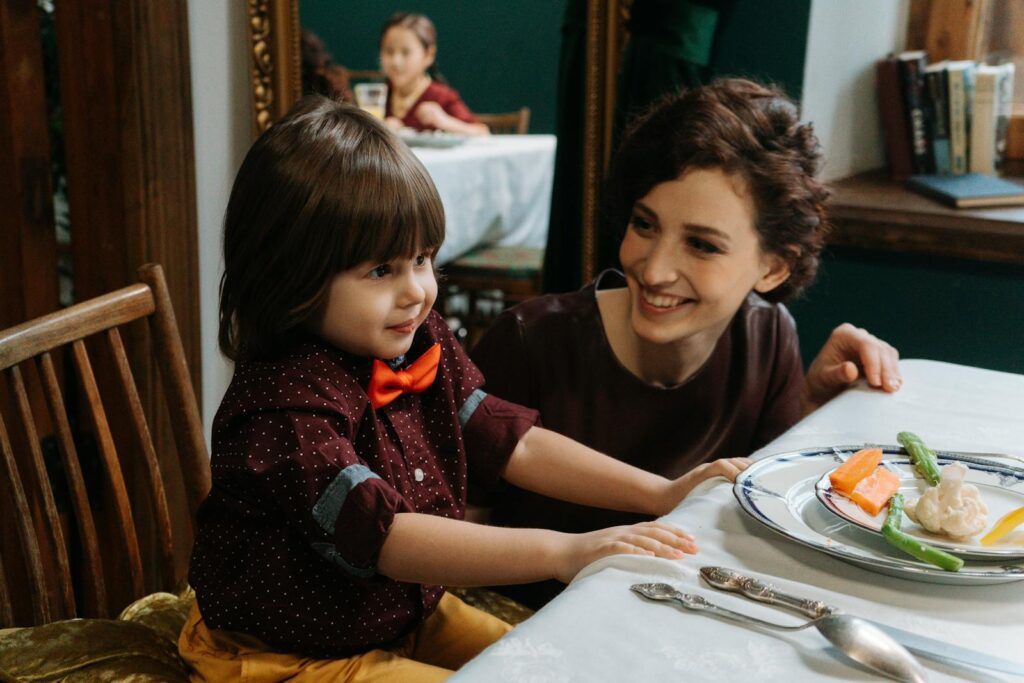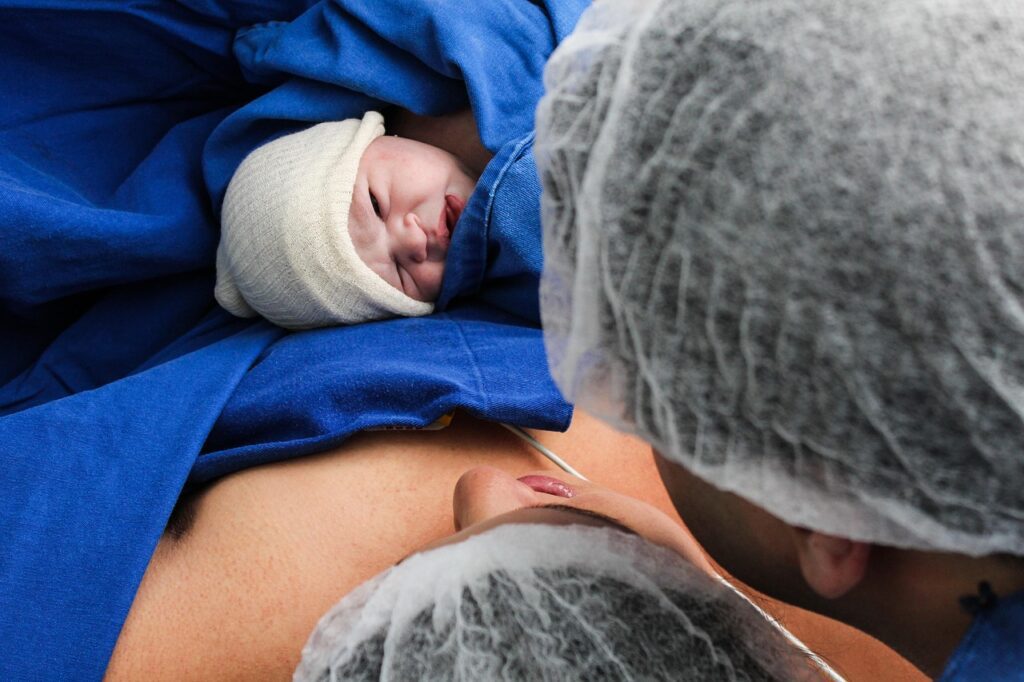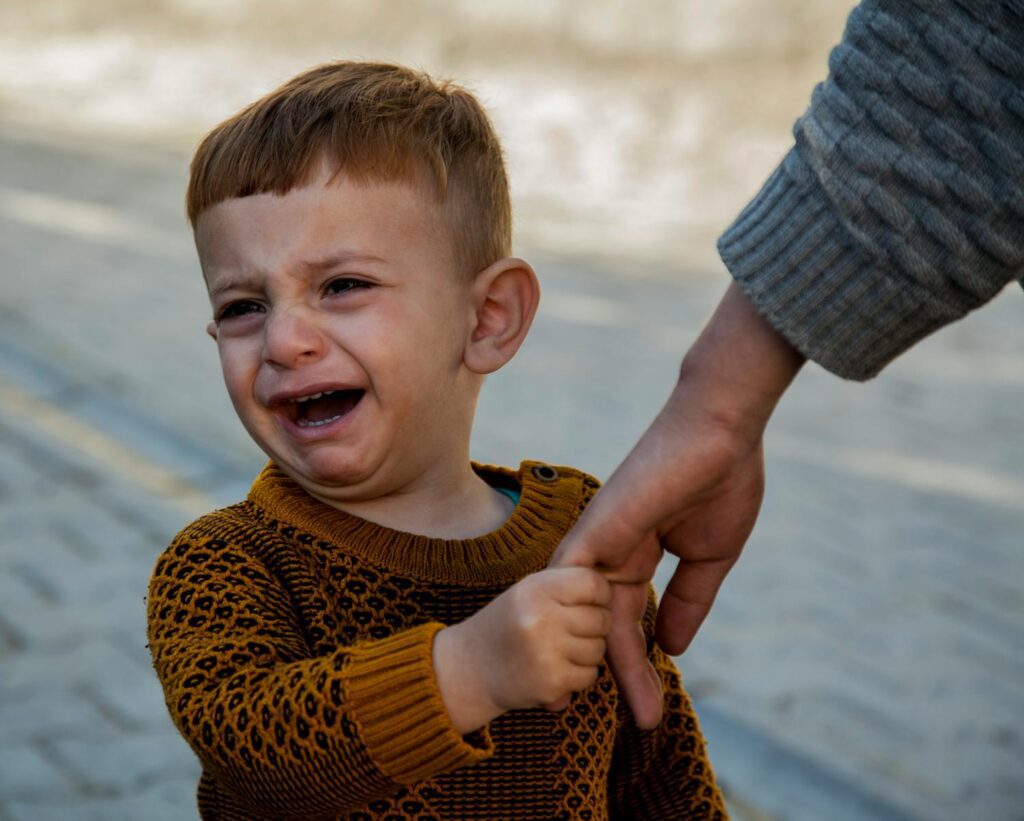
You are lying on the couch with a 102-degree fever, 26 weeks pregnant, watching your two-year-old methodically dump Cheerios onto the carpet. The house smells like cough drops. Dinner is not happening. And somewhere between the body aches and the guilt, a voice in your head insists you are failing everyone in this house, including the baby you have not met yet.
That voice is wrong. Flu during pregnancy is a medical event, not a parenting report card. And as of March 2026, guidance from the CDC, the American College of Obstetricians and Gynecologists (ACOG), and maternal mental health researchers all point to the same conclusion: scaling back, accepting help, and resting aggressively are not signs of neglect. They are the treatment plan.

Why flu hits harder during pregnancy
Pregnancy reshapes the immune system. Changes in heart rate, lung capacity, and immune function make pregnant people more vulnerable to severe influenza complications, including pneumonia and hospitalization. That is why the CDC classifies pregnancy as a high-risk condition for flu and recommends that pregnant individuals who develop symptoms contact their provider promptly.
Early treatment matters. Antiviral medications like oseltamivir (Tamiflu) are considered safe during all trimesters of pregnancy, according to both the CDC and ACOG, and work best when started within 48 hours of symptom onset. Providers will also recommend acetaminophen (Tylenol) for fever management, because prolonged high fever in the first trimester has been associated with an increased risk of neural tube defects. In the second and third trimesters, fever control still matters for maternal comfort and fetal well-being.
When to seek urgent care: Difficulty breathing, persistent chest pain, confusion, severe vomiting that prevents keeping fluids down, or a noticeable decrease in fetal movement all warrant an immediate call to your OB or a trip to the emergency room. Flu can escalate quickly during pregnancy, and providers would rather hear from you too early than too late.
Survival mode is a strategy, not a surrender
Parenting educators have a name for what happens when a caregiver gets seriously ill: survival mode. The goal shifts from enrichment to three basics — fed, safe, and loved. Everything else is optional.
In practice, that means paper plates, peanut butter sandwiches, and a living room that looks like a toy store exploded. It means skipping bath night. It means the toddler eats crackers for lunch and nobody dies. A Parents.com guide to parenting while sick frames this as deliberate triage: you are not lowering your standards because you do not care. You are lowering them because you are rationing a limited resource — your body — across two dependents and yourself.
This reframe is important. A day without crafts, vegetables, or fresh air is not a day your toddler will remember. It is a day you survived while growing a human and fighting a virus simultaneously.
Practical ways to parent from the couch
Once you accept that horizontal is your operating position for the next few days, logistics get simpler. Here is what works, according to parents and pediatric occupational therapists who specialize in early childhood:
- Set up a “yes zone.” Childproof one room thoroughly, close the door, and let the toddler roam. Remove anything dangerous or precious. Put out bins of duplos, crayons, play dough, or board books. Lie on the floor or couch inside the zone.
- Use screen time without guilt. The American Academy of Pediatrics recommends limiting screen time for toddlers, but a few days of extra TV during a parental health crisis is not going to derail development. Queue up a playlist of familiar shows in advance so you are not making decisions with a foggy brain. Daniel Tiger, Bluey, and Sesame Street are fine babysitters in an emergency.
- Invite the toddler to “help.” Two-year-olds love tasks. Ask them to bring you a tissue, carry a water bottle, or tuck a blanket around your feet. It keeps them engaged and gives them a sense of purpose instead of confusion about why you are not playing.
- Prep a sick-day snack station. If you have 10 minutes of energy, fill a low shelf or bin with safe finger foods — string cheese, applesauce pouches, dry cereal, banana — so the toddler can graze without you standing up repeatedly.
- Lower hygiene expectations. A washcloth wipe-down counts as a bath. Yesterday’s pajamas count as today’s outfit. Nobody is keeping score.
Call in every favor you have
This is not the week to be self-sufficient. If a partner can take a sick day, ask. If a grandparent, neighbor, or friend offers help, say yes. If you can afford a few hours of emergency babysitting, book it. ParentMap’s guide to sick days for stay-at-home parents puts it bluntly: reinforcements are not a luxury, they are part of the plan.
For parents who are truly alone with no backup, the priority narrows further. Keep the toddler in the same room as you. Use every shortcut listed above. And if you are too sick to safely supervise, that is when you call your OB, your pediatrician, or even a local crisis line to talk through options. There is no shame in saying, “I need help and I do not know where to find it.”
One often-overlooked question: Can you still breastfeed a toddler while you have the flu? Yes. The CDC advises that breast milk passes along protective antibodies, and continuing to nurse (or pump) is generally recommended. Wash your hands before feeding, and consider wearing a mask to reduce droplet transmission.
Reducing transmission to your toddler
You cannot quarantine from a two-year-old who wants to sit on your face, but you can reduce viral spread with a few measures:
- Wash your hands frequently, especially before preparing food or touching the toddler’s face.
- Cough and sneeze into your elbow or a tissue, not your hand.
- Wear a mask when you are in close contact if you can tolerate it.
- Wipe down shared surfaces — doorknobs, light switches, the TV remote — once a day with disinfectant.
- Use separate towels and drinking cups.
If your toddler does develop symptoms, contact their pediatrician. Young children are also at higher risk for flu complications, and early treatment may be recommended.
The guilt is real, but it is not telling you the truth
Parental guilt during illness is almost universal, and it tends to hit pregnant caregivers especially hard. You are already monitoring everything you eat, drink, and do for the sake of the baby. Adding “and I cannot properly care for my toddler” to that mental load can feel crushing.
Psychologist Kristin Neff, whose research at the University of Texas at Austin has shaped the modern understanding of self-compassion, describes three components of the practice: self-kindness instead of self-judgment, recognition of common humanity, and mindfulness rather than over-identification with negative feelings. In the context of a sick, pregnant parent, that might sound like: “This is hard. Other parents go through this too. I am doing what I can, and that is enough for right now.”
Perinatal mental health specialists echo this. A resource on self-compassion during the perinatal year notes that treating yourself with the same kindness you would offer a friend reduces anxiety and supports better coping during pregnancy and postpartum. The logic is straightforward: a parent who rests and recovers is more available to their toddler by Thursday than a parent who pushes through and ends up in the hospital by Wednesday.
Guides on managing caregiver guilt also recommend naming the guilt when it shows up. Some therapists suggest literally saying out loud, “That is guilt talking, not reality.” It sounds simple, but externalizing the voice creates distance from it. You are not a bad parent. You are a sick one. Those are different things.
You are not the only one on this couch
If you search online for “pregnant with flu and toddler guilt,” you will find thousands of parents describing the exact scenario you are living. In one widely shared thread, a commenter tells the original poster: “You are ok. Your baby will be ok.” Others chime in to admit they felt the same guilt when a partner had to pick up extra duties or when their toddler watched four hours of Paw Patrol in a row.
The consistency of these stories is the point. This is not a rare failure. It is a common chapter of parenthood that almost nobody talks about until they are in it. Your toddler will not remember the week you were sick. They will remember that you were there, even if “there” meant lying on the couch with a box of tissues, holding their hand during a cartoon.
Rest. Hydrate. Take the Tamiflu. Let the Cheerios stay on the carpet. You are doing enough.
More from Decluttering Mom: