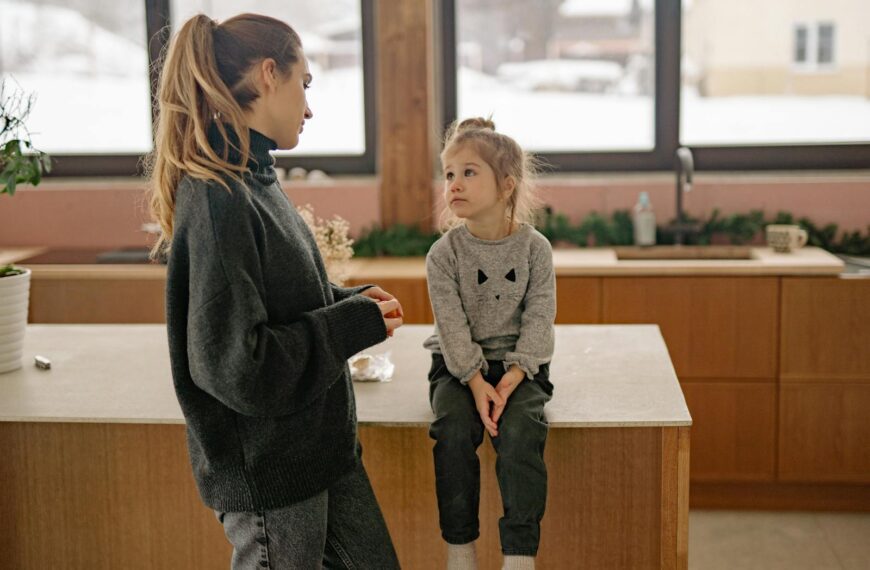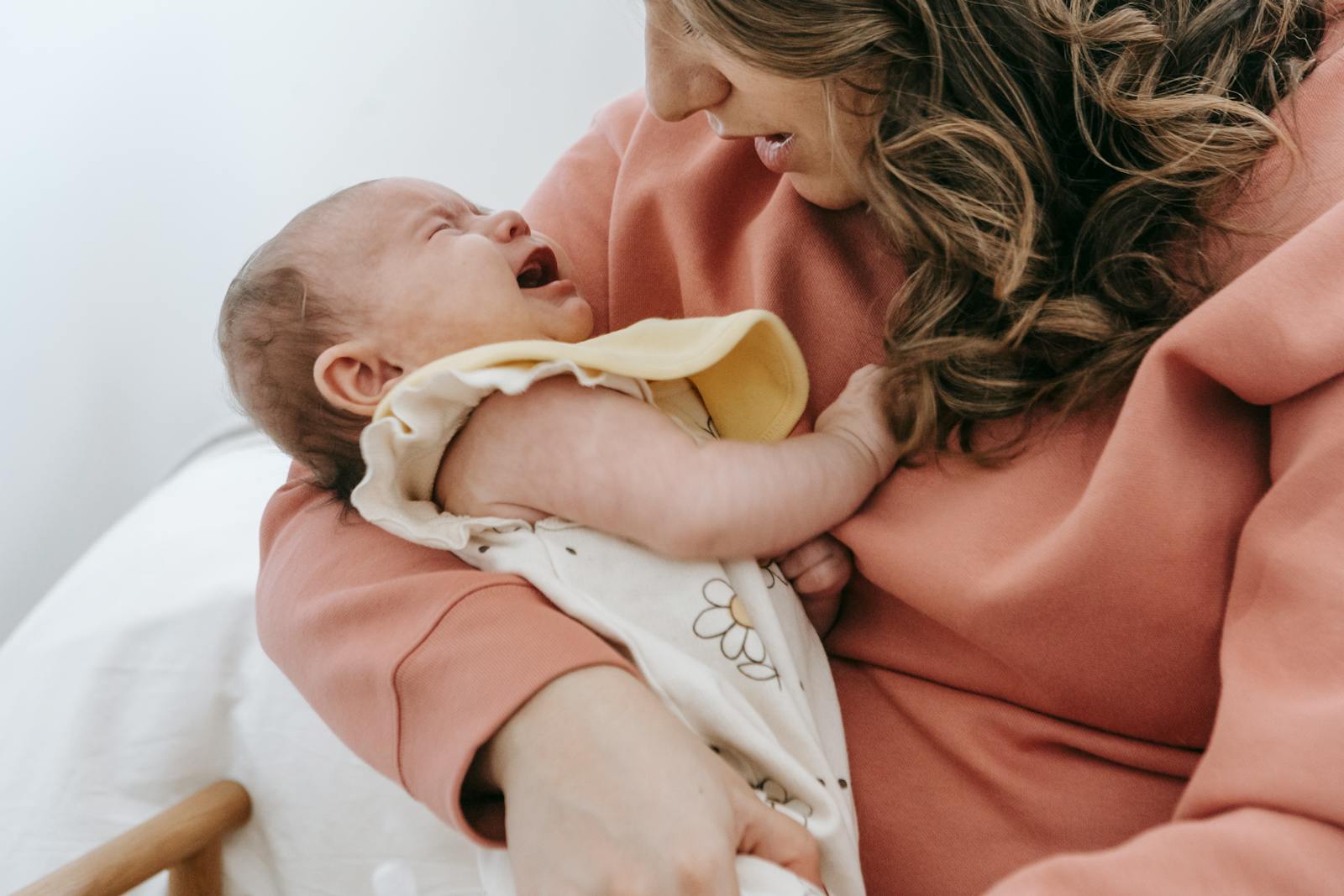
You worry that bringing a newborn home during cold season will unleash one long stretch of coughs, ER trips, and sleepless nights. That fear feels immediate when someone in the family keeps getting sick after visits, and it’s natural to want concrete steps to protect your baby without cutting off the people you love.
You can reduce the risk of serious illness by using practical infection-control steps, limiting high-risk contacts, and preparing a simple plan for symptoms and care.
This post will walk through what to do when anxiety spikes, how to set boundaries with family gently, and which everyday precautions make the biggest difference for a newborn’s safety.
Facing the Fear: Navigating Newborn Health Anxiety
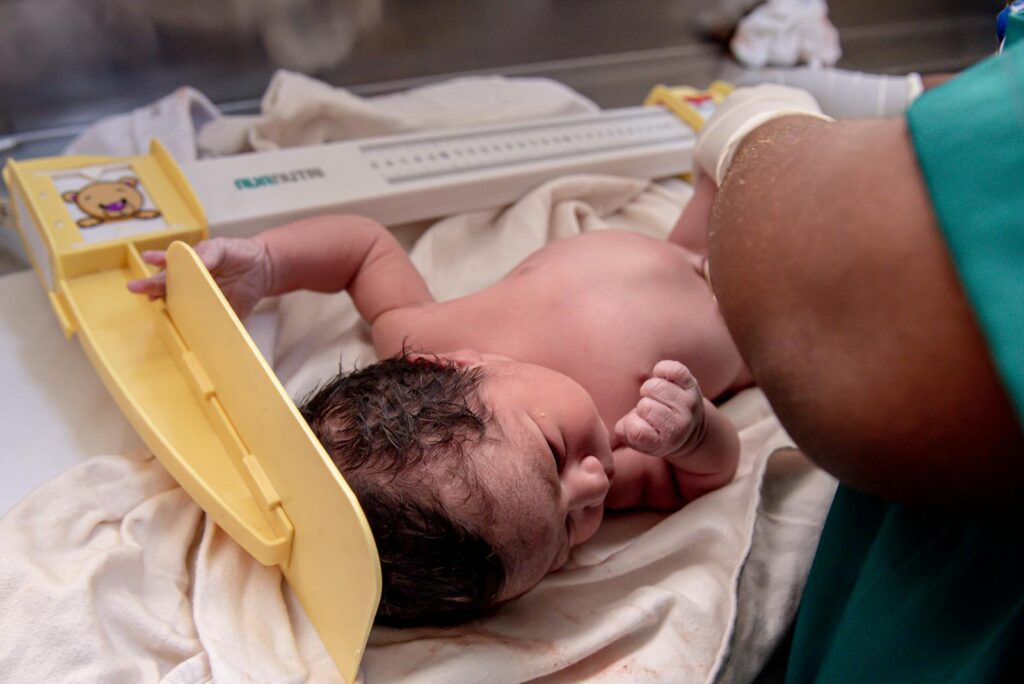
Practical steps, clear signs to watch for, and ways to reduce viral exposure can ease anxiety. The following subsections break down why worry happens, which symptoms need urgent care, self-care while parenting, and the actual risks tied to newborn congestion.
Why Moms Worry About Illness During Cold Season
Mothers often fear how quickly viruses can move through close contacts like family, daycare workers, or household visitors. Newborns lack fully developed immune systems and have smaller airways, so symptoms that seem mild in an adult (runny nose, cough) can feel more threatening when they could affect feeding or breathing.
Past experiences, online stories, and every new cough increase vigilance. Financial concerns, limited childcare backup, and confusing advice from social channels raise stress further. Clear, specific guidance from pediatric providers and a simple action plan for symptoms reduce uncertainty and help parents act rather than panic.
Common Symptoms and When to Call the Doctor
Key symptoms to monitor: poor feeding, fewer than six wet diapers per day (after the first week), difficulty breathing (fast breaths, chest retractions), persistent fever over 100.4°F (38°C) in babies under 3 months, and lethargy or inconsolable crying. Note changes in color—pale, bluish lips or face—prompt immediate care.
Use a checklist:
- Temperature ≥100.4°F (38°C) → call pediatrician now.
- Fewer feeds or diapers → contact provider same day.
- Rapid breathing, chest indrawing, or grunting → seek emergency care.
Keep the pediatrician’s triage number saved, and know the nearest emergency room with neonatal capability.
Supporting Yourself While Caring for Baby
Self-care directly impacts caregiving quality. Rest when possible, accept help for chores, and ask a partner or friend to manage errands or grocery deliveries to reduce exposure to crowds and workplaces.
Use concrete tools: saline nasal drops for baby, a bulb syringe, humidifier in the room, and scheduled reminders to offer feeds. If a caregiver is sick, mask and hand-wash before contact or arrange temporary separation while providing expressed milk if feasible. Mental-health support matters—ask a clinician about brief counseling or parent-support groups if anxiety persists.
Understanding the Risks of Newborn Congestion
Congestion alone usually stems from mucus, formula residue, or dry indoor air and is often manageable with saline and suctioning. However, neonates can decompensate faster when congestion affects feeding or oxygenation because of smaller nasal passages and immature respiratory control.
Risk factors that warrant closer attention: prematurity, underlying heart or lung conditions, or exposure to smokers. Vaccination of household contacts (flu, Tdap, COVID vaccines when indicated) and strict hand hygiene lower the chance of severe illness reaching the infant.
Keeping Your Newborn Safe During Cold and Flu Season
Focus on cleaning high-touch surfaces, limiting contact with sick people, and caring for a parent who’s contagious while keeping feeding and bonding safe. Small, consistent actions—handwashing, mask use, and targeted cleaning—reduce risk substantially.
Home Hygiene and Precautions
Wipe doorknobs, light switches, diaper-changing surfaces, and crib rails daily with an EPA-registered disinfectant or a bleach solution (1 tablespoon bleach per quart of water). Use disposable or easily laundered cloths; wash them in hot water after use.
Keep a small hand-sanitizer station (at least 60% alcohol) near the nursery and diaper bag. Ask all visitors to sanitize hands and remove shoes before entering the baby’s room. Limit multi-household gatherings and avoid crowded indoor spaces during peak viral weeks.
Run a HEPA air purifier in the nursery if ventilation is poor and keep the infant’s sleeping area at least 6 feet from anyone with symptoms. Maintain routine vaccinations for household members—flu and COVID boosters, if eligible—to reduce transmission risk.
Practical Tips for Sick Parents
If a parent has congestion, they should wear a well-fitting surgical mask or KN95 when holding or feeding the baby until 24–48 hours after major symptoms improve. Change the mask after coughing or sneezing and discard single-use masks promptly.
Practice strict hand hygiene before touching the baby: wash for 20 seconds with soap and water or use hand sanitizer if hands are clean. Avoid kissing the baby on the face and use a clean cloth barrier when burping if sneezing is likely.
When possible, have the healthy partner handle middle-of-night diaper changes and baths. If the sick parent must feed, consider pumped breast milk delivered by a healthy caregiver or use expressed milk bottles to minimize direct contact during peak contagion.
Boosting Your Own Recovery
Rest and hydration speed recovery: aim for sleep blocks when the baby sleeps and drink electrolyte-rich fluids throughout the day. Over-the-counter acetaminophen or ibuprofen can reduce fever and improve comfort—follow pediatrician or label guidance before use.
Use saline nasal drops and a bulb or electric nasal aspirator to clear congestion before feeding and sleep, improving both breathing and feeding success. Steam from a warm shower or a humidifier in the room (cleaned daily) can help loosen mucus.
If symptoms worsen—high fever, severe shortness of breath, or worsening cough—or if the baby shows feeding difficulties, fever, or difficulty breathing, call the pediatrician promptly for guidance and possible testing.
More from Decluttering Mom: