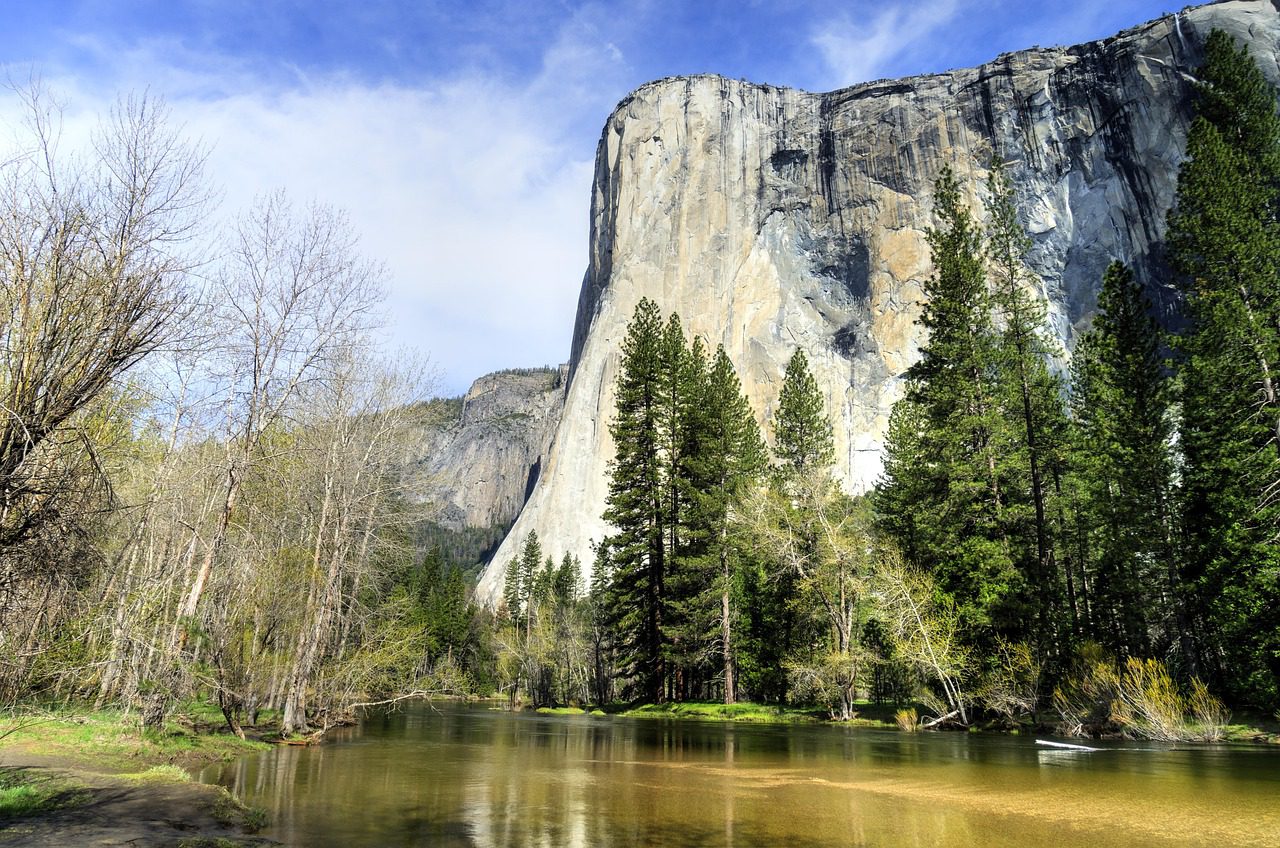
The death of 23-year-old climbing influencer Balin Miller after a fall from Yosemite’s El Capitan has shaken both the outdoor world and the social media universe that helped make him famous. The Alaskan athlete built a following by taking viewers along on bold ascents, and his final climb was no exception, streamed live from one of the most storied walls in California. His loss has sparked a raw conversation about risk, spectacle, and what it means to turn extreme adventure into content.
Friends, fans, and fellow climbers are now trying to square two truths at once: that Miller was a highly skilled American alpinist with serious achievements, and that he died in a way that felt brutally public. As tributes pour in and details of the accident emerge, his story has become a flashpoint for how modern climbing is evolving in the age of TikTok and Instagram.
The fall that stunned Yosemite
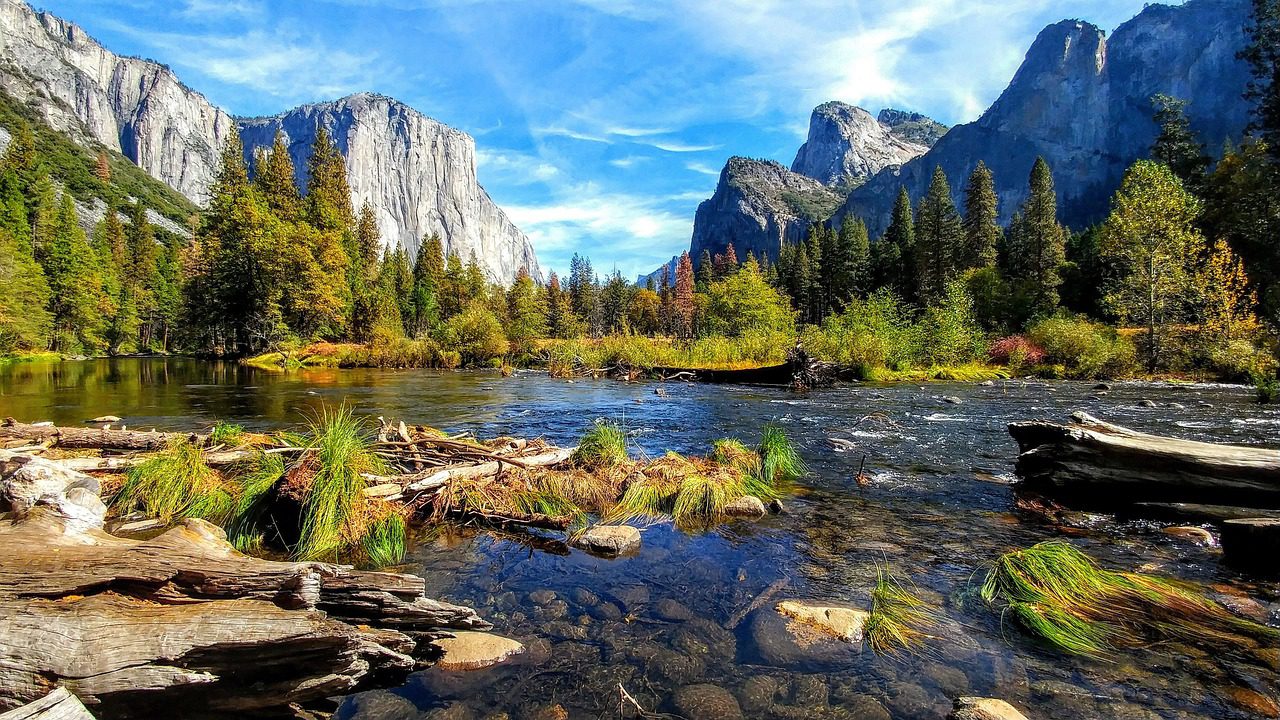
Witnesses and viewers watched in real time as Alaskan climbing influencer Balin Miller fell from El Capitan, the sheer granite monolith that rises above Yosemite Valley in California. The 23-year-old had been broadcasting his progress on the wall when the climb suddenly turned catastrophic, sending him plunging from the famous rock formation that has long been a proving ground for elite climbers. News of the fall spread quickly, with early posts identifying him as an Alaskan athlete who had built a sizable following by sharing his big-wall days and alpine pushes.
In the hours that followed, social media filled with stunned reactions and short statements confirming that the climber seen in the stream was indeed Balin Miller. One widely shared post described him as an Alaskan climbing influencer who died after falling from El Capitan in California, using hashtags that tied his name directly to Yosemite and the iconic cliff. That message, shared on Instagram, became an early reference point for followers trying to confirm what they had just seen.
Who Balin Miller was before El Capitan
Long before his final climb, climber Balin Miller had already carved out a reputation that went far beyond viral clips. The 23-year-old was known in serious alpine circles for tackling demanding routes, including a rare summit in Banff that put his name on the radar of veteran mountaineers. Reports highlighted that he was the 23-year-old who achieved a rare Banff summit, specifically pointing to his ascent of Banff’s Reality Bath route, a line that is notorious for its difficulty and commitment.
Coverage of his death has repeatedly circled back to that Banff achievement as proof that he was not just an online personality but a dedicated climber with real credentials. One detailed account described how climber Balin Miller, at 23 years old, had already checked off Banff’s Reality Bath route, a benchmark that underscored just how fast he was progressing in the sport.
From Anchorage kid to American climbing name
Balin Scott Miller’s story started far from Yosemite, in Anchorage, Alaska, where he was born and introduced to climbing almost as soon as he could walk. As Balin Scott Miller, he grew up scrambling on local crags and frozen waterfalls, eventually turning that childhood obsession into a full-time pursuit that took him from the Alaska Range to the big walls of the Lower 48. Biographical notes describe him as an American climber known for solo-style ascents and bold alpine pushes, a profile that fit neatly with the fearless persona his followers saw online.
Accounts of his life spell out the basics with stark clarity: Balin Scott Miller, pronounced BAY-lin, was born on January 12, 2002, and died at age 23 after a fall in Yosemite. One entry on Balin Miller notes that he was an American climber whose reputation rested on serious mountain objectives as much as on social media reach, a reminder that his identity in the community was built on more than just views.
A year that turned him into a star
In the year leading up to his death, Balin Miller was on a tear that had people in the climbing world talking. He spent 2025 stacking up ambitious routes and fast repeats, the kind of season that can quietly turn a strong regional climber into a name that gets mentioned in gear shops and basecamp parking lots. Friends described him as fast becoming a legend in the climbing world, a 23-year-old who seemed to be everywhere at once, from frozen north faces to sun-baked granite.
That momentum was amplified by his constant presence online, where he shared not just summit shots but the messy middle of big objectives, from weather delays to gear malfunctions. A detailed remembrance of Balin Miller emphasized how quickly he was making a name for himself in 2025, framing his Yosemite season as part of a broader push to test his limits on some of North America’s most serious terrain.
The livestream that changed everything
What set this tragedy apart from many other climbing accidents was the way it unfolded in front of an audience. Balin Miller was not just climbing El Capitan, he was livestreaming the ascent, turning a notoriously committing wall into a shared experience for thousands of viewers. People tuned in to watch him inch upward on the granite, chatting in real time as he worked through pitches that most climbers only ever see in photos or guidebooks.
When the fall happened, the stream captured it, leaving viewers horrified and scrambling to understand what they had just witnessed. Later reports noted that the livestreaming of a fall from El Capitan appeared on his TikTok channel, a detail that has haunted many of the fans who followed his climbs so closely. One account of the accident described how the fall was broadcast mid-climb, tying the moment directly to his climber and influencer identity and raising hard questions about how far the push for live content should go.
Inside the climb on El Capitan
By the time he set off on El Capitan, Balin Miller was no stranger to big granite walls, and he approached the route with the same mix of confidence and intensity that defined his other projects. Reports say he had already completed significant sections of the wall and was climbing a route that included a line known as Croc, a reference that places him on one of the more technical stretches of the formation. The climb demanded precise rope work and careful transitions, the kind of details that do not always translate on a phone screen but matter enormously in real time.
Witness accounts and early investigations suggest that the fall may have been linked to a mistake in how he managed his ropes while preparing to descend or reposition. One report noted that he had been climbing the route that included Croc and highlighted how a small lapse in a system that usually feels automatic can have devastating consequences on a vertical face. Coverage of the accident pointed out that Balin Miller had already completed difficult sections before the fall, underscoring how even experienced climbers can be caught out by a single error.
What investigators say went wrong
As park officials and climbing experts pieced together what happened, a clearer picture of the technical mistake began to emerge. The working theory is that Miller accidentally rappelled off his lead line, a scenario in which a climber believes they are attached to a secure rope but are in fact clipped into something that is not anchored as expected. On a wall like El Capitan, where exposure is measured in hundreds of meters, that kind of misstep leaves no margin for recovery.
Reports from Yosemite National Park described how the renowned Alaskan climber fell while livestreaming, with some analyses pointing directly to a rappel error as the likely cause. One detailed account of the accident at Yosemite National Park stated that he appeared to rappel off his lead line, a common but preventable mistake that has claimed other lives on big walls and is now being dissected in climbing forums and safety clinics.
Shock, grief, and a global reaction
News of the fall ricocheted through climbing circles and far beyond, helped along by the same platforms that had amplified Miller’s career. Friends and fellow athletes posted tributes describing him as a bright, unpredictable presence, someone who could light up a basecamp with a joke and then quietly crush a hard pitch the next morning. One musician who knew him personally shared a message calling it tragic news from Yosemite and emphasizing that the 23-year-old climber had fallen to his death while attempting a live streamed ascent, inviting others to share their own memories in the comments.
Fans who had followed his climbs from afar also weighed in, many of them admitting they had watched the stream and were struggling with the fact that they had seen his final moments. A widely shared video recap framed the story as that of a 23-year-old Alaskan climbing influencer who died after falling from the El Capitan rock formation at Yosemite, capturing the mix of shock and disbelief that defined the early reaction. That clip, posted with the line that recently this 23-year-old Alaskan climber had died in Yosemite, became a focal point for people trying to process the loss.
The influencer era meets real risk
Balin Miller’s death has also forced a broader reckoning with how climbing is presented and consumed in the influencer era. He was a 23-year-old acclaimed climber from Alaska who was known online as someone who pushed into serious terrain, including routes like McKinley’s Slovak Direct, and then brought his audience along for the ride. That mix of genuine high-end climbing and constant content creation made him a star, but it also blurred the line between performance and safety in ways that are now being debated across the community.
Many of the people who followed his TikTok and Instagram feeds have said they first discovered big-wall and alpine climbing through his clips, which often showed the unglamorous parts of expeditions alongside the summit shots. A video recap of his life described how Balin Miller built that following by sharing serious climbs in Alaska and beyond, and his sudden death has sparked a wave of questions about whether the pressure to keep cameras rolling can subtly influence decisions on the wall.
More from Decluttering Mom: