If you’ve noticed fewer formal dining rooms in homes lately, you’re not imagining it. For years, open-concept layouts blurred the lines between kitchen, living, and dining spaces, pushing traditional dining rooms out of the spotlight. But now, realtors are seeing a clear trend: the traditional dining room is making a comeback as people crave more defined, intimate spaces for gathering and connection.
You might wonder why this shift is happening after the popularity of open floor plans. Part of it is the desire for a dedicated area that brings a sense of occasion back to meals, whether it’s family dinners or hosting friends. More homeowners are valuing the formality and function that a separate dining room offers within their overall home design.
Why the Traditional Dining Room Is Making a Comeback
You’re seeing a renewed interest in traditional dining rooms because lifestyle changes, recent events, and evolving design preferences have reshaped how people use their homes. The dining room is no longer just about formality—it’s becoming a key space for connection and everyday living.
Shifting Home Lifestyle Trends
Your home’s layout is adapting to new habits. Many people are moving away from open-concept living that combined kitchen, living, and dining areas into one. Instead, they want dedicated spaces that offer comfort and clear purpose.
A formal dining room provides this by creating a special spot for meals and gatherings. It encourages you and your guests to slow down, sit together, and enjoy shared moments. This shift includes valuing flexibility—spaces that can serve multiple roles but still maintain a defined dining area.
Expect to see more homeowners appreciating that having a separate dining room supports everything from holiday dinners to casual weekday meals without feeling like a formal event every time.
Impact of the Pandemic on Gathering Spaces
The pandemic changed how you use your home, especially communal areas. Spending more time at home made you notice the value of spaces designed for family and friends to come together.
During lockdowns, many turned to their dining rooms as a place for connection beyond eating—board games, work, or studying happened there. This reinforced the importance of a room specifically meant for gathering.
Also, eating away from screens and sitting at a table became linked to better mental and physical health. With more people working remotely, having a designated table for breaks and meals helps set boundaries between work and personal life.
Resurgence of Formal Dining Room Appeal
The formal dining room’s charm lies in its ability to bring occasion and connection into everyday life. It’s no longer just for special holidays but can be a welcoming space to celebrate moments big and small.
Designers highlight that a well-planned dining room complements your home’s layout and lifestyle. It offers a balance between formality and comfort, so it doesn’t feel intimidating or unused.
Incorporating cozy furniture, layered lighting, and flexible decor makes the room feel approachable. You get the benefits of a structured place to eat with a softer, inviting atmosphere for guests and family alike.
Realtors and Designers Weigh In
The traditional formal dining room is sparking fresh interest among real estate and design professionals. You’ll find insights that focus on resale value, functionality, and current buyer preferences shaping this shift.
Insights from Real Estate Experts
Realtors note that homes with a dedicated dining room often stand out in the resale market. Many buyers appreciate having a formal space that separates mealtime from casual living areas, adding a sense of organization and style.
In today’s market, a formal dining room can boost a home’s appeal, especially for families who value hosting dinners or entertaining guests. However, open floor plans still dominate new builds, so a well-designed dining room can set your home apart.
Experts also point out the value of flexibility—if your dining room can adapt to other uses, like a study or homework area, it broadens the appeal to diverse buyers, increasing resale potential.
Designer Perspectives on Functionality
Designers emphasize that a formal dining room isn’t just about aesthetics; it’s about creating an intentional space for connection. You can personalize this room with bold colors, unique lighting, and textures that wouldn’t work as well in open-plan layouts.
The room’s separation lets you experiment with styles without worrying about clashing with adjacent spaces. Designers also highlight multipurpose furniture like extendable tables that enhance usability beyond special occasions.
They suggest using rugs, distinct lighting fixtures, or furniture placement to carve out this space, even in open-concept homes. This way, you keep the benefits of openness while reclaiming the intimacy and formality of a separate dining area.
Market Demand for Traditional Dining Spaces
There’s a growing demand for traditional dining rooms among buyers who want more than just flexible open areas. Surveys show many families miss having a separate place to focus on meals without distractions.
This trend is driving a comeback in neighborhoods where formal dining rooms had nearly vanished. Buyers see these rooms as valuable for intentional family dinners and social gatherings.
While not every home needs a large formal space, having a versatile dining room can improve how your home ranks on listing sites and attract a wider range of buyers—especially those prioritizing lifestyle and social interaction.
Comparing Open-Concept Living to Dedicated Dining Rooms
Choosing between open-concept living and dedicated dining rooms depends on how you use your space and the lifestyle you want to create. You’ll weigh factors like how you entertain, need for privacy, and how your family interacts daily. Both options offer distinct advantages that impact noise, design flexibility, and the flow of your home.
Benefits of Open-Concept Floor Plans
Open-concept layouts remove walls between the kitchen, dining, and living areas, creating a large shared space. This design lets you keep an eye on everything at once, which is great if you have kids or enjoy hosting guests while cooking.
The openness improves natural light and makes smaller homes feel spacious. It encourages casual interaction and makes traffic flow easier during gatherings. With fewer barriers, you can move freely and everyone feels connected, which many families prefer for everyday living.
Open-concept spaces often include large kitchen islands or informal dining areas, fitting today’s less formal meal habits. Still, the lack of walls means less sound control and fewer distinct areas for different activities.
Privacy and Ambience in Separate Dining Areas
Traditional dining rooms offer a dedicated space just for meals, which sets a clear purpose and allows you to create a specific atmosphere. Walls provide privacy, helping contain noise and clutter, which can be especially useful if people are working or relaxing in other parts of the house.
With a separate room, you can choose décor and textiles that make the dining area feel special and distinct. This separation also gives you more design freedom to experiment without worrying about clashing with kitchen or living room styles.
If you value intimate dinners or hosting formal gatherings, having a defined dining room gives you a space that feels intentional and focused on the meal and conversation.
Evolving Family Dynamics and Home Design
Family routines have shifted in recent years, especially with more people working and learning from home. This has made defined spaces more practical, as multiple members may need quiet or focused areas simultaneously.
Separate dining rooms and other distinct rooms allow your household to balance togetherness with privacy. Walls help reduce distractions, so everyone can concentrate whether they’re finishing work, doing homework, or enjoying downtime.
However, some families still prefer open-concept living for its sociability and flexibility. It depends on your daily rhythms and how you want your home to support everything from weekday meals to weekend gatherings.
Key Elements That Define the Modern Formal Dining Room
Creating a modern formal dining room means blending style with function in a way that feels intentional yet inviting. From the furniture you choose to the lighting that sets the mood, every detail plays a role in shaping a space where you and your guests want to linger.
Design Features and Statement Pieces
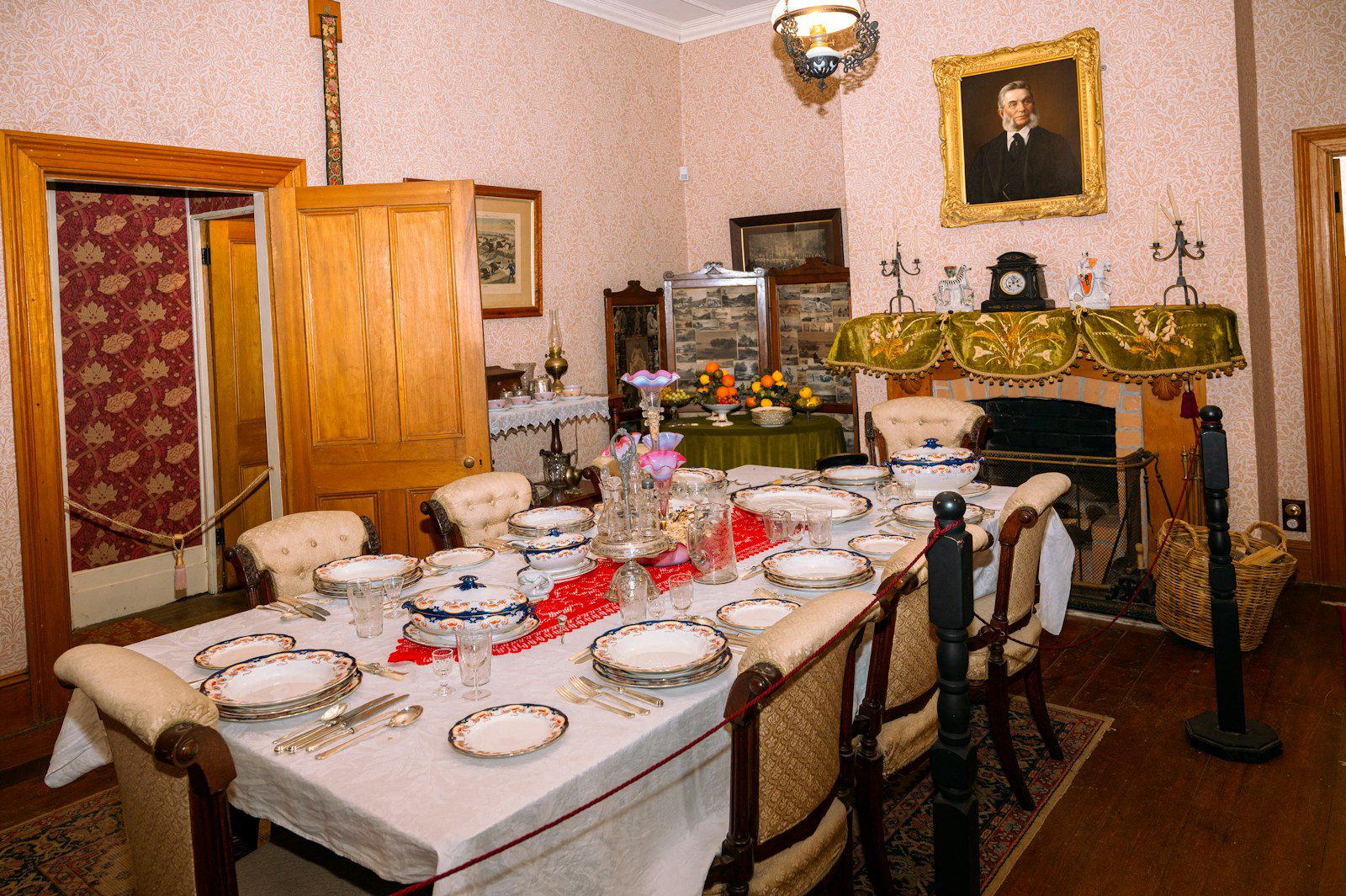
Your dining room’s design anchors its personality. A sizeable rectangular or oval table often becomes the focal point, paired with upholstered chairs that add both comfort and luxury. Look for materials like rich woods or textured fabrics that balance durability with refinement.
Consider including statement pieces such as a bold sideboard or a decorative china cabinet. These not only add storage but also offer a chance to display your favorite dishes or art objects. Don’t shy away from a striking light fixture or an eye-catching piece of wall art—these elements can bring unique character without overwhelming the space.
Atmosphere Through Lighting Choices
Lighting can transform your dining room from ordinary to memorable. Layer your lighting with a combination of ambient, task, and accent sources. A chandelier or pendant light centered above the table creates a natural gathering point and adds an elegant glow.
Dimmer switches are especially handy, allowing you to adjust the light intensity depending on the occasion—from bright meals to cozy dinners. You might also incorporate wall sconces or table lamps to soften the room’s edges and add warmth. Properly planned lighting helps the space feel intimate, even if it’s used for everyday meals or formal entertaining.
Balancing Comfort with Elegance
A modern formal dining room invites you to enjoy both style and ease. Upholstered chairs with supportive cushioning encourage long conversations without sacrificing sophistication. Pay attention to the layout—ensure there’s enough room to move comfortably around the table, especially when it’s extended for guests.
Adding textiles like rugs or curtains can soften hard surfaces and improve acoustics, making chatter more pleasant. Keep the décor approachable by mixing sleek finishes with warm accents, so your room feels less like a showroom and more like a welcoming spot for family and friends to connect.
How the Dining Room Impacts Resale Value
A dining room’s presence and design can play a significant role in your home’s market appeal and perceived value. How buyers view this space and your investment choices in maintaining or updating it are crucial factors that affect resale potential.
Buyer Preferences in Today’s Market
Many buyers still appreciate a defined dining room as a dedicated place for family meals and entertaining guests. In fact, homes with formal dining areas often leave a stronger first impression, making the property seem more complete and functional.
That said, preferences vary. Some buyers favor open, casual layouts over formal rooms. However, having a flexible dining space that blends comfort with style can attract a broader range of buyers.
Consider that a well-decorated, functional dining room can increase your home’s resale value by up to 1.6% compared to homes lacking a distinct dining area. This means a thoughtfully maintained dining room is often a worthwhile selling point.
Long-Term Investment Considerations
Investing in your dining room can bring a solid return, but it’s important to balance style with versatility. Updating your dining area to feel more comfortable and inviting can enhance both daily living and resale appeal.
You don’t necessarily need a rigid traditional setup. Multi-use dining rooms that transition easily into home offices or hobby spaces may meet evolving buyer demands without sacrificing value.
If your home currently doesn’t have a formal dining room, creating or restoring one could increase appeal. But be mindful of costs, ensuring any additions or remodels align with the local market’s expectations and your budget to protect your investment over time.
Creative Ways to Use or Reimagine the Dining Room
You can transform your dining room to fit your lifestyle better, whether it’s rarely used or you want to keep it functional beyond meals. With thoughtful design, this space can become a hub of comfort, productivity, and style without losing its potential for gathering.
Making the Most of Underused Spaces
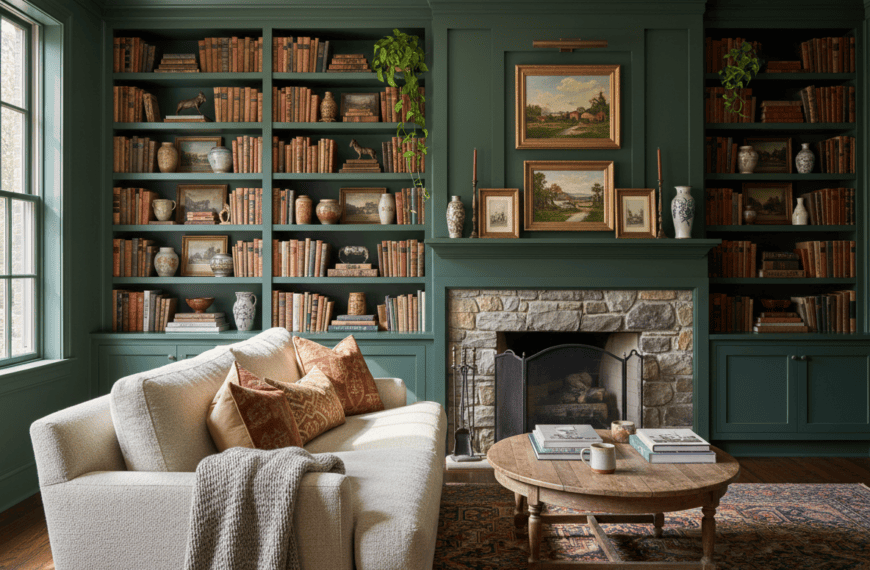
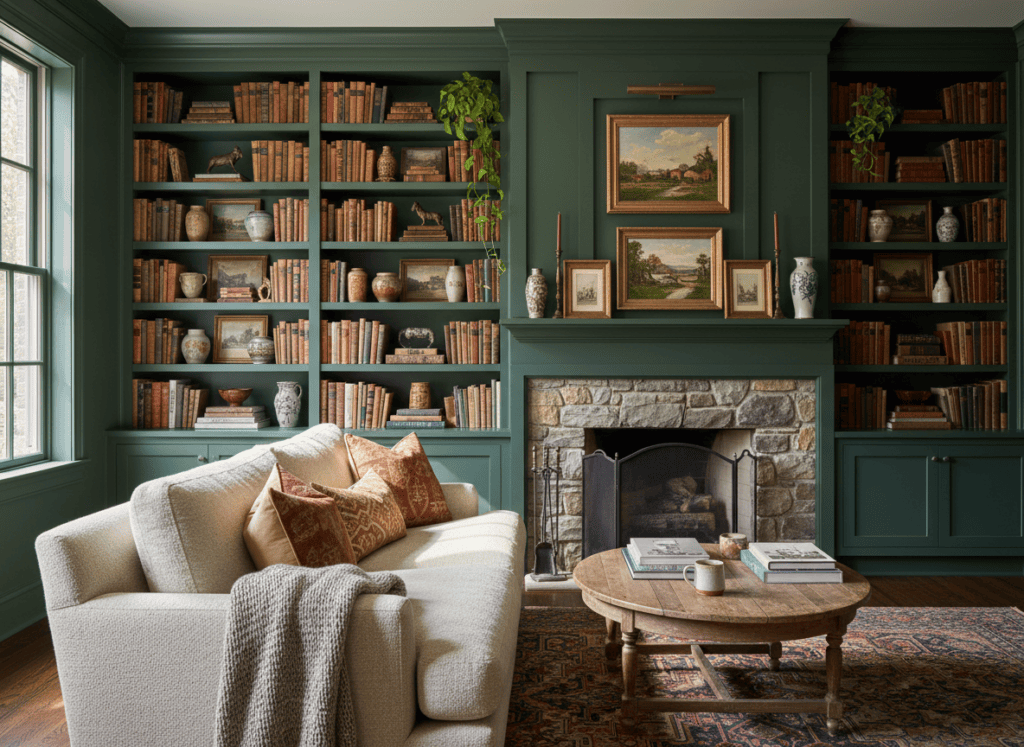
If your formal dining room sits empty most days, consider giving it a fresh purpose. Turn it into a cozy library by adding bookshelves around the walls and a comfortable reading chair. This creates a relaxing space for quiet time that still feels inviting for guests during gatherings.
Alternatively, shift it into a home office with a spacious desk and storage, especially if you find yourself often working at the dining table. Dining rooms often have good natural light, making them practical for productivity.
For families with kids, a playroom can keep toys and messes out of main living areas, giving everyone space to spread out without sacrificing a dedicated dining spot when needed.
Blending Versatility with Style
You don’t have to give up the formal dining room feel even if you’re using it differently. Adding a banquette seating area off the kitchen or within the dining space maximizes comfort and function. It keeps a sense of formality while fitting casual, everyday use.
Consider merging the dining space with a den or extra living room. This combination allows you to keep the dining function when hosting but also enjoy a cozy, casual lounge area without shifting rooms.
You can also infuse style by using rich wall colors, layered lighting, and multi-purpose furniture like fold-out tables or storage benches. This way, your dining room becomes both practical and inviting for any kind of gathering or everyday use.