Air conditioning has quietly become part of the basic infrastructure of modern homes, but the hardware that keeps interiors cool can also open up new ways for intruders to get in. From loose window units to exposed outdoor condensers, poorly secured systems can undermine locks, alarms and cameras that homeowners trust. Treating cooling equipment as part of the security plan, not just a comfort upgrade, is increasingly essential as thieves learn to target these weak points.
Security professionals now warn that the same window where a compact unit hums away can be the fastest entry point on the property, and that an unprotected condenser outside can be stripped or hauled off in minutes. The risk is not inevitable, but it is real, and it grows when people assume their air conditioner is too heavy, too noisy or too visible to be attractive to burglars.
How Cooling Equipment Became a Hidden Security Weak Spot
Home security advice has traditionally focused on doors, deadbolts and visible ground floor windows, while air conditioners were treated as background infrastructure. That blind spot matters, because a determined intruder looks for any structural shortcut, and a metal box wedged into a sash or bolted to a slab can be easier to manipulate than a reinforced lock. Earlier this year, one detailed guide on household risk noted that Air Conditioner Impacting is not a hypothetical question, but a practical one that depends on how the unit is installed and secured.
Security specialists point out that window mounted units can weaken the frame, leave latches unused and create a panel that can be pushed in if it is not reinforced. The same analysis warns that Window-mounted units are especially vulnerable when they rely only on friction and a closed sash, which just is not enough to stop someone who knows how to pry. As more homes rely on these systems to cope with hotter summers, the number of potential access points grows, and so does the need to treat them as part of the perimeter, not an afterthought.
Window Units: Convenience With a Built-In Invitation
Compact window units are often the quickest way to cool a room, but they also create a removable panel in the wall that did not exist before. If the frame is not reinforced, a burglar can simply lift the unit, shove it inward or kick out the accordion side panels to create a gap large enough to climb through. One widely shared neighborhood warning began, “With the warmth coming, air conditioners going in windows, and home invasions becoming a thing around town,” urging residents to think about how easily an unsecured unit could be pushed in.
HVAC professionals also flag that the very design features that make these units attractive, such as quick installation and removable side panels, can undermine security if owners stop there. One industry explainer on the pros and cons of window AC units notes that if a window unit is not installed properly, it can be an easy way for someone to get into the home any time they leave the house. The message is blunt: the convenience of a plug-in box is only an advantage if the mounting hardware and window frame are treated as security hardware, not just a way to hold the weight.
Real-World Break-Ins Through Air Conditioners
Police and residents have documented cases where intruders skipped locked doors and instead went straight for the weakest window unit on the property. In one televised account, a resident recalled, “Down when I used to live on Madison Avenue, people broke into people’s house through the A/C units [in the window],” describing how burglars simply pushed the units in and climbed through. That reference to Madison Avenue underlines that this is not a theoretical risk limited to one neighborhood or climate.
Video coverage of the same warning segment shows how quickly a criminal can exploit a loose installation, especially on the side or rear of a home where neighbors are less likely to see. The report notes that as temperatures rise in April, many of you are likely starting to knock the dust off your air conditioner, but trying to cool off could make you an easy target if the unit is not secured. These real-world examples have pushed some local police departments and neighborhood groups to add window AC checks to their seasonal safety lists, right alongside testing smoke alarms and trimming shrubs away from windows.
Outdoor Condensers: Targets for Theft and Tampering
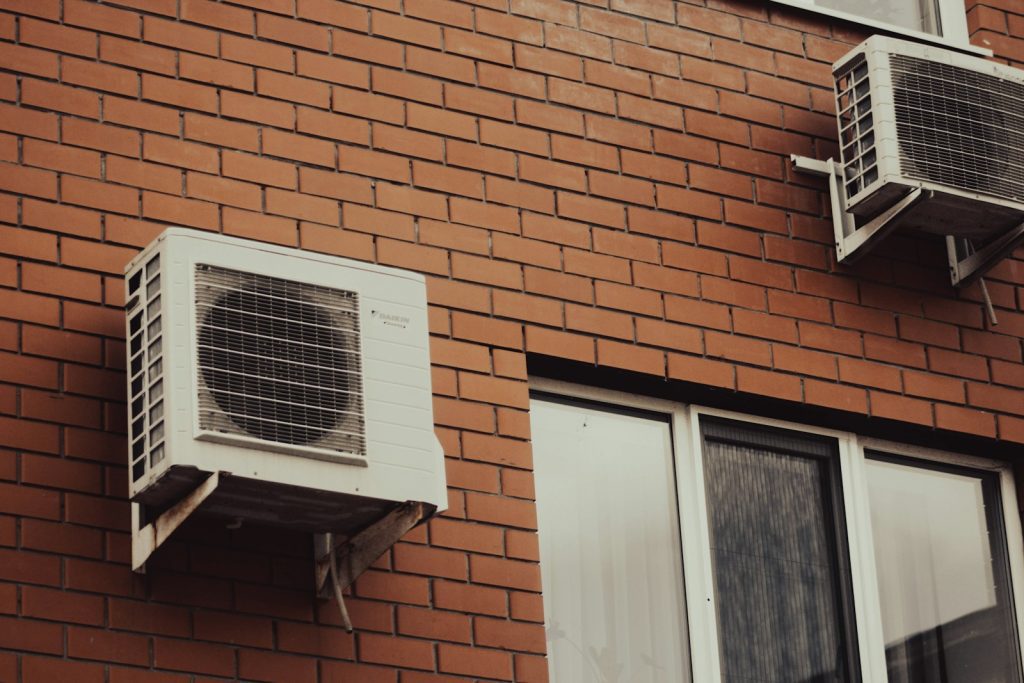
While window units create a physical opening, outdoor condensers introduce a different kind of vulnerability: they are valuable metal boxes sitting in plain sight. Thieves can strip copper, damage coils or haul away the entire unit, leaving the home without cooling and with a repair bill that can run into thousands of dollars. One security-focused HVAC guide describes in detail How Thieves Remove, noting that in field experience, a thief plans for speed, often using simple hand tools to cut lines and pry panels, leaving behind telltale pry marks or misaligned panels.
Homeowners sometimes assume that the noise and visibility of a condenser will deter theft, but reports of rising AC unit thefts from both homes and small businesses suggest otherwise. One advisory aimed at commercial clients notes that During the last couple of years, AC unit theft has become a growingly common problem that business owners and homeowners share, with some thieves even striking during storms when the sound of thunder can mask their activity. The combination of scrap value and relative ease of access makes these units attractive targets unless they are physically protected and integrated into the property’s security system.
Why Standard Locks and Alarms Are Not Enough
Traditional home security setups are built around the assumption that walls and windows are fixed, and that intruders will try to force a door or break glass. An air conditioner changes that equation by turning part of the wall into a removable component that may not be wired into any alarm circuit. One security expert who evaluated common setups noted that when people are hardening their house to prevent theft and keep out intruders, they often forget that Air Conditioner Putting at risk is a question that belongs right alongside whether the deadbolts are strong enough.
Even homes with monitored alarms can have blind spots if sensors are placed only on the main sash and not on the frame that holds the unit. Another analysis of common homeowner habits notes that the author is candidly I’m guilty of, admitting to leaving windows unsecured around AC units while focusing on other crimes in the neighborhood. That kind of oversight is exactly what opportunistic burglars look for, and it shows why simply having an alarm sign in the yard is not enough if the physical installation of the cooling equipment remains weak.
Hardware Fixes: Brackets, Braces and Cages
Physical reinforcement is the first line of defense against AC related break-ins, and it starts with how the unit is mounted. Security specialists recommend Installing an air conditioner bracket that attaches to the bottom of the AC unit and the side of the home using bolts or screws, which both supports the weight and makes it far harder to lift out. Insurance advisers go further, urging homeowners to Tighten every mounting screw securely, then Measure the distance from the side of the unit to the wall and Purchase and attach a steel corner brace to each side so the unit cannot be pushed inward.
For outdoor condensers, metal cages have become a common solution, turning an exposed box into something closer to a locked cabinet. One adjustable product line, marketed as an Adjustable Air Conditioner, is designed so the X90 security cage accommodates a variety of condenser sizes without having to wait for a custom cage to be fabricated. Another option, the YXSUN model, is promoted with the promise that Our air conditioner cage can provide protection for air conditioning outdoor units to prevent theft or removal, using Premium material and tamper resistant fasteners. These cages do not just deter theft, they also make it much harder for someone to tamper with refrigerant lines or electrical connections as a way to force a service call and gain access later.
Protecting the Unit Itself From Thieves
Beyond preventing intruders from using AC equipment as a ladder into the home, there is the more direct problem of protecting the unit from being stolen or stripped. One detailed advisory titled Stop, Thief, How Protect Your Air Conditioner From Would, Be Stealers notes that most homeowners will go to great lengths to protect televisions and jewelry, but often overlook the condenser sitting outside. The guidance emphasizes simple steps like securing the unit to a concrete pad with heavy duty bolts, installing motion activated lighting and trimming back landscaping that could hide a thief from view.
Electrical access is another overlooked vulnerability. One practical checklist points out that in order to steal an air conditioning unit, a thief will have to disconnect the power before they haul it away, which is why a Locked Disconnect Box can slow them down or send them elsewhere. Pairing that with a visible camera, even a basic Wi-Fi model, can provide proof from a camera if someone tampers with the unit, which can help both with police reports and insurance claims. The combination of physical barriers and documentation raises the risk for thieves enough that many will move on to an easier target.
Neighborhood Patterns and Seasonal Risks
Air conditioner related crime is not evenly distributed across the calendar or across neighborhoods. Reports from HVAC and security firms note that thefts and break-ins spike when temperatures climb and when people start reinstalling units after a cooler season. One community focused post that began with “With the warmth coming, air conditioners going in windows, and home invasions becoming a thing around town” urged residents to coordinate on timing and visibility, so that no one is the only house on the block with a loosely installed unit during the first hot weekend. That kind of informal neighborhood watch can be as important as any single bracket or brace.
Commercial and mixed use areas face their own patterns. A security advisory aimed at business owners notes that During the last couple of years, AC unit theft has become a growingly common problem that business owners and homeowners share, with some thieves timing their strikes to coincide with storms or periods of lightning in certain areas when alarms and cameras may be offline. Recognizing these patterns allows homeowners to schedule inspections, test locks and verify camera coverage before the first heat wave, rather than reacting after a neighbor’s unit disappears.
Building AC Security Into Everyday Habits
Hardware upgrades matter, but they are only effective if matched by daily routines that treat the air conditioner as part of the security perimeter. That starts with simple checks: verifying that window sashes are locked against the top of the unit, confirming that braces and brackets are tight, and making sure that any removable panels are screwed into place rather than left loose for convenience. One practical guide on home risk notes that Window-mounted units are safest when owners build a habit of checking them whenever they leave the house, just as they would check a deadbolt.
Technology can reinforce those habits. Some homeowners now pair their AC security hardware with smart plugs, cameras and sensors that alert them if a unit loses power unexpectedly or if motion is detected near an outdoor condenser at odd hours. Product listings for the X90 line highlight that the X90 security cage can be integrated with existing lighting and camera setups, while the YXSUN description emphasizes that its Premium material is designed to withstand tampering attempts over time. When those physical protections are combined with routines like walking the perimeter at night and talking with neighbors about suspicious activity, the air conditioner shifts from a hidden liability to a secured part of the home’s defenses.
More from Decluttering Mom: