Antique shopping looks romantic from the outside, but in practice it is a repeatable system of habits that quietly stack the odds in a buyer’s favor. After a decade of early mornings, dusty barns, and crowded flea markets, certain moves still work no matter how trendy the market gets or how online the resale world becomes. The most reliable strategies are surprisingly simple: how you walk the aisles, how you talk to vendors, and how you decide when to pull the trigger.
Think of it less like a treasure hunt and more like running a small scouting operation. The buyers who consistently come home with the good stuff are not necessarily the ones with the biggest budgets, they are the ones who know how to scan, when to negotiate, and where that piece can go next, whether it is a living room shelf or a Chairish listing. The playbook below is built on that kind of fieldwork, sharpened by other long‑time dealers and editors who have spent years in the same trenches.
Walk the floor like a pro, not a tourist

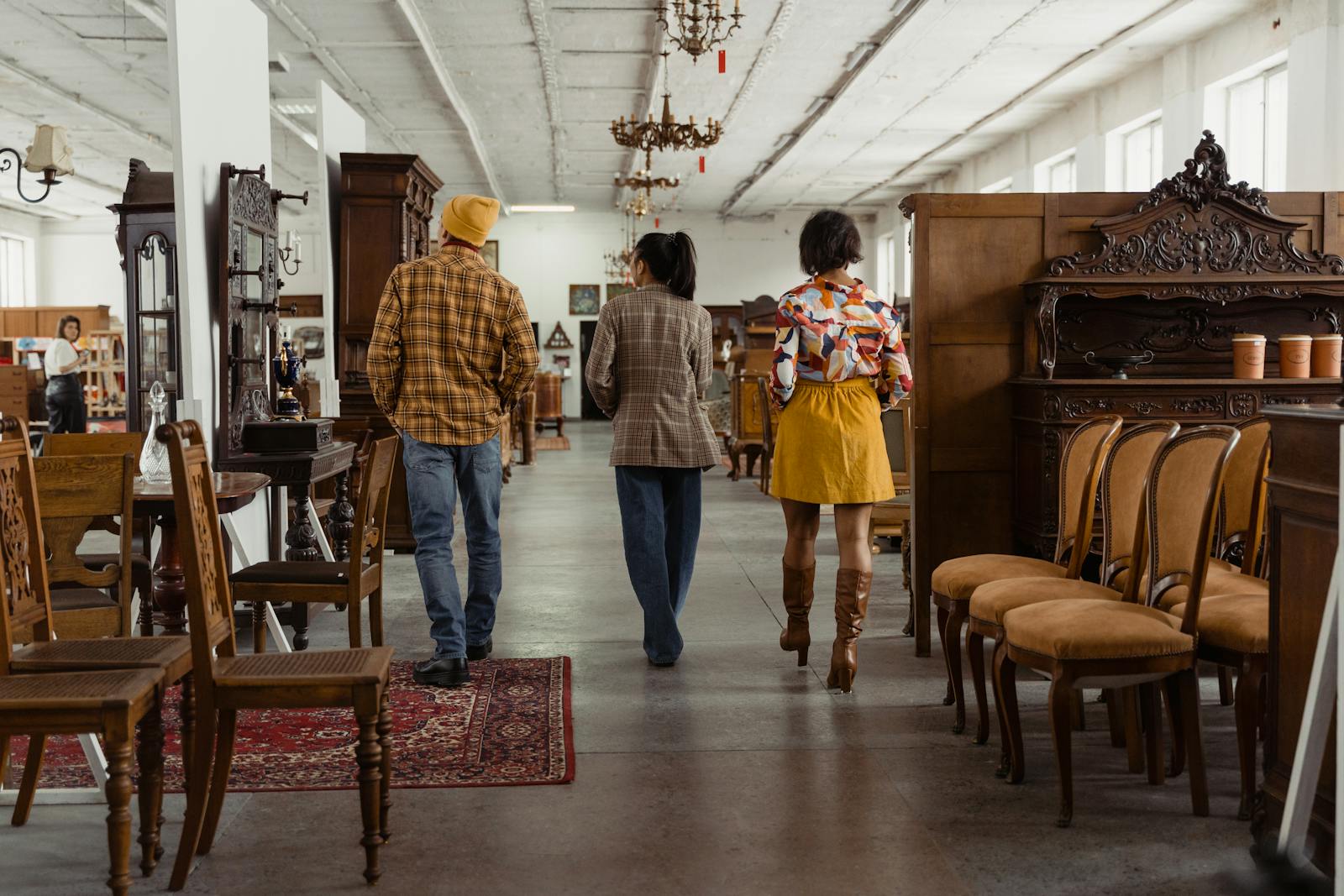
The single most underrated move is walking every market or mall twice. The first lap is reconnaissance, not shopping. On that pass, the brain is busy processing layout, prices, and general vibe, which is why so many seasoned hunters swear that the second lap is when the real finds appear. Advice to “go down the aisles twice” and to deliberately look at top shelves and low corners lines up with what regulars already know: the human eye skims at eye level and skips anything that requires bending or stretching.
There is a second layer to this: pacing. Shoppers who treat a flea market like a sprint tend to miss small, high‑value categories such as flatware, jewelry, and paper ephemera that are often tucked into boxes or cases. A slower second pass, ideally after a short break, lets the brain re‑scan with more focus and less sensory overload. Creator Jan backs this up with a simple rule to “walk around twice,” noting that buyers almost always spot new pieces on the repeat loop, a point echoed in her broader list of Walk‑focused tips.
Balance a game plan with an open mind
Veteran buyers treat antiquing like a grocery run with a twist: there is a list, but they are happy to abandon it for something better. Going in with a loose plan, such as “lighting and side tables” or “blue transferware,” keeps the day from turning into a blur of random objects. Country Living’s editor in chief, in a set of shared Antiquing tips, stresses having at least a rough idea of what to look for so the sheer volume of stuff does not overwhelm the eye or the budget.
At the same time, the buyers who score the most interesting pieces are usually the ones who let themselves be surprised. Jan makes the case for going in with an open mind rather than hunting one hyper‑specific item, arguing that rigid expectations cause people to walk right past better options that are easier to style and easier to live with. Her reminder to stay flexible, even if that means figuring out how to pack it later, reflects a broader truth: the market rewards people who can see potential before a piece is cleaned up, styled, or trending on social media.
Make vendors your inside track
In any antique mall or flea, the real inventory is not just what is on the table, it is what is still in the van or back at the warehouse. That is why relationships are a long‑term power move. Regulars who chat, ask questions, and remember names tend to get first crack at fresh stock, better context on condition, and more realistic prices. One long‑time dealer summed it up simply: Befriend the people behind the booths, because they are the ones out picking when everyone else is at home scrolling.
Timing matters here too. Veteran bargain hunters know that arriving early in the day delivers the best selection, while late Sunday afternoons are prime time for negotiation because vendors would rather sell than reload their trucks. That pattern shows up clearly in long‑running flea advice that highlights Sunday afternoons as the sweet spot for deals. The smartest buyers combine both: they build rapport by showing up early and often, then use that goodwill to negotiate fairly when the clock and the weather are working in their favor.
Use your phone, but do not let it shop for you
Ten years ago, buyers relied mostly on gut and experience. Today, anyone with a smartphone can reverse‑image‑search a vase in seconds. Used well, that is a gift. One popular thrifting reel lays out three simple rules, starting with a directive to hunt for “weird, unique objects that stand out,” then to use Google image search to sanity‑check value. That second step is especially useful for categories like studio pottery, costume jewelry, and branded luggage where small marks or logos can swing prices dramatically.
The trap is letting the phone override taste. Search results are often skewed toward aspirational asking prices, not actual sold comps, and they rarely capture condition issues like hairline cracks or replaced hardware. Community groups that urge buyers to “know your prices” are right, but the fine print is that knowledge should come from a mix of research, repeated exposure, and real‑world sales, not just a quick scan of whatever pops up when you know how to search. The happiest collectors tend to use their phones as a backup, not a steering wheel.
Spot quality now, think resale later
Even buyers who swear they are “not resellers” are playing in a market that is increasingly shaped by online demand. Platforms that cater to decorators and design‑obsessed shoppers, from Chairish to Etsy and Instagram, have become major outlets for vintage decor. A recent map of where to sell antiques notes that The Landscape now includes “The Decorators,” a group that lives on those platforms and is willing to pay for a specific look rather than a specific maker. That shift means a buyer who understands what stylists want can often pay up a little in person and still come out ahead online.
Trends matter, but construction and condition still do the heavy lifting. Forecasts for 2026 highlight categories like luxury handbags, where shoppers are urged to Look For sturdy stitching, original hardware, and clear brand stamps on pieces from Chanel and Guc, among others. On the decor side, experts are watching demand climb for antiques that show strong craftsmanship and distinctive design, with one analysis pointing to rising interest in pieces whose prices are already increasing on Been Antiquing for 1stDibs. Put simply, the best long‑term buys are pieces that look good, feel solid, and already have a digital audience waiting.
More from Decluttering Mom: