You can make a jarred pasta sauce taste like a slow-simmered, pricey marinara with one old-school trick that cooks in extra flavor and smooths out acidity. Add a single humble ingredient while you gently heat the sauce, and you’ll notice depth, balance, and a homemade finish that makes spaghetti sauce feel gourmet.
Bold the key sentence as instructed: Stir a grated carrot into your jarred pasta sauce as it warms; its natural sweetness and texture tame acidity and bring out tomato flavor without masking the sauce. This post will show simple seasoning moves, finishing touches, and unexpected uses so your upgraded sauce works for everything from classic marinara to creative weeknight dishes.
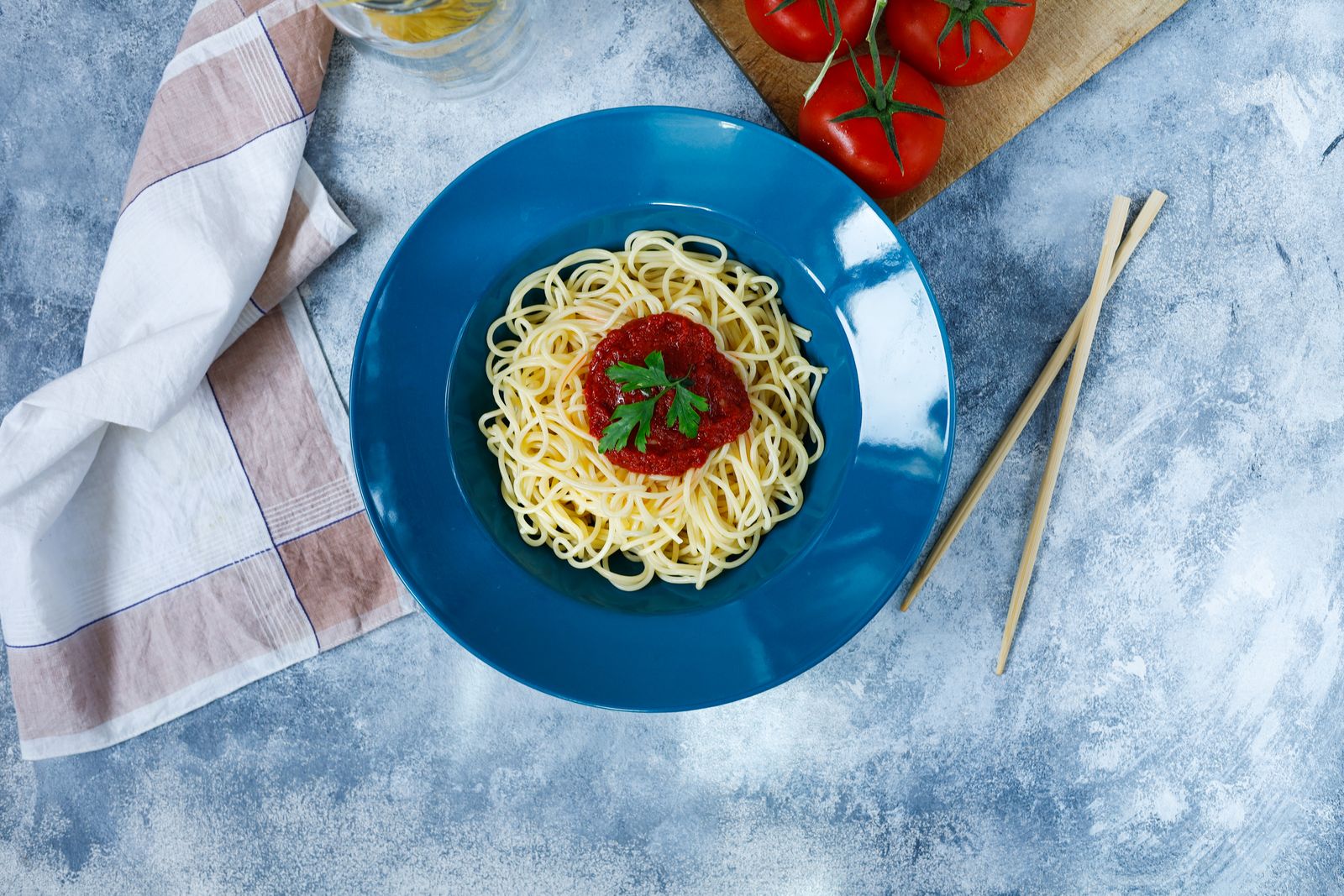
Secrets to Making Store-Bought Sauce Taste Homemade
These straightforward upgrades transform a jar into a sauce that clings to pasta, tastes balanced, and smells like it simmered all day. Focus on ingredient choice, a flavorful sauté base, smart herb layering, and final cheese-and-seasoning adjustments.
Choosing the Right Jarred Tomato Sauce
Pick a mid-range marinara or spaghetti sauce with simple ingredients: tomatoes, salt, olive oil, and basil or oregano on the label. Avoid overly sweet or highly processed sauces; those are harder to balance. If you see high fructose corn syrup or many stabilizers, move on.
Look at texture and salt level. A thinner sauce benefits from a tablespoon of tomato paste; a very salty jar will need sugar or dairy to mellow it. Buying a plain tomato sauce and adding your own herbs gives you control over aroma and freshness.
Consider brand mixing: combine one jar of sauce with a spoonful of a different brand’s tomato paste or crushed tomatoes for more complexity. Use high-quality extra-virgin olive oil when heating or finishing to add fruitiness.
Sautéing Alliums in Olive Oil for a Flavorful Base
Start with 2–3 tablespoons of good olive oil in a skillet over medium heat. Add finely chopped onion first and sauté until translucent, 4–6 minutes, then toss in minced garlic for the last 30–60 seconds to avoid bitterness. This creates a savory backbone that jarred sauce often lacks.
If you want depth, add a splash (1–2 tablespoons) of white wine or 1 teaspoon of tomato paste and cook it down for a minute before adding the jarred sauce. For a richer mouthfeel, finish the base with a tablespoon of butter or a drizzle of extra-virgin olive oil. Season lightly with black pepper while you sauté so flavors build from the start.
Layering Fresh and Dried Herbs
Use dried oregano or crushed red pepper early in cooking so their oils bloom in the hot oil or sauce. Add about 1 teaspoon dried oregano per 24 ounces of sauce when you first combine the jarred sauce with the sautéed base. This step wakes up the jarred product’s underlying flavors.
Reserve fresh herbs—basil, parsley—for the final minutes. Tear fresh basil leaves and stir them in off the heat to preserve aroma. For a bright, layered herb profile, use 1 tablespoon chopped fresh basil plus 1 tablespoon chopped fresh parsley per jar. If you have pecorino romano, a small grating at the end complements the herbs and adds salinity without overpowering.
Finishing Touches: Cheese and Final Seasonings
Adjust salt, acid, and fat at the end. Taste the sauce and balance it with a pinch of sugar if it’s too acidic, or a squeeze of lemon if it tastes flat. Stir in a tablespoon of pasta water to loosen the sauce and help it cling to noodles.
Grate pecorino romano over the sauce or toss a tablespoon into the pan for umami and sharpness. Finish with a final drizzle of olive oil and a crack of black pepper. If you want a creamier finish, stir in 1–2 tablespoons of heavy cream or mascarpone to soften bright acids and add silkiness.
Creative Ways to Use Upgraded Pasta Sauce
Upgrade the jarred sauce once and it becomes a versatile base for many meals. A little olive oil, fresh cheese, or a protein will stretch a jar into several distinct dishes.
Old-School Pasta Dishes
Toss your upgraded sauce with spaghetti, then finish with a splash of olive oil and a generous grate of Pecorino Romano. Cook the pasta 1-2 minutes shy of al dente, save 1 cup of starchy pasta water, and combine with sauce to create a glossy coating that clings to every strand.
If you want meatiness, brown Italian sausage or add meatballs simmered in the sauce for 10–15 minutes to absorb flavor. For a richer, creamier plate, stir in 2–4 tablespoons of heavy cream or mascarpone and warm through.
Serve with toasted garlic bread and a simple salad. Small tweaks like red pepper flakes, a squeeze of lemon, or chopped fresh basil tailor the dish to your taste.
Expanding Beyond Spaghetti
Use the sauce as a casserole base: layer cooked pasta, sauce, ricotta mixed with egg and parsley, and shredded mozzarella; bake until bubbly. Turn it into baked eggs by spooning warm sauce into ramekins, cracking eggs on top, and baking at 375°F until whites set.
Make a quick shakshuka-style breakfast by simmering peppers and onions in the sauce, then poaching eggs directly in it. For sandwiches, ladle sauce over grilled chicken or use it as the spread for a hot panini with provolone.
You can also use jarred sauce to braise vegetables—eggplant or zucchini cooked slowly in the sauce absorb and transform its flavor.
Modern Cooking Hacks and AI Kitchen Tips
Use your phone or smart assistant to scale seasoning based on jar size: ask for salt, herb, or acid adjustments for a 24-oz jar and follow the suggested teaspoons. Try precision timing from a smart timer: add garlic at minute zero, wine at minute three, and jarred sauce at minute five to mimic layered sautéing.
For texture, blitz a portion of the sauce in a blender to smooth chunks or fold in browned onion-olive oil fond for depth. If you want to experiment, let an app suggest pairings—try fennel seed with pork or olives for briny contrast.
Store leftovers in portioned containers; reheat gently with a splash of water and olive oil to revive the sauce’s brightness.