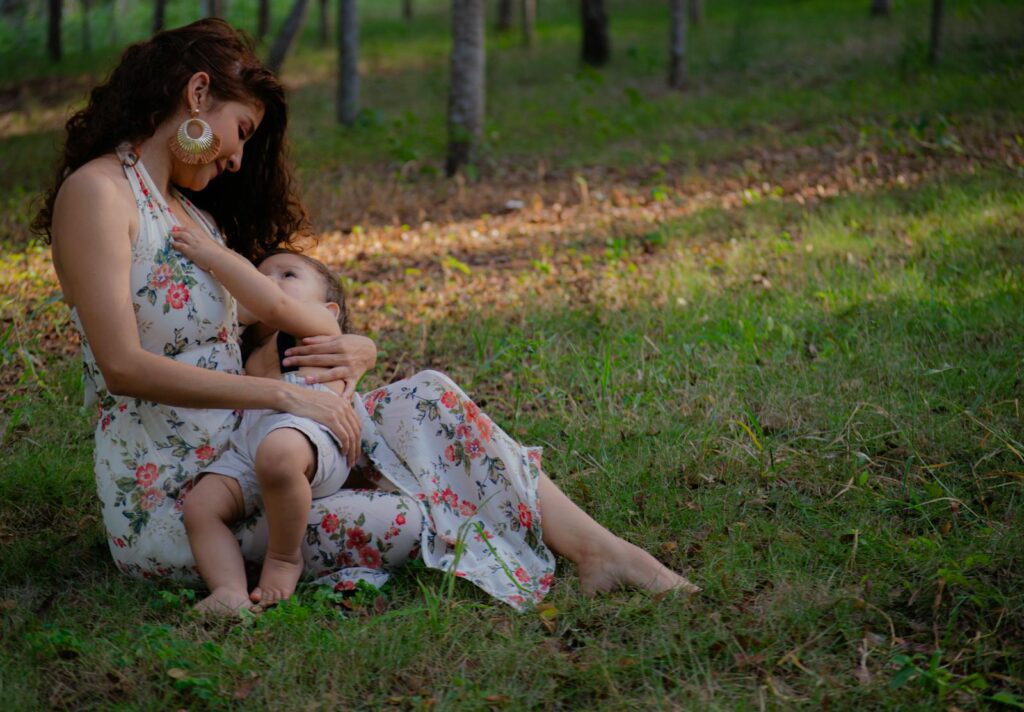
Vice President JD Vance and second lady Usha Vance are adding one more to an already busy household, with the couple revealing they are expecting their fourth child, a baby boy due in late July. The announcement instantly set off a wave of online reactions, as people clocked the timing, counted the kids, and tried to square a growing family with the demands of the vice presidency. The mix of genuine congratulations and quick political math captured how little separation there is now between a public figure’s personal milestones and the internet’s instinct to turn everything into a running tally.
For the Vances, the news is straightforward: they are parents who love their three children and are excited to welcome a fourth. For everyone watching, it is another reminder that the second family is young, still expanding, and living out major life changes under a national spotlight that rarely blinks. The pregnancy is both a private joy and a public data point, and the reaction to it says as much about the country’s expectations as it does about the couple themselves.
The announcement that set social media buzzing
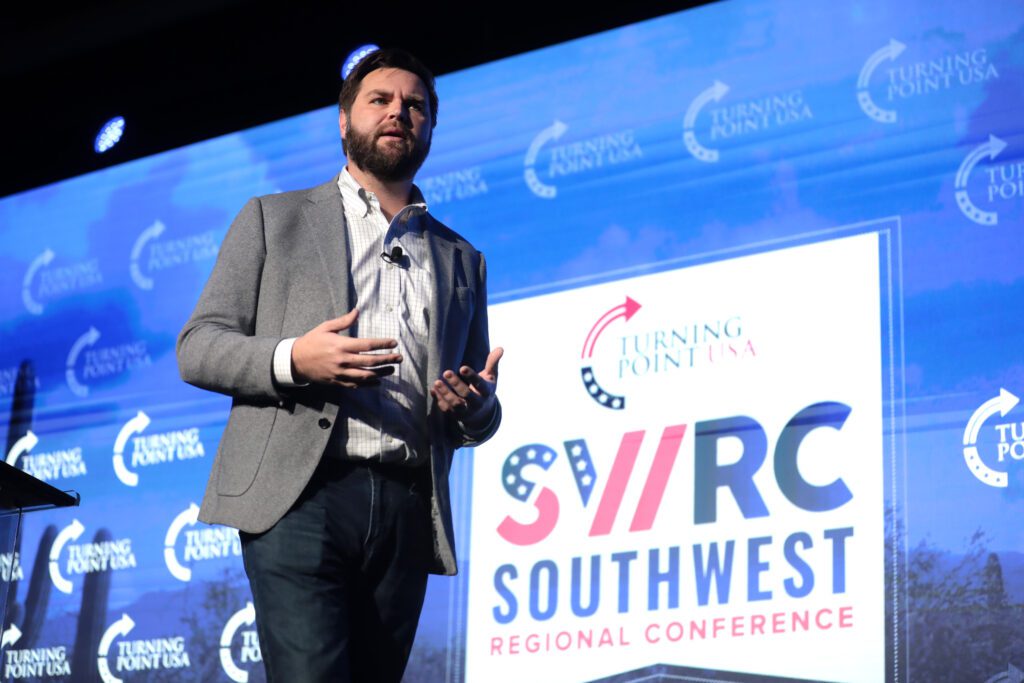
The reveal landed the way most modern political family news does, through a polished social media post that felt personal but was clearly meant for a national audience. Vice President JD Vance and his wife, second lady Usha Vance, shared that she is pregnant with a boy who is expected to arrive in late July, a detail that immediately gave followers something concrete to latch onto as they reacted to the news. The couple framed the update as a family milestone, not a political statement, but the timing and the specifics were enough to send the internet into instant analysis mode.
In the post, they nodded to the reality that life inside the vice president’s residence is already full, describing how much they love their three children and how excited they are to welcome another baby into the mix. That simple line, that they “love our three children,” became a kind of shorthand for the online conversation, a reminder that this is a young family still in the thick of diapers, school runs, and bedtime chaos. The pregnancy itself, and the fact that the baby is a boy due in late July, has been confirmed in reporting on the fourth child, which echoed the couple’s own framing of the news as a joyful expansion of their family.
Who the Vances are bringing this baby home to
Behind the headlines and the memes is a very real household that already includes three children, each of them still young enough to experience a new sibling as a seismic shift. JD Vance has built much of his public identity around his upbringing and his path into politics, but in office he has increasingly presented himself as a father first, someone whose daily life is shaped by the needs and rhythms of a growing family. Usha Vance, a lawyer by training, has stepped into the role of second lady while also navigating the practical realities of parenting three kids with a fourth on the way.
The couple’s social media announcement underscored that they are not just adding a baby to a political brand, they are adding a baby to an already tight family unit that they say they “love” and are eager to see grow. Reporting on the pregnancy has consistently described Usha Vance as the second lady and emphasized that the child will be the couple’s fourth, reinforcing the picture of a vice presidential family that is still in the early chapters of raising children. That context, captured in coverage of Vice President JD his wife, helps explain why the news resonated so strongly: people are watching a young family grow in real time, in one of the most visible roles in American politics.
How the internet instantly started counting
Once the Vances confirmed that baby number four is on the way, social media did what it always does and immediately started doing the math. Users tallied up the existing three children, added the incoming boy, and began to riff on what it means for a sitting vice president to be parenting four kids while serving in one of the most demanding jobs in government. The phrase “fourth child” became less a neutral descriptor and more a prompt for people to project their own ideas about family size, work life balance, and what a modern political family should look like.
Some of the reaction was lighthearted, with people joking about the logistics of car seats, school schedules, and the sheer volume of laundry that comes with four kids. Others took a more pointed tone, using the number as a jumping off point to debate policy positions on family leave, child care, and support for parents. The fact that the couple themselves highlighted that they already have three children and are now expecting a fourth boy in late July gave the online conversation a clear numerical hook, one that was grounded in the details confirmed in coverage of the late July due date and the couple’s own description of their family.
Family values, policy debates, and a baby on the way
For a vice president who has leaned heavily into themes of family and cultural identity, the arrival of a fourth child is not just a personal milestone, it is a live demonstration of the values he often talks about. Supporters see the pregnancy as a natural extension of JD Vance’s emphasis on family life, arguing that raising four children while serving as vice president reinforces his credibility when he speaks about parents, kids, and the pressures facing households across the country. The image of a second family that is still growing, with a baby boy due in late July, fits neatly into that narrative.
Critics, however, are quick to connect the news to policy questions, asking whether the administration’s positions on issues like parental leave, child tax credits, and child care funding line up with the realities of raising four kids. The fact that the couple publicly celebrated their three children and their excitement about a fourth has given those debates a concrete backdrop, one that is rooted in the specific details reported about the pregnancy and the family. Coverage that identifies Usha Vance as pregnant with a boy, expected in late July, and notes that the couple already has three children has become a reference point for people who want to test the gap between rhetoric about family values and the policies that shape family life in practice.
The second lady’s expanding role
As second lady, Usha Vance already occupies a role that blends public expectations with private responsibilities, and a fourth child will only sharpen that balancing act. She is navigating a high profile position that often involves travel, public appearances, and advocacy work, all while parenting three children and preparing for the arrival of a baby boy. The pregnancy underscores how much of her contribution to the vice presidency happens behind the scenes, in the day to day work of keeping a young family grounded while living in the national spotlight.
Reporting on the announcement has consistently identified her as second lady Usha Vance and emphasized that she is pregnant with the couple’s fourth child, a boy expected in late July, details that highlight both her official role and her personal reality. The social media post that shared the news, and the coverage that followed, framed her not just as a political spouse but as a central figure in a family that is still growing and adapting. That dual identity, captured in descriptions of her as both second lady and expectant mother of a fourth child, will likely shape how she is seen in the months ahead, as she continues to represent the administration while preparing to welcome another baby into the family.
Life inside a very full vice presidential household
Four children in the vice president’s residence is not just a talking point, it is a logistical reality that will reshape daily life for the Vances. With three kids already in the mix, the household is presumably organized around school routines, bedtime rituals, and the constant churn of activities that define life with young children. Adding a newborn boy in late July will mean sleepless nights, shifting schedules, and the kind of controlled chaos that many parents of multiple kids recognize instantly.
The couple’s own description of how much they love their three children, paired with the confirmation that they are expecting a fourth, suggests a home that is already oriented around family time and kid centered priorities. Coverage that notes the pregnancy, the baby’s sex, and the timing of the due date paints a picture of a vice presidential family that is not slowing down or settling into a static routine. Instead, they are leaning into a season of life that is defined by growth, adjustment, and the constant recalibration that comes with raising four children while one parent serves as vice president of the United States.
Public curiosity and the limits of privacy
The reaction to the Vances’ baby news also highlights how thin the line is between public interest and private life for modern political families. On one hand, people are genuinely curious about the personal stories of the leaders who occupy the highest offices in the country, and a pregnancy is a natural moment for that curiosity to surface. On the other hand, the speed with which the internet turned a family announcement into a numerical exercise, counting kids and speculating about implications, shows how quickly a personal milestone can be absorbed into the broader churn of political commentary.
The couple’s choice to share the news through a social media post, and the subsequent reporting that confirmed details like the baby being a boy and the due date in late July, reflects a calculated openness that still tries to preserve some boundaries. They offered enough information to satisfy basic questions, acknowledging their three existing children and their excitement about a fourth, while keeping the more intimate details of the pregnancy private. That balance, echoed in coverage of the pregnant second lady, is a reminder that even in an era of constant online scrutiny, political families are still trying to draw lines around what belongs to the public and what remains their own.
How this shapes the image of the administration
In a White House led by President Donald Trump, the presence of a young, growing second family adds another layer to the administration’s public image. JD Vance’s profile as a vice president with four children on the way reinforces a narrative of generational contrast, positioning him as a figure who is living through the same parenting challenges that many voters face. The image of a vice president juggling official duties with the realities of a newborn and three other kids at home can make the administration feel more relatable to some, even as others see it as a distraction from policy debates.
The specific details of the pregnancy, from the confirmation that the baby is a boy to the timing of the late July due date, give the public a concrete storyline to follow as the administration moves through a busy political calendar. Coverage that identifies Usha Vance as second lady, notes that the couple already has three children, and confirms that they are expecting a fourth child this summer, anchors that storyline in verifiable facts rather than vague impressions. In that sense, the baby news is not just a personal chapter for the Vances, it is part of the broader narrative about who is governing the country and what their lives look like beyond the podium.
What the reaction reveals about politics and parenting
The internet’s immediate impulse to “do the math” on the Vance family says a lot about how politics and parenting have become intertwined in the public imagination. People are not just counting kids for curiosity’s sake, they are using those numbers as shorthand for values, priorities, and perceived authenticity. A vice president with four children is, in the eyes of many, someone who cannot easily avoid the practical questions that come with raising a family, from health care and education to child care and work schedules.
More from Decluttering Mom: