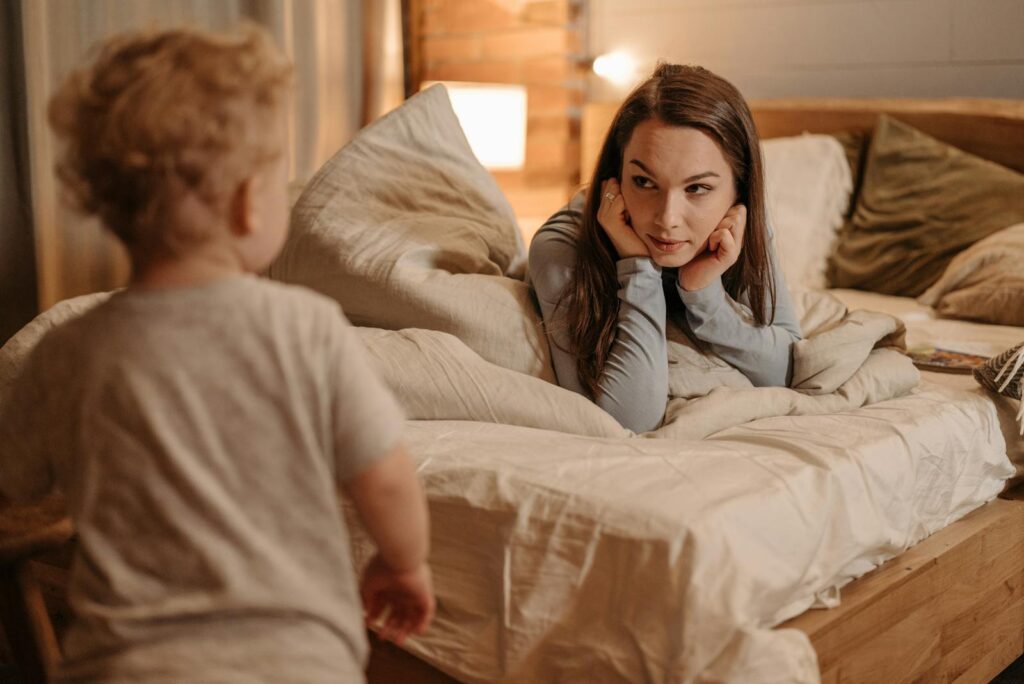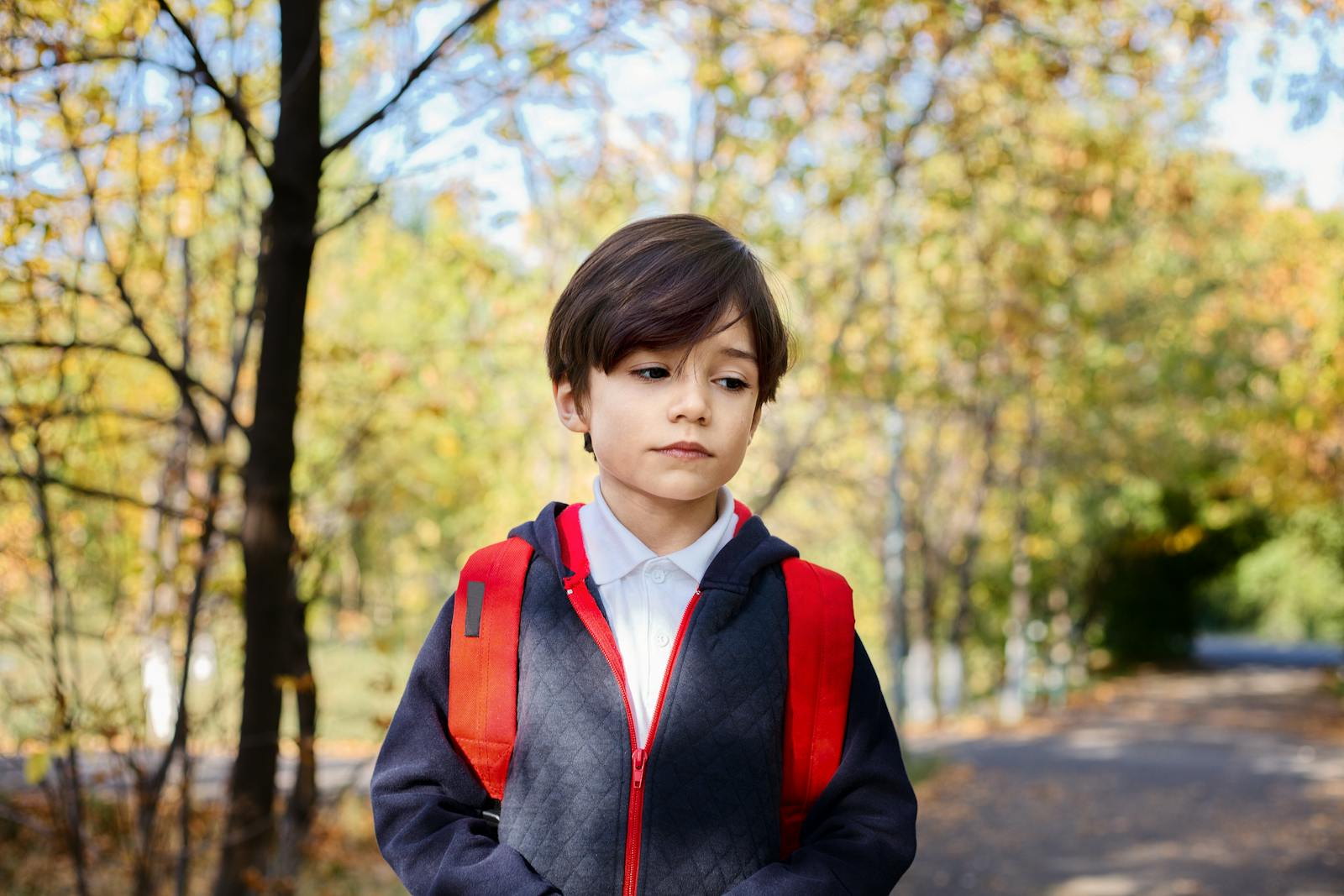
There is a certain kind of deep-breath moment that hits when your child starts walking to school alone.
You can do the prep. You can go over the route. You can repeat the same reminders about looking both ways, staying alert, and going straight to campus. And still, after they leave, part of your brain stays stuck in that in-between space until you know they made it.
That is why kids walking to school alone safety has become less about one big conversation and more about building a simple system around the routine. More moms are realizing that the safety talk still matters—but a backup step can make a big difference on rushed school mornings when everyone is juggling too much at once.
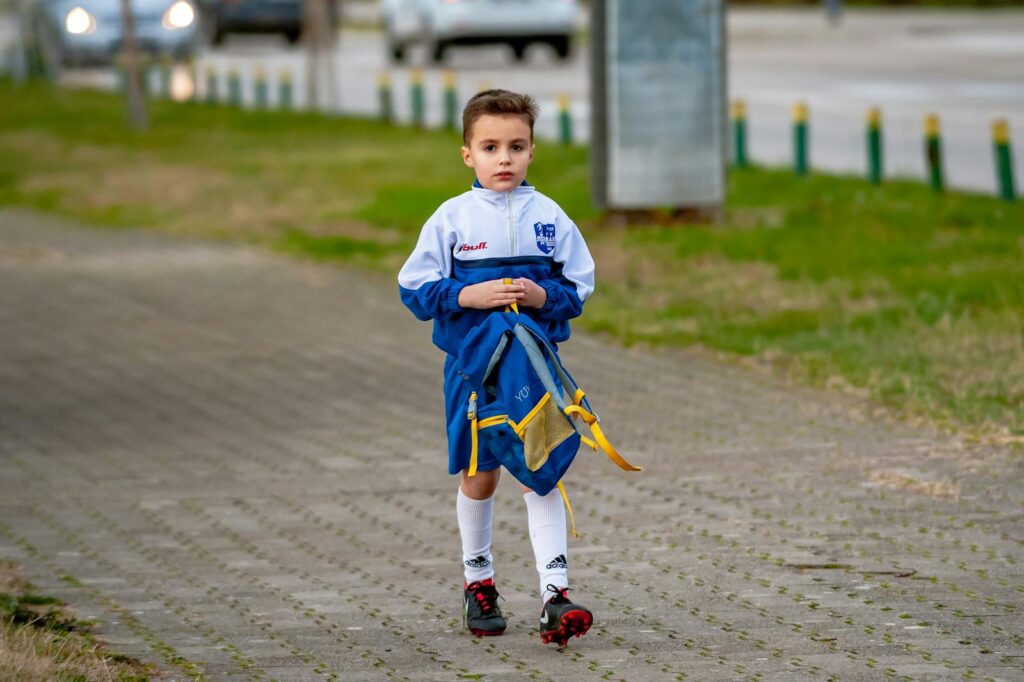
Why the Safety Talk Still Is Not Always Enough
Most moms are not sending their kids out the door without preparing them. The talk usually happens long before that first solo walk. It comes up in little ways for weeks.
Stay on the main route.
Do not stop anywhere.
Do not walk with someone you do not know.
Go straight to school.
Tell me if anything feels off.
The problem is not that moms are forgetting the basics. The problem is that real life is messy. Kids get distracted. Schedules change. School drop-off plans shift. A parent assumes a child arrived. A child assumes nobody needs an update. And sometimes that gap between “they should be there by now” and “I know they got there” feels a lot longer than it should.
That is exactly why new tools like Life360’s No Show Alerts are getting attention. The feature was introduced as a way to notify a family member only if a loved one does not arrive at a designated location by a certain time, instead of forcing parents to keep checking a location app over and over.
The Safety Step Moms Are Adding for Kids Walking to School Alone Safety
The extra step is simple: moms are setting up an arrival-based backup alert instead of relying only on check-in texts or constant location refreshing.
In practical terms, that means choosing one destination—usually school—and setting a time your child should be there. If they arrive as expected, nothing happens. If they do not, you get a notification that tells you something may be off.
That kind of setup can feel much more manageable than watching your phone every few minutes. According to the source you shared, Life360 says the tool is meant to reduce the mental load on families, especially during back-to-school season, when routines are changing fast. The same source also says the alert only goes off if the child does not arrive by the set time.
For a lot of moms, that is the real appeal. It is not about tracking every move. It is about having one clear safety net in place.
What Moms Can Do Before a Child Starts Walking to School Alone
If your child is getting ready for that first independent walk, the most helpful approach is usually a combination of conversation, practice, and one backup plan.
Walk the route together more than once. Do it on a normal school morning if you can. Show them where to cross, where to stay visible, and what to do if something unexpected happens.
Pick one non-negotiable route. Kids need clarity more than a long list of options. A set path makes it easier for them to remember and easier for you to troubleshoot if plans go sideways.
Create one check-in system. That might be a text, a quick call, or an arrival alert. The best system is the one your family will actually use every day.
Keep the script simple. Instead of turning it into a scary speech, try something like: “I trust you to handle this, and my job is to make sure we have a plan that helps both of us feel confident.”
Practice what to do if plans change. If the school is closed, a gate is locked, a friend wants them to stop somewhere, or they forget something at home, they should know exactly what the rule is before it happens.
Why This Feels Bigger Than One Walk to School
A lot of parenting transitions look small from the outside until you are the one living them.
Walking to school alone is not just about getting from one place to another. It is one of those moments that quietly asks moms to loosen their grip a little while still staying responsible for everything. That is why even capable, ready kids can still leave a mom staring at the clock for ten extra minutes.
The source you shared also noted that parents reported higher anxiety during back-to-school season and that many said an alert for when a child does not arrive on time would be helpful. That tracks with what a lot of moms already know firsthand: sometimes peace of mind is not about doing more. It is about having one reliable system that catches what slips through.
Letting your child walk to school alone does not mean stepping back completely. It just means changing what support looks like. The talk still matters. The trust still matters. But for many moms, the most reassuring move is adding one quiet layer of backup—so independence does not have to feel like guessing.
More from Decluttering Mom: