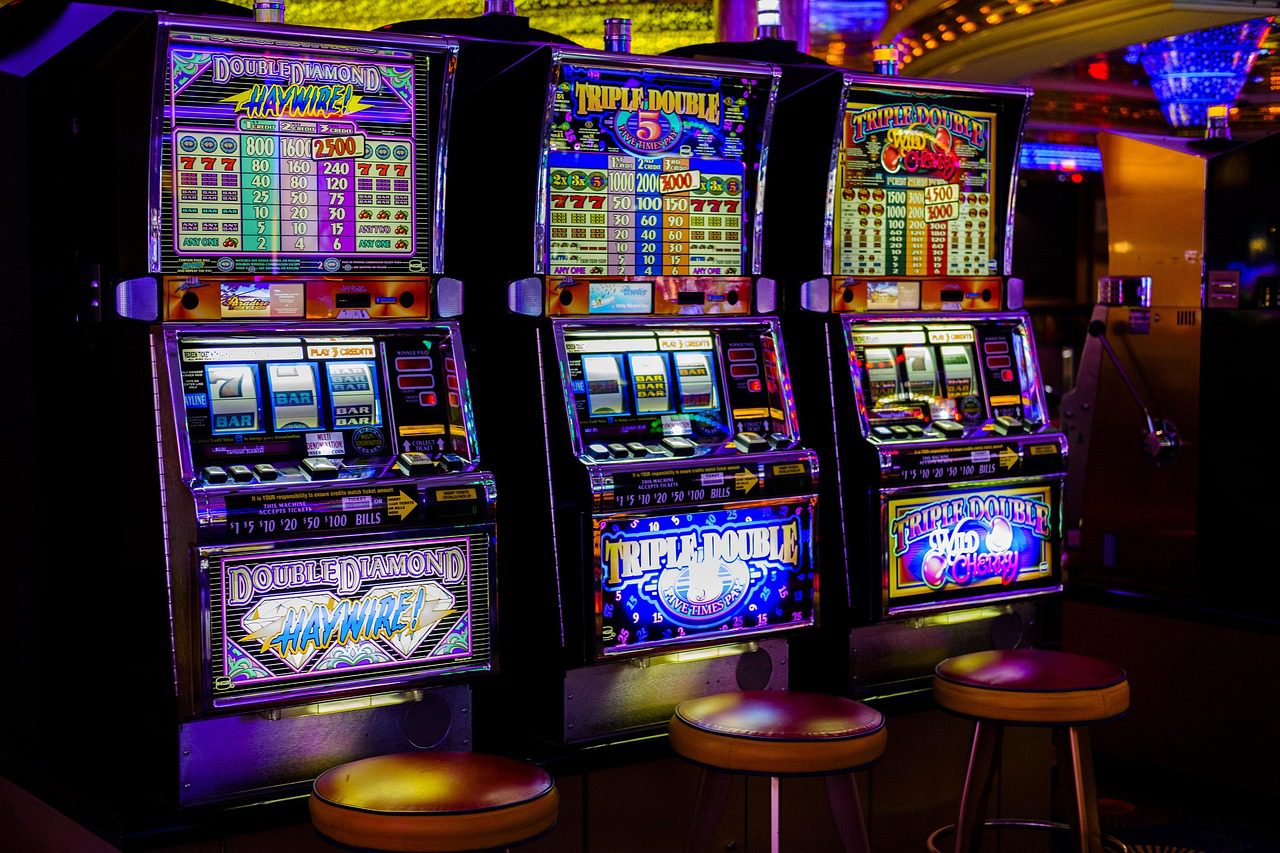
You spot gambling-style machines tucked into aisle alcoves at Kroger, and it makes you pause. Kroger’s pilot of coin-operated amusement machines in several Georgia stores has sparked quick public backlash because many feel grocery aisles aren’t the place for pay-to-play gaming.
They’ll want to know where these machines appeared, what Kroger says about the program, and why neighbors and advocates are pushing back. Expect a look at local reactions, legal context, and why some worry grocery-store gaming could normalize gambling in everyday life.
Why Kroger Is Under Fire for Adding Gambling Machines
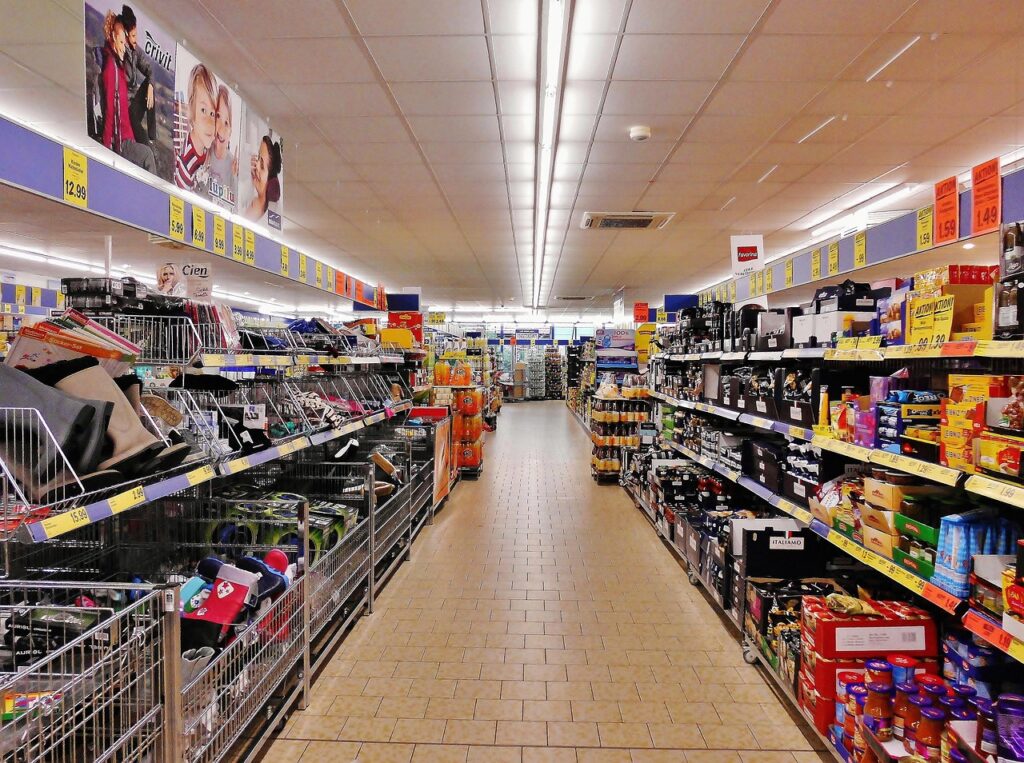
Kroger’s pilot of coin-operated amusement machines has sparked local outrage, concerns about accessibility for vulnerable shoppers, and questions about where such devices belong. Critics point to visible placement, family-oriented surroundings, and differences between how the machines operate versus how they appear.
Shopper Backlash and Community Reactions
Shoppers have reacted strongly at multiple Georgia Kroger locations, especially in Macon and other Middle Georgia stores. They say placing gambling-style kiosks in grocery aisles exposes children and people in recovery to wagering-like activities and normalizes gambling in everyday errands.
Local voices include parents who found the units near produce and checkout lanes, and recovery advocates who worry about impulse play. Lawmakers and community groups in Gwinnett County and South Fulton have publicly urged removal or stricter placement rules. Social posts showing a sectioned-off “gaming area” inside a Kroger fueled much of the local debate and media coverage.
Where the Gambling Machines Are Showing Up
Kroger installed the devices in a handful of Atlanta-area and Middle Georgia stores as part of a limited rollout. Reports mention Macon Kroger locations and stores on Old National Highway and Whitlock Road where machines sit either in a walled-off alcove or in lobby-style setups near entrances.
Placement varies by store: some kiosks are set off to one side with a barrier, while others sit adjacent to service desks or pharmacy areas. That inconsistent placement drives confusion: a walled-off unit feels like a separate gaming space, whereas a kiosk next to the cashier reads as integrated into shopping flow. Communities have objected more sharply where machines are visible from family-oriented aisles.
How COAMs and Georgia Skill Games Operate
The devices are categorized under Georgia law as coin-operated amusement machines (COAMs) or skill games, not traditional slot machines. They accept small wagers and award points redeemable for prizes or vouchers rather than direct cash payouts, which keeps them legal under state rules.
Operators and host retailers must follow licensing and redemption regulations overseen by the Georgia Lottery and related agencies. Kroger has allowed licensed COAM operators into select stores, and some revenues are earmarked for programs like the HOPE Scholarship and Pre-K. Critics counter that the visual and functional similarity to slot machines blurs legal distinctions and complicates enforcement of prize-redemption rules.
Concerns About Normalizing Gambling in Grocery Stores
Shoppers and local advocates worry that placing gambling-style machines where people buy food makes betting appear ordinary and harmless. They point to machine design, placement, and easy access as factors that change how communities perceive gambling.
Family Spaces and the Question of Exposure
Parents and community members say having coin-operated amusement machines (COAMs) in Kroger aisles brings gambling into family routines. Machines often sit near entrances, registers, or produce sections, increasing visibility to children and teens who visit with parents. Critics argue that even if machines dispense points or gift cards instead of cash, the flashing lights and game mechanics mirror slot machines and teach reward-seeking behavior.
Advocates for child safety note that repeated exposure can normalize risk-taking and make future gambling more likely. Local reports from Georgia show shoppers surprised to find these devices in stores they consider child-friendly. Retailers that allow COAMs risk altering the shopping environment in ways families do not expect or consent to.
Debate over Legal Loopholes and Prepaid Cards
Legal experts and consumer-rights groups spotlight how Georgia’s COAM framework and so-called skill-game labels create a gray area for regulation. Machines follow state rules by avoiding direct cash payouts, but critics argue prize structures and redemption methods—often involving prepaid cards or vouchers—can mimic cash value. That blurs the difference between legal “amusement” and prohibited commercial gambling.
Opponents also point to revenue-sharing arrangements that incentivize retailers like Kroger to host machines, increasing pressure to expand placements. Regulators have prosecuted some illegal cash-payout operations in Georgia, yet enforcement depends on proving actual cash equivalence. This uncertainty fuels debate about whether current rules adequately protect vulnerable shoppers and whether stricter limits or clearer definitions are needed.
More from Decluttering Mom: