You can green your lawn fast, but one common mistake turns that quick boost into brown, crispy patches overnight. If you apply too much fertilizer at once or spill granules on the turf, the salts in the product will pull water away from roots and can kill grass within days.
You’ll learn how to spot early signs of fertilizer burn, why some formulas cause damage faster than others, and practical steps to rinse away excess salts and rescue stressed patches. Keep reading to save time, avoid costly replanting, and protect your lawn next time you feed it.
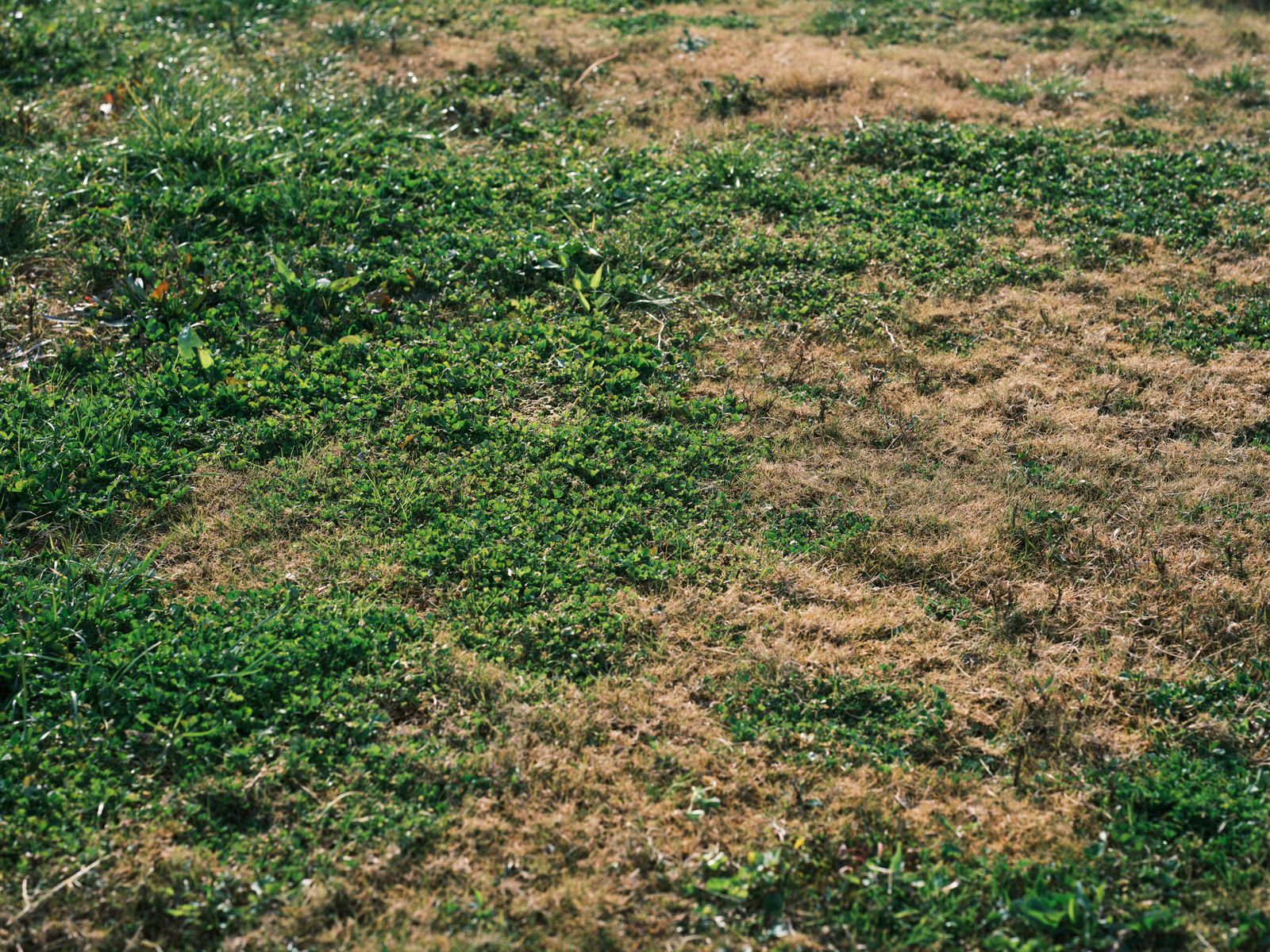
Why Fertilizer Burns Grass and What to Look For
Fertilizer can dry out roots, leave toxic salt concentrations in the soil, and scorch leaf blades when misapplied. Watch for uneven brown patches, pellet spills, and rapid yellowing after an application.
What Is Fertilizer Burn and How Does It Happen?
Fertilizer burn happens when salts in the product draw water out of grass roots and leaf tissues, causing dehydration and cell damage. High-soluble nitrogen and other salts create a concentrated layer around roots if you apply too much fertilizer or if pellets sit on the turf surface.
Physical spills or overlapping spreader passes deposit an excessive dose in small areas. Dry weather makes grass more vulnerable because the lawn can’t dilute salts with rain or irrigation. Slow-release formulations and organic products contain fewer soluble salts and reduce the risk, but they still burn turf if you massively overapply.
Key Signs of Fertilizer Burn on Grass
Look for sharp-edged brown or yellow patches that follow spreader patterns or pellet trails. Burned grass often browns quickly within 24–72 hours while surrounding turf stays green.
Check for visible granules on blades or soil surface; concentrated pellets mean a local overdose. Grass may feel brittle and break easily when pulled. In severe cases, the grass dies and roots appear dry and crumbly. If you suspect salt damage, soak the area thoroughly to begin washing salts below the root zone.
Common Mistakes That Cause Lawn Damage
Overlapping spreader passes and incorrect calibration are the most frequent errors that lead to lawn fertilizer burn. Many people double-apply corners or edges when guessing spreader settings.
Filling a spreader on the lawn and spilling pellets also causes concentrated burns. Applying fertilizer during drought or on frozen ground prevents immediate dilution and increases harm. Finally, using a high-salt, fast-release fertilizer at full strength on sensitive or newly seeded turf raises the burn risk. To avoid these mistakes, calibrate equipment, follow label rates exactly, and water in or wait for rain when using soluble products.
For practical guidance on cleanup and recovery after a spill, see how to fix fertilizer burn on lawns at The Grounds Guys.
How to Fix and Prevent Fertilizer Burn for a Healthy Lawn
Act quickly: remove excess granules, flush salts with water, and reseed or patch bare spots if grass doesn’t recover. Use slow-release products and correct rates next time to avoid repeat damage.
How to Fix Fertilizer Burn and Reverse Damage
Start by removing any visible granular fertilizer from the turf using a small shovel or broom so it won’t continue dissolving into the soil. Next, water the affected area deeply — aim for about 1 inch of water per day for 4–7 days — to leach excess salts downward and reduce root dehydration.
If grass blades are brown but crowns still look healthy, leave them and keep watering; many lawns will green up in 2–3 weeks. For dead patches, lightly rake, add topsoil or compost, and reseed with the same grass type. Avoid heavy fertilizer or herbicide on stressed turf until new growth establishes.
Top Tips for Preventing Fertilizer Burn
Always calculate the correct fertilizer rate for your lawn area and follow the label’s pounds-per-1,000-sq-ft directions. Do not apply fertilizer to wet grass or during drought conditions; wet blades and dry soil increase burn risk.
Water immediately after applying granular products to move salts into the root zone. Prefer a slow-release formula for routine care, and reserve higher-nitrogen starter fertilizers for new seed only, applied at manufacturer rates. Use a spreader for even application and overlap passes slightly to avoid streaks. Store fertilizer dry and sealed to keep granules consistent.
Choosing the Right Fertilizer and Application Methods
Match fertilizer type to your needs: use a slow-release, balanced fertilizer for routine maintenance and a specifically labeled starter fertilizer at lower rates for new seed. Check the N-P-K ratio and choose lower-soluble nitrogen when you want steady feeding with less burn risk.
Calibrate your spreader before each use and set it according to the product label. For small or irregular areas, measure and weigh product for accuracy rather than guessing. When in doubt, apply 25–50% of the recommended rate and repeat in 4–6 weeks rather than over-applying once. For more detailed guidance on recognizing and fixing fertilizer burn, see this practical guide on how to fix fertilizer burn.