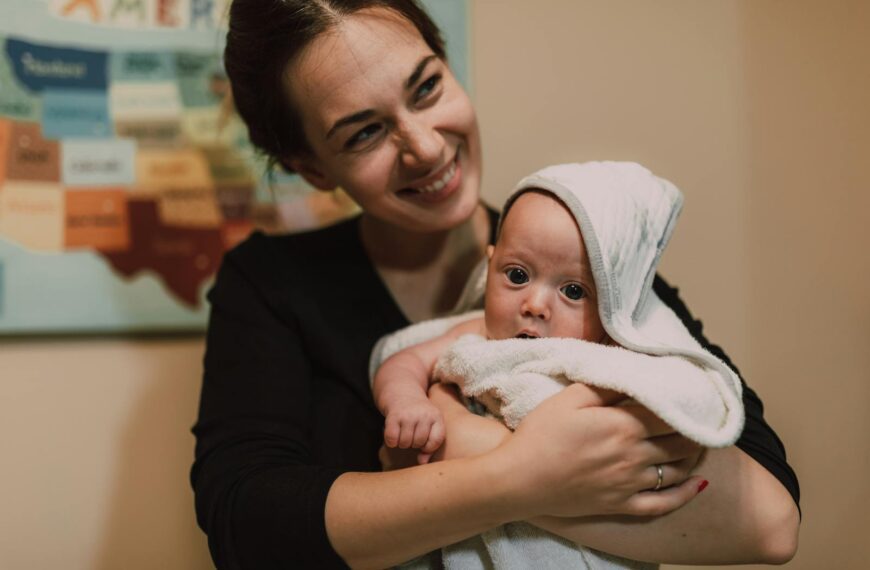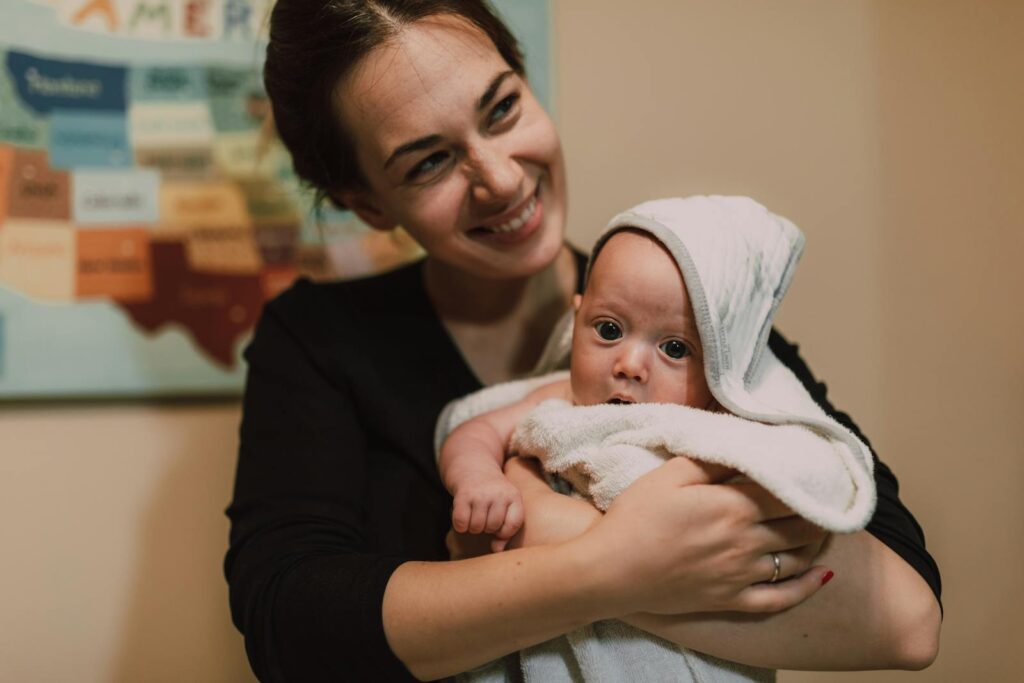
The story sounds like a modern fairy tale gone sideways: a Massachusetts woman takes a DNA test, finds two half-sisters she never knew she had, poses for smiling reunion photos, then heads straight to court to demand a cut of their $28 million windfall. What started as a search for roots has turned into a high-stakes family feud over a wrongful death payout and what it really means to be a child of the deceased. The case is now a flashpoint for how consumer genetics, inheritance law, and raw human emotion collide.
At the center is Carmen Thomas, who says a 23andMe result proved she is the biological daughter of the man whose estate funded that multimillion dollar judgment. Her sisters, who grew up with him, say the money is compensation for the years they spent watching their father suffer, not a pot of gold for anyone who shares his DNA. Between those positions sits a court that has to decide whether a long-lost sibling can legally, and maybe morally, horn in on a life-changing payout.

The DNA test that rewrote a family tree
The chain reaction started the way it does for a lot of people now, with a mail-in kit and a curiosity about family history. According to multiple accounts, a woman from Massachusetts used a consumer DNA service to learn more about her background and instead uncovered two likely half-sisters. The test flagged a close genetic match, and the women began talking, comparing stories, and piecing together how their lives had been running in parallel for decades without ever crossing. For the newcomer, who had grown up without this branch of her family, the discovery promised answers about identity and medical history that traditional paper records had never delivered.
Those early conversations quickly moved offline. Reports describe how the women arranged an in-person meeting, trading messages and photos as they built up to what looked like a heartfelt reunion. The Massachusetts woman shared images of that first get-together on social media, presenting it as a joyful moment of connection after the DNA results confirmed the half-sister relationship. One account notes that she connected with her likely half-sisters after using a DNA test kit to find more information about her biological relatives, only to learn that the man they shared had died five years earlier.
From smiling selfies to a $28 million lawsuit
Whatever warmth existed in those first days did not last long. The turning point came when the Massachusetts woman learned that her newly discovered sisters had secured a massive wrongful death judgment tied to their father’s medical care. Court filings say the payout was worth $28 million, a figure that instantly transformed the emotional stakes of this late-in-life reunion. Within weeks of meeting, the newcomer filed suit, arguing that as a biological child she was entitled to a share of the judgment and had effectively been cut out of the case.
Coverage of the complaint describes it as an attempt to claim part of a $28.8 million award that the sisters had obtained for what was described as a delayed diagnosis and related harm to their father. One report notes that a Massachusetts woman discovered two long-lost half-sisters through a DNA test and then sued them for a $28.8 million share tied to that delayed diagnosis. Another legal summary frames the case as a payout fight that erupted in the wake of an ancestry service’s DNA test, with a Lexington based plaintiff trying to tap into a $28 million judgment that had already been awarded.
Who is Carmen Thomas, the plaintiff at the center?
The woman driving the lawsuit has been identified as Carmen Thomas, and she has not exactly stayed in the background. In social media posts highlighted in coverage, Carmen Thomas shared pictures from that first meeting with her half-sisters, presenting herself as someone finally finding her people. She has said she took the test to understand her heritage, not to chase money, and that she only learned about the wrongful death case after the DNA match connected her to the family. In her telling, the lawsuit is about fairness, not opportunism, because she believes she should have been included from the start.
Her critics, including people commenting on the case online, see it very differently. A widely shared post about the dispute refers to a Woman who tried to horn in on her sisters’ $28M inheritance after discovering a family tie on 23andMe, with commenters blasting the move as greedy and accusing her of exploiting a tragedy. That online backlash has shaped how the public sees Thomas, even as she insists she is simply asserting rights that any biological child would expect to have.
Inside the sisters’ $28 million wrongful death win
To understand why the lawsuit hit such a nerve, it helps to look at what the $28 million actually represents. The two sisters who grew up with their father spent years pursuing a wrongful death case over what they say was a catastrophic failure in his medical care. According to legal summaries, the judgment was tied to a delayed diagnosis that left him without timely treatment, and the final award reached $28.8 million. For them, that money is not a lottery ticket but a legal recognition of the suffering they watched up close and the loss of a parent they actually knew.
One report describes how a Massach based case produced that $28.8 million figure after the court agreed that the delayed diagnosis had devastating consequences. Another legal analysis of a similar dispute notes that a Lexington plaintiff tried to intervene after an ancestry service’s Lexingto based family had already secured a $28 million judgment, underscoring how these payouts can become magnets for late-arriving heirs once the numbers go public.
How the reunion soured almost overnight
From the outside, the speed of the shift from hugs to legal briefs is jarring. Social posts show Carmen Thomas meeting her sisters just weeks before the verdict in the wrongful death case, smiling in photos that suggested a fresh start. One account notes that Thomas met the sisters just weeks before the verdict, sharing photos online of what looked like a joyful first meeting. But once she learned about the size of the settlement, the tone changed, and the relationship moved from group chats to court filings.
Lawyers for the sisters have painted that pivot in stark terms. In one filing, their attorney Thomas is quoted as saying that Then, once Thomas learned of the settlement, everything quickly unraveled. He described the lawsuit as the Plaintiff’s gambit to obtain an unearned share of money that was never meant to function like a general inheritance. That framing has become central to the defense: the idea that the payout compensates specific people for specific harms, and that a late-arriving biological child cannot simply plug into that equation after the fact.
What the lawsuit actually argues
Strip away the social media drama and the complaint itself is pretty straightforward. Carmen Thomas is asking the court to recognize her as a legal child of the deceased and to treat the wrongful death judgment as an asset that should be shared among all of his offspring. She points to the DNA match as proof of paternity and argues that she was effectively an omitted child, left out of the case only because no one knew she existed. In her view, the law should not punish her for that absence, especially when modern testing has now confirmed the biological link.
The defense has pushed back hard on that logic. In their telling, the wrongful death award is not a generic estate but a targeted remedy for the daughters who lived through their father’s decline, sat through the trial, and bore the emotional cost of reliving his final years. One legal analysis of the dispute notes that the Plaintiff is trying to recast that targeted compensation as a broad inheritance, something the sisters’ lawyer calls a fundamental misreading of what the judgment was meant to do.
How Massachusetts law treats “omitted” children
Underneath the family drama sits a very technical question: what does Massachusetts law actually say about children who were not known when a will or estate plan was put together? The state has an omitted child statute that can give after-born or previously unknown children a path to claim a share of certain assets. According to one legal explainer, Massachusetts law provides that an omitted child can only take their share of real property if a claim is filed in the Registry of Probate within one year after the death of the decedent. That timing requirement alone could be a major hurdle for someone who only discovered the relationship years later through a DNA test.
There is also the question of what counts as the kind of property that statute covers. Wrongful death awards are not always treated like ordinary estate assets, and courts often look at who brought the claim, who bore the costs, and how the statute that created the cause of action allocates any recovery. The omitted child rules that apply to a house or a bank account might not map neatly onto a judgment that was structured to compensate specific survivors for specific harms. That is the legal thicket the court will have to navigate as it weighs Thomas’s claim against the sisters’ argument that the money should stay where it is.
The 23andMe effect on inheritance fights
Whatever the outcome, the case is part of a much bigger trend: DNA kits turning up surprise relatives and, with them, surprise legal claims. Consumer genetics companies like 23andMe have made it easy for people to uncover hidden paternity, half-siblings, and entire branches of family trees that were kept quiet for decades. In this dispute, reports say the long-lost sister stormed in to claim a $28 million inheritance after a shocking 23andMe DNA reveal, with the story centering on Joseph Brown, 43, whose case produced the massive payout. That kind of narrative is becoming familiar in probate courts around the country.
Legal observers have already started to track how these tests are reshaping family law. One analysis of a similar dispute described how a DNA test connected half-sisters and spawned a payout fight after a Lexington family had already secured a $28 million judgment. The pattern is clear: once a big number is on the table and a genetic link is established, courts are being asked to decide whether biology alone is enough to open the door to the money.
Public reaction and what it says about family and money
Outside the courtroom, the story has become a kind of Rorschach test for how people think about family, obligation, and cash. Some see Carmen Thomas as a victim of secrecy who is simply asking to be treated like any other child of the deceased. Others see her as the embodiment of everything that can go wrong when DNA kits and giant settlements collide. A widely shared write-up framed it as a Woman who sued to horn in on her sisters’ $28M inheritance after discovering a family tie on 23andMe, and the comments under that story are full of people accusing her of prioritizing money over any genuine desire for connection.
At the same time, some readers point out that if the roles were reversed, and a father had quietly supported a child outside his main household, few would argue that child should be cut out of everything just because the truth came out late. The emotional charge of this case comes from that tension between legal rights and lived relationships. One detailed account of the Massachusetts woman’s journey notes that she connected with her likely half-sisters after using a Thomas met timeline, only to have the relationship collapse under the weight of the settlement and the way the company handles customers’ genetic data. That mix of hope, betrayal, and legal complexity is exactly why this long-lost sibling’s $28 million lawsuit has captured so much attention.
More from Decluttering Mom: