
Lululemon’s latest attempt to reinvent the workout legging turned into a public headache, as its new Get Low line was yanked from the brand’s website after customers blasted the fabric for being embarrassingly sheer. What started as a few annoyed reviews quickly snowballed into viral posts, forcing the company to pause online sales and rethink how it talks about a product that is not, in its own words, fully “squat proof.” The episode has reopened old wounds for the brand and raised fresh questions about how much transparency shoppers should expect from premium activewear.
The controversy is not just about one pair of leggings, it is about a company that built its reputation on technical performance suddenly being roasted for basics like coverage and fit. As complaints spread, Lululemon scrambled to reassure its core fans, tweak its messaging, and quietly bring the Get Low leggings back with caveats that would have been unthinkable a few years ago. For a label that sells itself on confidence and polish, the optics of this stumble are almost as uncomfortable as the product feedback.
How the Get Low launch unraveled so fast
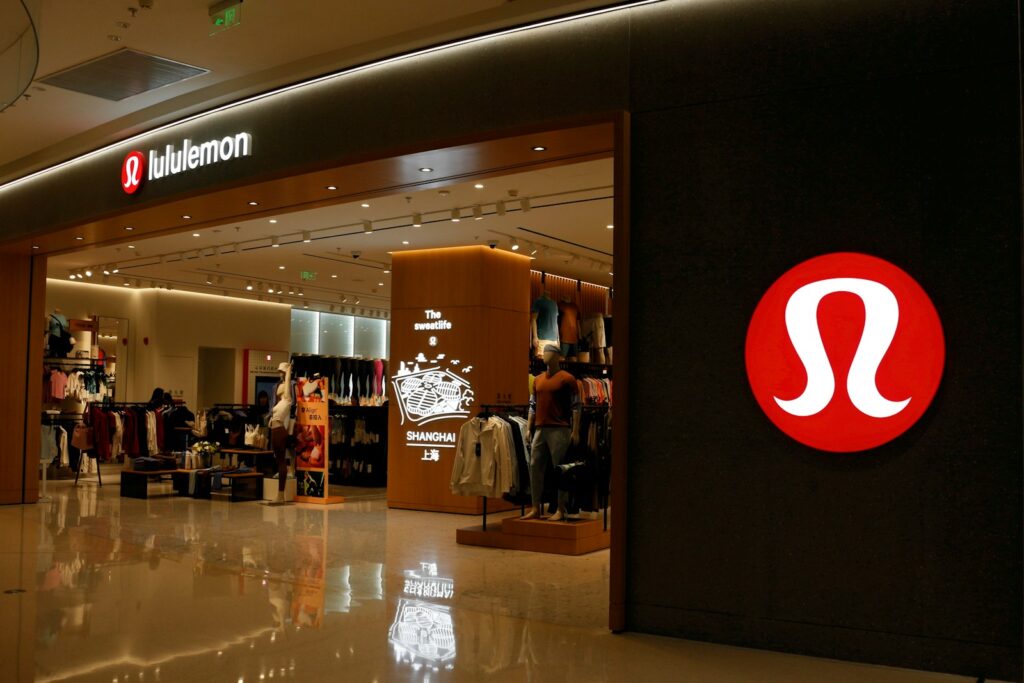
The Get Low collection was supposed to be Lululemon’s next big hit, a lower rise, more relaxed take on its classic leggings that still promised technical performance. Instead, within days of launch, the company was already pausing online sales after shoppers complained that the fabric turned sheer the moment they bent or squatted, a problem that echoed earlier issues with other ranges. Reporting on the rollout notes that Lululemon Get Low leggings were pulled from digital shelves almost as soon as they appeared, a rare retreat for a brand that usually leans into hype.
Behind the scenes, the company framed the move as a “pause” in online sales rather than a formal recall, but the effect was the same for shoppers who suddenly found product pages empty. Coverage of the decision described how the brand acknowledged that some styles were not fully “Squat Proof,” a phrase that appeared in critical analysis of the launch and underscored just how basic the failure was for a performance legging. The speed of the reversal suggested that Lululemon had been caught off guard by the volume and tone of early feedback, even as analysts like JPMorgan’s Matthew Boss were already weighing in on what the stumble meant for a company that has long sold itself as the gold standard in premium athleisure.
Customer complaints go viral and hit the brand where it hurts
The real damage did not come from a single bad batch of fabric, it came from the way frustrated customers turned their disappointment into viral content. Shoppers posted try-on clips and blunt reviews describing how the Get Low leggings went see-through in normal gym lighting, echoing concerns that Customers had already raised about other collections. Some compared the new line to the earlier Day Drift range, which had also drawn criticism for sheerness, suggesting that the company had not fully solved a problem it knew existed.
As more posts circulated, the tone shifted from annoyance to mockery, with people joking that the leggings were better suited to a costume party than a squat rack. One detailed account of the backlash noted that shoppers explicitly linked Get Low to the Day Drift collection, which had previously been pulled due to customer complaints. That history made it harder for Lululemon to dismiss the uproar as a one-off glitch and instead forced the brand to confront a pattern that shoppers clearly recognized.
LULULEMON’s scramble to pull the leggings from its site
Once the backlash hit critical mass, LULULEMON moved quickly to get the Get Low leggings off its website, even as the product remained available in some physical stores. One detailed account of the move explained that LULULEMON removed the new Get Low leggings from its online storefront on a Tuesday after a wave of quality complaints, a timing that underscored how quickly the company felt compelled to act. The same reporting described the episode as a LEGGINGS RECALL in all but name, even if the brand avoided that specific label in its own messaging.
Another breakdown of the controversy emphasized that Lululemon was effectively forced to remove the product after humiliating customer complaints went viral, turning what might have been a quiet product tweak into a public relations headache. The language of LEGGINGS and RECALL in that coverage captured how consumers perceived the move, regardless of the softer phrasing in corporate statements. For a brand that usually choreographs its product drops down to the last detail, having to yank a new line mid-launch was a rare and very visible misstep.
North American shoppers at the center of the storm
While Lululemon sells globally, the Get Low controversy was very much a North American story, shaped by the region’s social media habits and the brand’s heavy retail footprint there. One widely shared clip described how Lululemon was pulling a new style of leggings from its North American website after customers complained the fabric was see-through, even as the same product continued to be sold in stores for $115. That split between online and in-store availability frustrated some shoppers, who felt the company was more focused on containing the optics than on fixing the underlying issue.
The decision to limit the pause to digital channels also highlighted how central e-commerce has become to Lululemon’s growth strategy. Another report on the move noted that the brand’s North American site was scrubbed of the Get Low leggings while staff in physical locations were left to field questions from confused regulars who had seen the viral posts. For a company that encourages fans to check its app and website for the latest Lululemon drops, the sudden disappearance of a headline product sent a clear signal that something had gone seriously off script.
From halt to “how to wear it”: the Get Low comeback
After a brief digital exile, Lululemon Athletica quietly brought the Get Low leggings back online, but this time with a very different tone. Coverage of the relaunch noted that the product page now includes specific advice on how to wear the line, with guidance to size up and pair the leggings with skin tone underwear to avoid unwanted exposure. One detailed account explained that the brand resumed selling its new line of Get Low leggings while adding language meant to “better support guest purchase decisions,” a phrase highlighted in reporting by Lisa Fickenscher.
Another analysis of the updated listing pointed out that the leggings were Pulled after complaints that they were see-through, and that the new copy explicitly tells shoppers to size up and wear skin-tone underwear. That kind of caveat is unusual for a premium performance brand, and it effectively shifts some responsibility back onto the customer to manage the product’s limitations. For fans used to throwing on a pair of Aligns or Fast and Free tights without a second thought, being told to strategize their underwear and sizing for basic coverage feels like a step backward.
Echoes of the “long butt” saga and other Lululemon misfires
The Get Low drama did not happen in a vacuum, it landed on top of a recent history of fit and design controversies that have chipped away at Lululemon’s aura of infallibility. Over the summer, the brand pulled another leggings line after shoppers complained that the back seam created an unflattering “long butt” effect, turning the product into a meme. One report described how Lululemon pulled the new leggings after customers said it gave them “long butt,” with the Activewear company promising to study the feedback and incorporate it into future designs.
Another deep dive into that episode noted that Lululemon’s “long butt” leggings were snatched off shelves after customer complaints, with writer Chloe Berger detailing how the back seam left wearers wondering what exactly the design team had in mind. A related broadcast segment joked that lululemon had pulled its new leggings line after it literally became the butt of endless jokes, pointing out that the $98 Breeze Through leggings had quickly turned into a cautionary tale, a detail captured in a clip that highlighted the $98 price tag. When the Get Low complaints surfaced, many shoppers immediately connected the dots, seeing a pattern of misjudged designs rather than isolated flukes.
How Lululemon is trying to manage the narrative
Publicly, Lululemon has tried to strike a balance between acknowledging the complaints and defending the overall quality of its products. In an emailed statement referenced in coverage of the Get Low saga, the company said it expected to bring the leggings back online after updating the product description to help shoppers make more informed choices, while continuing to sell the line in physical stores in North America. One detailed report explained that Lululemon framed the move as a way to “better support guest purchase decisions,” language that mirrors the updated product page.
At the same time, the company has leaned on its broader brand halo, pointing shoppers toward other tried and tested styles and reminding them that availability and color options change regularly. Reviews of staples like the Fast and Free tights, for example, encourage customers to check current options on the product page of lululemon’s website, reinforcing the idea that the brand still has a deep bench of reliable gear. By positioning Get Low as one experimental line among many, Lululemon is effectively asking loyalists to treat the misstep as a blip rather than a sign that the entire design machine is off track.
The NFL tie-in and the stakes for Lululemon Athletica
The timing of the Get Low controversy is especially awkward given Lululemon Athletica’s push into higher profile partnerships and performance categories. The company has been working with major sports properties, including a collaboration where Lululemon partners with the NFL to release an apparel line, a move discussed by Jackie DeAngelis and The Big Money Show panel in the context of the brand’s growth strategy. When a company is trying to convince football fans and serious athletes that its gear can handle real performance, headlines about see-through leggings undercut that message.
Commentary around the Get Low pause noted that a company spokesperson for Lululemon Athletica had to field questions not just about one product, but about what the incident said regarding quality control at a brand that charges triple digits for basics. Analysts pointed out that while the financial hit from pulling one line is limited, the reputational risk is larger, especially as competitors crowd into the same premium space. For a company that has built a lifestyle around the idea that its clothes simply work, every viral complaint chips away at that promise.
More from Decluttering Mom: