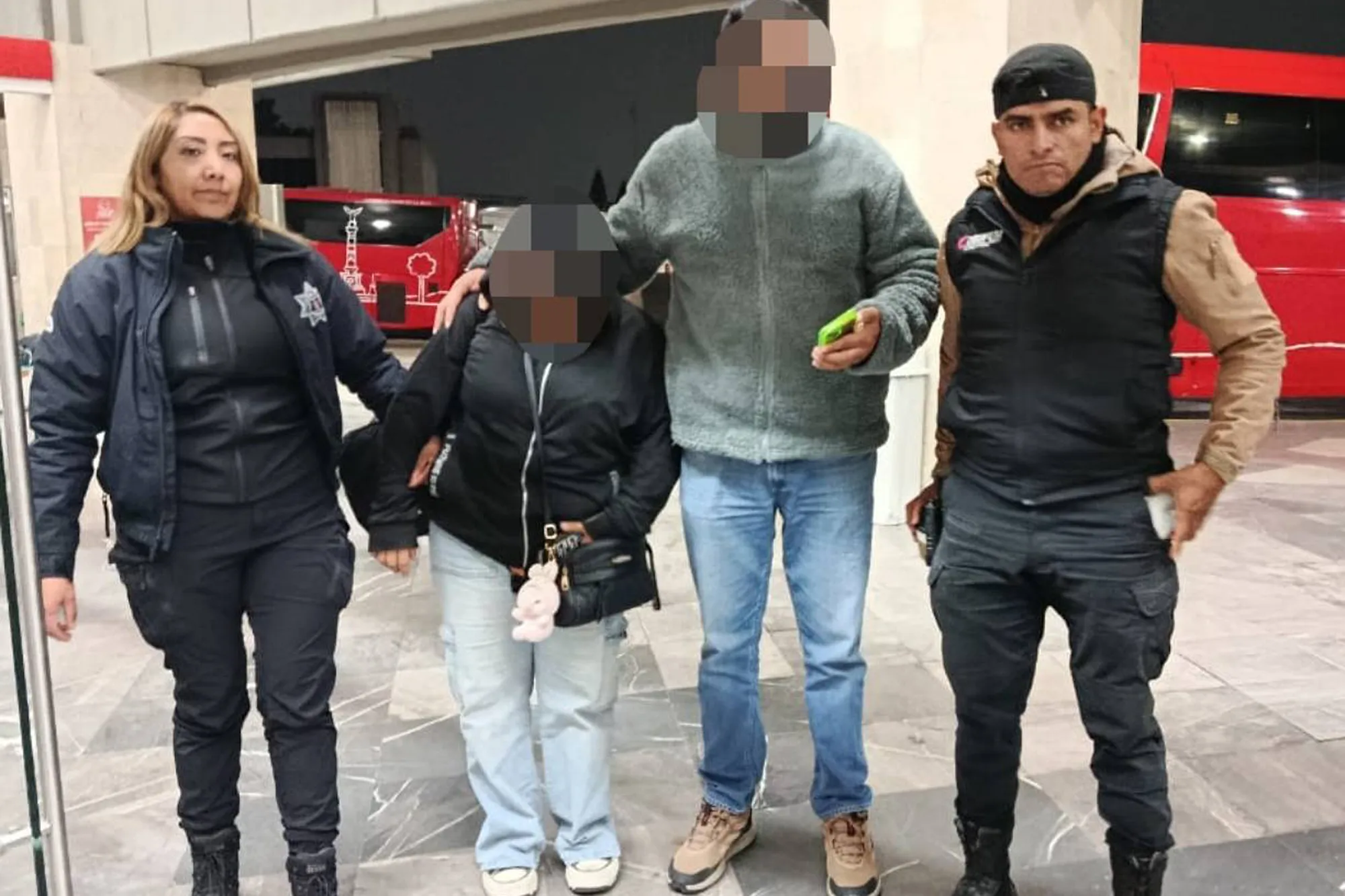
A man in Mexico is accused of using the chat feature inside the online game Roblox to persuade two girls, ages 10 and 16, to leave their home and travel with him toward Mexico City. The case, which began as a missing persons search and ended with the girls being found alive at a bus terminal, has intensified scrutiny of how predators can exploit children’s games that parents often assume are safe. It also lands at a moment when Roblox is already facing lawsuits and public pressure over how it polices grooming and sexual exploitation on its platform.
Authorities say the girls were contacted through Roblox, then allegedly groomed until they agreed to sneak out, highlighting how quickly a casual in-game conversation can spill into the real world. Families, advocates and lawyers now point to this incident as part of a broader pattern in which online predators use chat tools inside games to build trust, move conversations to private channels and, in the most alarming cases, arrange in-person meetings.
The alleged Roblox approach that drew two girls out of their home
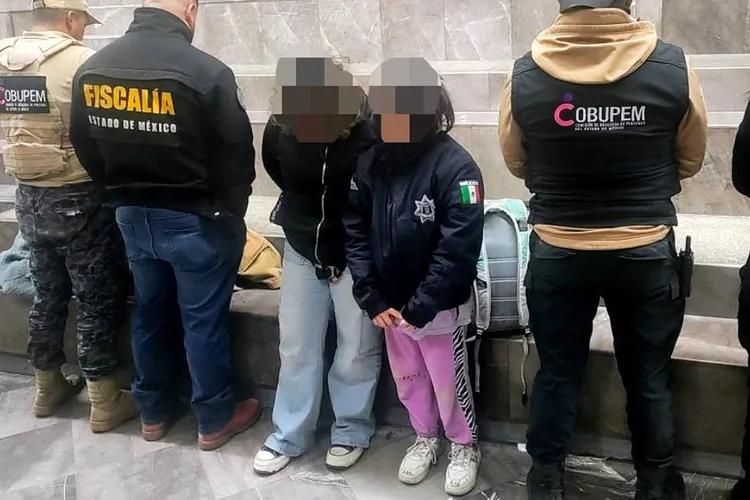
Investigators in Mexico say the man first made contact with the 10-year-old and 16-year-old through Roblox’s in-game chat, then used that channel to build a relationship that ultimately convinced them to leave their home in Nezahualcóyotl. The girls, described in reports as Two minors who regularly played the game, were allegedly persuaded to pack bags and slip away without telling their family, a pattern that mirrors classic grooming tactics adapted to a digital setting. Officials have emphasized that the suspect did not need sophisticated hacking tools, only time, persistence and the credibility that comes from meeting a child inside a game they already trust.
Once the girls were missing, relatives and neighbors raised the alarm, and local authorities began tracing their digital activity, including their interactions on Roblox. According to public security officials, the man allegedly used the chat feature to coordinate a meeting point and travel plans, turning what began as online play into a real-world rendezvous. The case has been widely described as a situation in which a man allegedly lured the Girls, Ages 10 and 16, from Their Home by Using Online Game Roblox, a formulation that underscores how central the platform’s communication tools were to the alleged crime.
From Nezahualcóyotl to a Mexico City bus terminal
The disappearance began in Nezahualcóyotl, a densely populated municipality in the State of Mexico where the family of the 16-year-old, identified as Mary Beabey, quickly realized something was wrong when the girls did not return. Relatives contacted authorities and pressed for an immediate search, fearing that the online contact who had been speaking with the girls on Roblox might have convinced them to travel. Officials initially checked locations in the local area but did not locate the minors, prompting a broader alert that extended into Mexico City and other states.
That wider search eventually led investigators to a bus terminal in Mexico City, where the Two missing girls were found alive with the man who had allegedly been communicating with them online. Authorities say the suspect had traveled from another part of Mexico and that the girls may have been preparing to continue on to a different destination when they were intercepted. The recovery of the children at the terminal, after they had been reported missing from their home in Mexico, has been cited in official summaries as a key example of how a man using Roblox’s chat feature can move a case from digital grooming to physical relocation across Mexico in a short span of time.
Parents’ ‘dire’ fears and a race against time
For the families, the hours between realizing the girls were gone and learning they had been found were filled with what one report described as “dire” fear that the 16-year-old had been groomed and taken far from home. Nezahualcóyotl residents Mary Beabey, 16, and her 10-year-old companion were reported missing after relatives noticed that their usual online activity had shifted and that they were no longer responding to messages. Parents told reporters they worried that the person behind the Roblox account had manipulated the teens into believing they were safe, a dynamic that often leaves families feeling blindsided when a child who seemed cautious suddenly vanishes.
Authorities said they initially went to an address in Campeche after gathering information that suggested the suspect might have traveled there, only to later determine that the girls had instead moved toward the capital. According to the information gathered by investigators, the minors were to be safeguarded by specialized personnel once located, a protocol that reflects concern about both their physical safety and the psychological impact of grooming. At the time some early reports were published, officials noted that the girls’ social media accounts were active during their absences, a detail that reinforced parents’ belief that the online contact through Roblox and other platforms was ongoing even as the search unfolded.
How investigators say the online grooming unfolded
Officials have not released a full transcript of the Roblox conversations, but their public statements sketch a familiar pattern of online grooming. The man is alleged to have first engaged the girls in casual chat about the game, then gradually shifted to more personal topics, asking about their daily lives, frustrations and relationships at home. Over time, that kind of attention can make a young person feel uniquely understood, especially when the contact presents himself as a peer or slightly older friend who shares their interests. In this case, authorities say the suspect eventually suggested meeting in person and framed the trip as an adventure, a tactic that can be particularly effective with adolescents seeking independence.
Experts who study online exploitation note that predators often use in-game chat to test boundaries, asking for small favors or secrets before escalating to riskier requests. In the Mexico case, officials have said the man used Roblox’s chat feature to coordinate logistics, including when the girls should leave and where they would meet, which turned the digital grooming into a concrete plan. Public security agencies later shared that the Two minors were found with the suspect at a bus terminal in Mexico City, a detail that has been widely cited in coverage of how a man on Roblox allegedly moved from online contact to physical control over his victims.
Roblox’s safety promises under renewed scrutiny
The case has intensified questions about whether Roblox’s existing safety tools are enough to protect children who make up a large share of its user base. The company markets itself as a platform where kids can create and play games, and it has long highlighted content filters, chat restrictions and reporting systems as safeguards. Yet the fact that a man could allegedly use the chat feature to lure Two minors out of their home in Mexico has led parents and advocates to argue that those protections are not catching determined predators who adapt their language to slip past automated filters.
Roblox is already at the center of legal and public relations battles over similar allegations. In one case from Johnson County, court documents describe how a man began to groom a 10-year-old girl through the platform, eventually coercing her into sexual acts, which he then recorded. The family in that case has argued that Roblox failed to adequately monitor interactions and did not respond quickly enough to warning signs, a claim that has been detailed in Court filings that describe Roblox as a central venue for the abuse rather than a neutral backdrop.
Lawsuits from families who say Roblox did not protect their children
Beyond Mexico, Roblox is facing a growing wave of litigation from families who say the company failed to protect their children from sexual exploitation. Earlier this month, a Family filed suit alleging that Roblox did not do enough to stop an adult from coercing their 12-year-old daughter into sending sexually explicit photos. According to the complaint, the predator used the platform to initiate contact, then moved the conversation to other apps while maintaining the trust built inside the game, a pattern that mirrors what investigators describe in the Nezahualcóyotl case.
The lawsuit, which has been highlighted by Action News Jax, argues that Roblox’s safety measures and moderation systems are inadequate for a platform that attracts millions of children. It notes that the company promotes itself as a safe environment even as parents in multiple jurisdictions come forward with stories of grooming, extortion and explicit image sharing. In that coverage, the phrase “38 Weather Alert, Freeze” appears in the page header as part of a local forecast, an odd juxtaposition that underscores how reports of online child exploitation now sit alongside everyday news, reflecting how pervasive and normalized these dangers have become in the digital lives of families.
Patterns across cases: from Mexico to Johnson County
When the Mexico case is set alongside the Johnson County lawsuit and other complaints, a pattern emerges in how predators exploit Roblox’s design. In each instance, the adult begins by blending into the game’s social environment, using avatars and casual chat to appear harmless. Over time, they identify vulnerable children, often those who spend long hours online or share details about feeling isolated, and then escalate the interaction into private conversations, requests for secrecy and, in the most severe cases, plans for in-person meetings or demands for explicit content. The alleged luring of Two girls from their home in Nezahualcóyotl fits this template, with the man using the chat feature to move from playful banter to travel coordination.
Legal filings from Johnson County describe how the man who targeted the 10-year-old girl used Roblox to gather information about her family, schedule and emotional state before pressuring her into sexual acts that he recorded, a level of manipulation that goes far beyond what most parents imagine when they think of an online game. In Mexico, security officials have said that the suspect similarly used information gleaned from conversations to time the girls’ departure and avoid immediate detection. Together, these cases suggest that Roblox’s combination of young users, user-generated content and real-time chat can create fertile ground for grooming if safeguards and human moderation do not keep pace with the tactics described in Roblox court documents.
What Mexican authorities say about the rescue and next steps
Mexican public security officials have framed the rescue of the Two girls at the Mexico City bus terminal as a success story for rapid coordination between local and federal agencies. According to their account, once the link to Roblox was identified, investigators worked to trace digital footprints and cross reference them with transportation records and surveillance footage. The Secretaría General de Seguridad Ciudadana shared images and details of the operation on social media, emphasizing that specialized personnel were assigned to care for the minors immediately after they were recovered from the suspect’s custody.
Authorities have also used the case to warn parents about the risks of unsupervised online gaming, particularly when children are interacting with strangers in chat rooms. Officials stressed that the man allegedly used the same tools available to any player, including private messages and friend requests, to build trust with the girls before persuading them to leave Nezahualcóyotl. In public statements, they have urged families to monitor who their children are talking to on platforms like Roblox, and to treat any sudden changes in behavior or unexplained plans to meet “friends” as potential red flags that warrant immediate attention.
Why this case is a warning for parents and platforms alike
The alleged luring of Two girls, Ages 10 and 16, from Their Home in Mexico by a man using Roblox’s chat feature has become a touchstone in a broader debate about children’s safety in digital spaces. For parents, it is a stark reminder that even platforms marketed as creative playgrounds can be exploited by adults who understand how to manipulate trust and curiosity. For companies like Roblox, it raises urgent questions about whether automated filters, age gates and reporting tools are sufficient when predators are willing to invest time in grooming and when children may not recognize early warning signs.
More from Decluttering Mom: