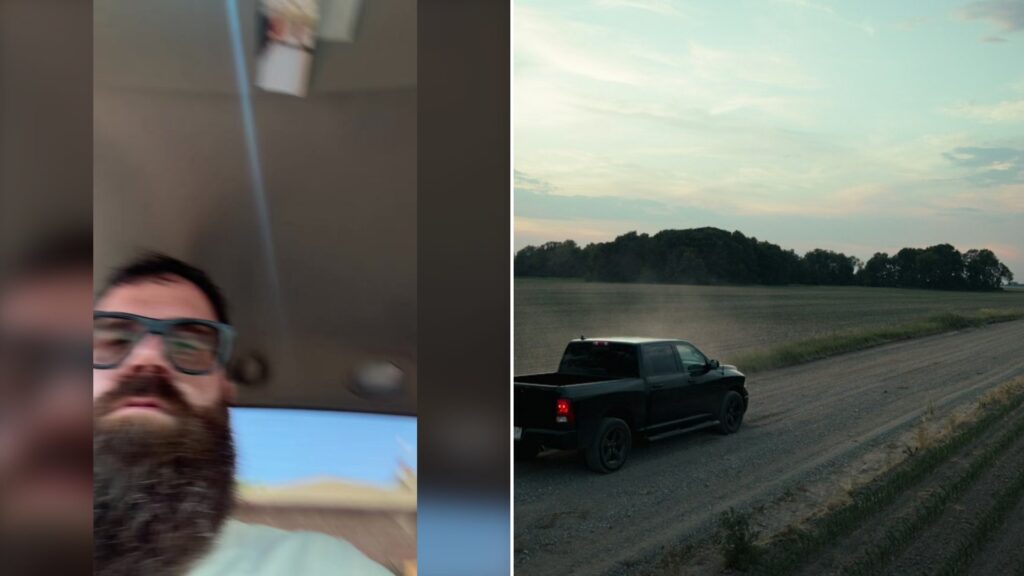
It looked like a simple deal. A man who posts as @falvi536 handed over $70 in cash for a used bike from a seller on the street, and he made sure the cash handoff was caught on camera. Not long after, he was stopped by another man who looked at the bike and said it belonged to him, that it had been stolen, and that he wanted it back. What followed was a tense, awkward standoff that raises a question plenty of people never think about until it happens to them: who really owns a bike that changed hands on a sidewalk?
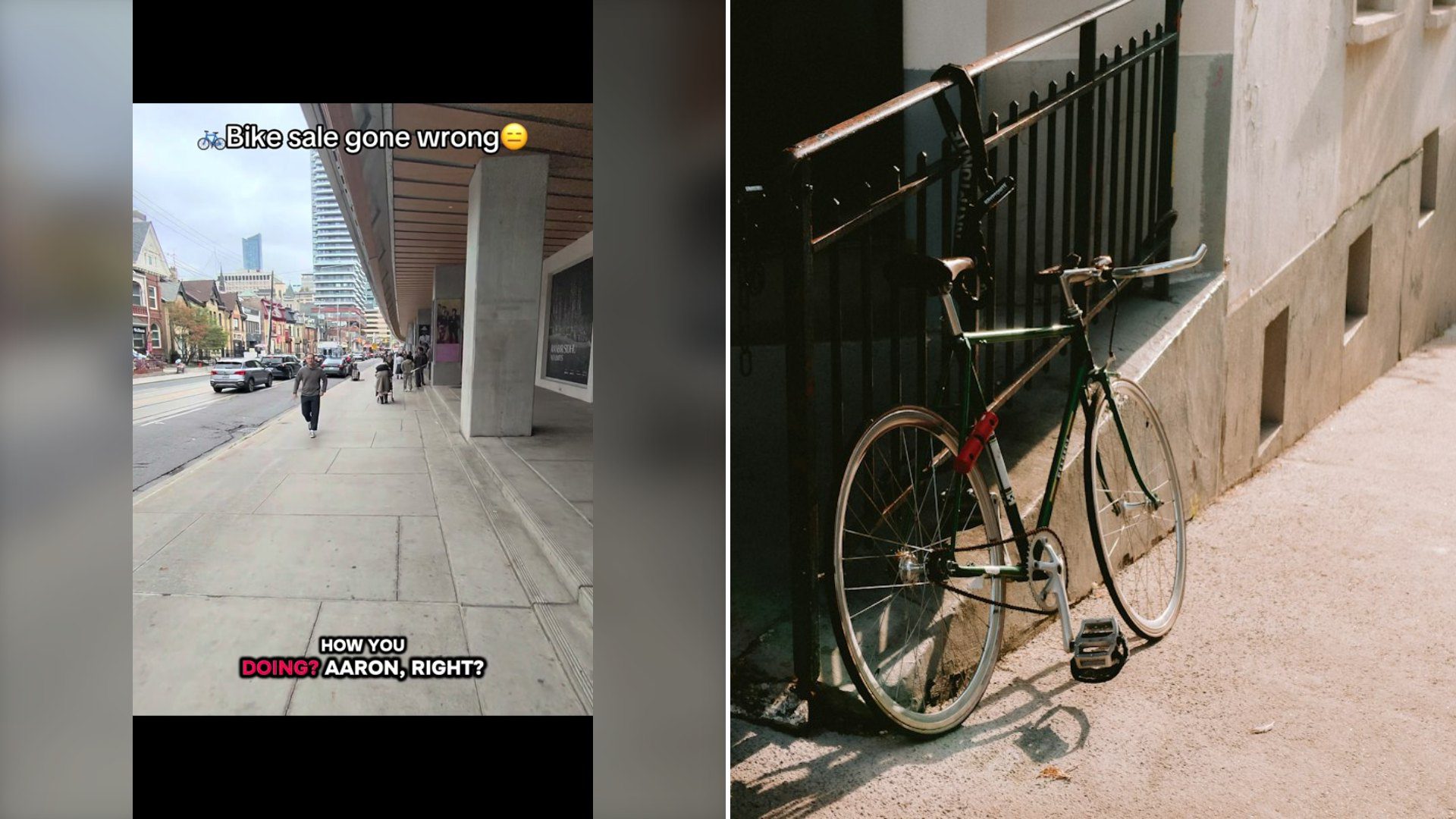
The clip includes footage of the purchase itself. A fifty changes hands, then a twenty, the money is counted, and there is a friendly thank you for the business. It is a quick, friendly exchange, the kind that happens every day in cities all over the country.
Then the mood shifts. Another man approaches, and the buyer immediately pushes back. “I didn’t steal it from you,” he says. “I bought it from somebody. I have a video of me buying it from somebody.” He offers to show the footage, and he does, pointing out the cash he paid. Asked how much, he answers, “I bought it for 70 bucks.”
The audio from there is muddled, with both men talking over each other, but the basics are clear. The buyer insists he paid for the bike fairly. He also says he is willing to hand it over if the other man goes through the proper channels. “This is not how this works, man,” he says. “You go to the police. If you get a police report and stuff, I’ll give it back. No problem.”
@falvi536
The man claiming the bike asks whether the buyer will go with him to the police station and presses him for proof. The buyer repeats that he did nothing wrong. “I paid for this bike, though,” he says. At one point, the other man appears to say he has video of the bike being taken, and he keeps asking whether the buyer has proof of purchase. The clip ends without a clear resolution. The buyer posted it with a simple question: “What would you have done in this situation?”
The Hard Truth About Buying a Stolen Item
It is a fair question, and the answer may surprise some people. In most of the United States, a person who unknowingly buys stolen property generally does not become its legal owner. A thief cannot pass along ownership he never had, so the original owner usually has the right to get the item back, even if the buyer paid in good faith. That often leaves the innocent buyer out both the item and the money, with their only option being to go after the seller, who is usually long gone.
That is why the buyer’s instinct in this video makes sense. Bringing in the police, rather than settling it in a heated sidewalk argument, protects everyone. An officer can check whether a theft report exists, compare serial numbers and sort out the facts without anyone getting hurt.
How to Avoid Buying a Stolen Bike
Used bikes can be a great bargain, but a price that seems too good to be true is often a warning sign. Before you hand over cash, keep these tips in mind.
Check the serial number. Most bikes have a serial number stamped on the underside of the frame near the pedals. Ask to see it. If it has been scratched off or filed down, walk away. You can also look the number up on free online bike registries that track reported thefts.
Ask questions. An honest seller can usually tell you where they bought the bike, how long they have owned it and why they are selling. Vague answers, a rush to close the deal or an unwillingness to meet anywhere but a random spot are red flags.
Get it in writing. A simple bill of sale with the date, price, description, serial number and the seller’s name and phone number is your best protection. A photo of the seller’s ID is even better if they are willing.
Meet in a safe, public place. Many police departments offer safe exchange zones for exactly these kinds of sales. A seller who refuses to meet there may have something to hide.
What to Do If Your Own Bike Is Stolen
The other side of this story matters too. If you ever spot what you believe is your stolen bike, the safest move is not to confront the rider. Call the police instead, and let them handle it. Confrontations can escalate quickly, and you could be mistaken.
You can make recovery much easier by preparing now. Write down your bike’s serial number and keep it with your important papers. Take clear photos of the bike, including any scratches, stickers or custom parts that make it unique. Register it with a bike registry and keep your purchase receipt. If it is ever stolen, file a police report right away and share those details. Check local online marketplaces and pawn shops in the days that follow, since stolen bikes are often resold quickly.
Finally, lock it well. A sturdy U-lock through the frame and a wheel, attached to something solid, stops many quick thefts. Cable locks alone are much easier to cut.
In this video, two men are left staring at the same bike, each convinced he is in the right. One paid for it. The other says it was taken from him. Paperwork, serial numbers and a police report are what would have settled it, and they are worth having before you ever need them.
More From Decluttering Mom
- Reseller Buys Six Salty Crew Shirts for Six Dollars Total at a Yard Sale and Plans to List Them Online for About Thirty Dollars to Turn a Quick Profit
- Minimalist Trends That Make One Woman Furious Are Listed by a Channel That Says Less Is Not Always More
- Thrift Store Secrets That Surprised Shoppers the Most Are Revealed by One Lazy Thrifter and Resellers Take Notes