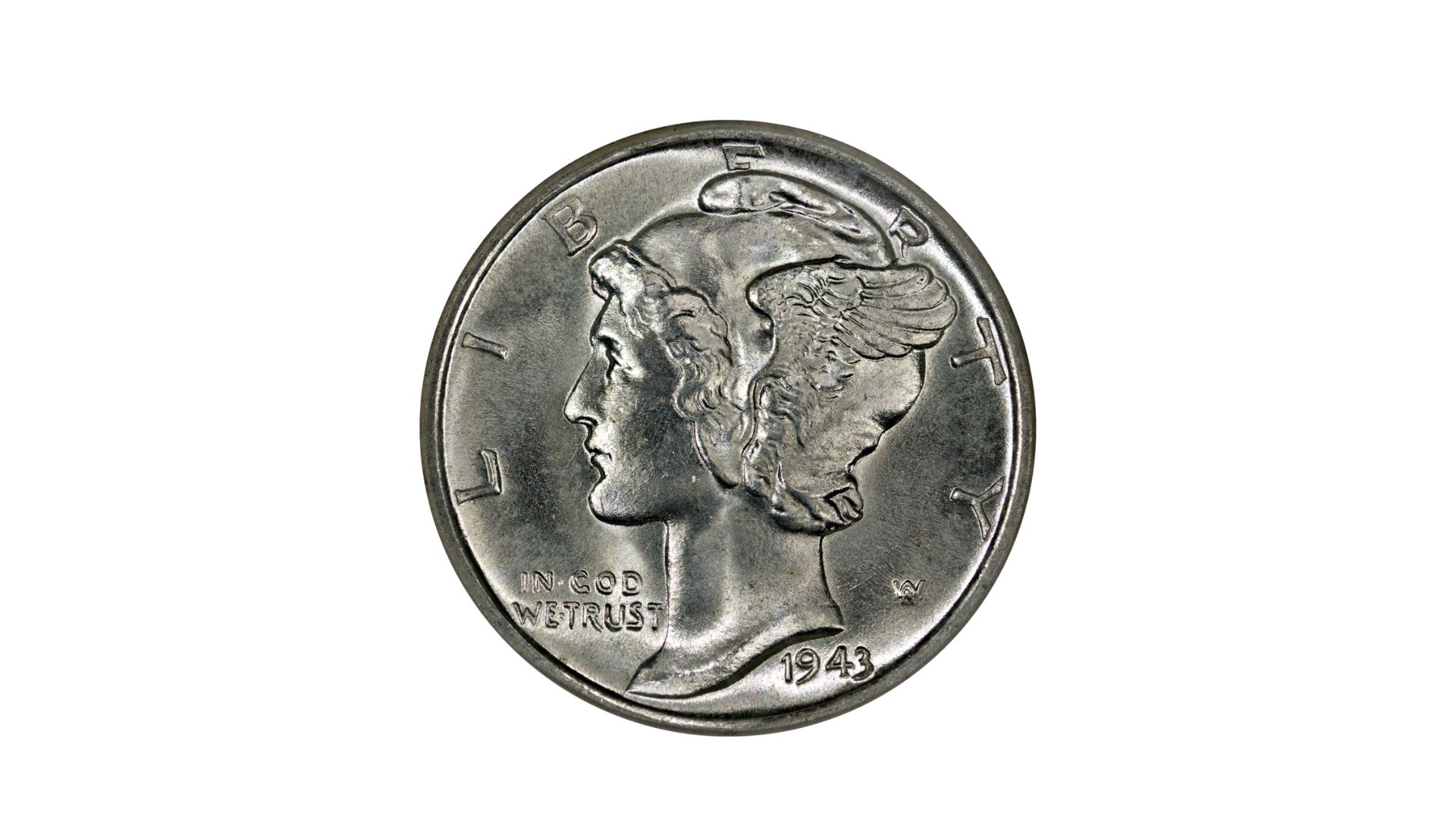
You might be surprised to learn that the value of mercury dimes isn’t just about the silver content. These coins have a rich history and unique features that make them appealing to coin collectors and investors alike. This is why, often, the melt value of the coin isn’t the ceiling of its worth. As an investor or a coin collector, understanding this can help you make informed decisions and possibly even find a hidden gem in your collection.
This article is based on real-world trends, expert insights, and data from trusted sources. We will dive into some key factors that can make mercury dimes worth more than just their melt value.
1. Rarity
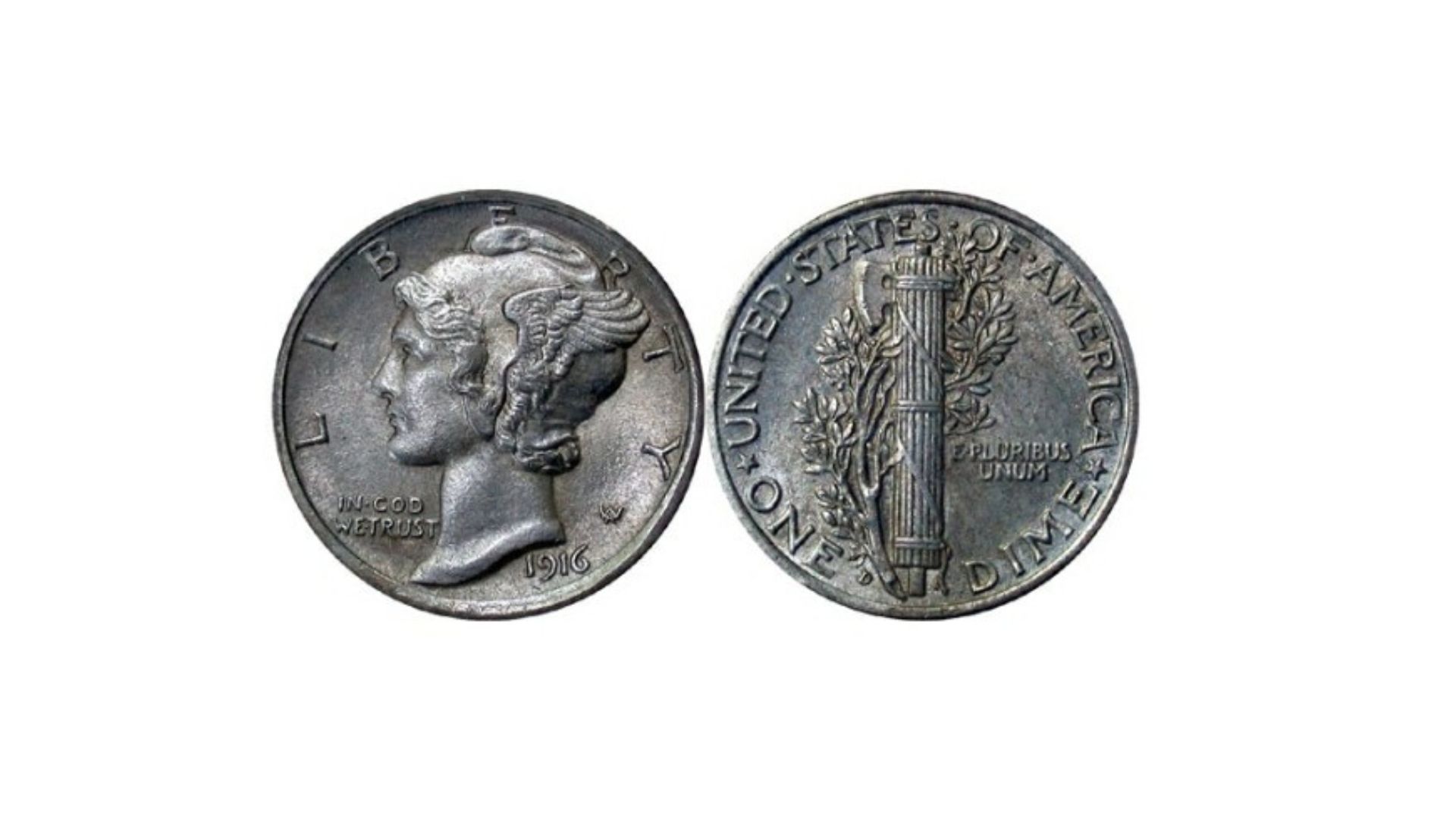
Rarity is a significant factor in determining the value of a coin. Specifically, the 1916-D Mercury dime is considered one of the rarest and most valuable of all the Mercury dimes. Only about 264,000 of these were made, compared to millions of other years and mints. According to the USA Coin Book, a 1916-D Mercury dime in good condition can be worth over $900, far exceeding its melt value.
2. Condition
The condition of a coin plays a crucial role in its value. The Professional Coin Grading Service (PCGS) grades coins on a scale from 1 to 70, with 70 being a perfect coin. Higher graded Mercury dimes are in better condition and will generally be worth more than those in poorer condition, irrespective of their melt value.
3. Historical Significance
Mercury dimes, minted from 1916 to 1945, hold a special place in American history. They were in circulation during both World Wars and the Great Depression. This historical significance can add to a coin’s appeal and value. NGC, a leading coin grading service, states that coins with historical significance often have higher values.
4. Mint Mark
The location where a coin was minted, known as its mint mark, can also influence its value. Mercury dimes were produced at three different mints: Philadelphia (no mint mark), Denver (D), and San Francisco (S). Coins from different mints have different mintage numbers, and those with lower mintage numbers are often more valuable.
5. Demand
The final factor to consider is demand. If a coin is in high demand by collectors, its value can increase significantly. Because Mercury dimes are popular among coin collectors, they often have higher values than their silver content alone would suggest.
In conclusion, mercury dimes hold more value than what meets the eye. As a coin collector or investor, understanding the factors that influence a coin’s value beyond its melt value can help you make informed decisions and potentially uncover a hidden treasure in your collection. Happy hunting!