You’ll want to know how a long-cold case shifted back into the spotlight when evidence investigators once overlooked changed the course of a trial. This piece explains what happened, why that new evidence mattered, and how it led to a conviction in a case that had already seen one guilty verdict overturned.
A retrial produced a second guilty verdict after jurors heard unusual forensic and testimonial details that prosecutors say tied the defendant directly to the crime. The story that follows breaks down the key evidence, the courtroom battles, and what the verdict means for the parties involved and the legal system.
Expect a clear timeline of events, an explanation of the contested proof that proved decisive, and a look at the legal aftermath that still echoes through the community.
Case Overview: The Conviction and Unusual Evidence

The case centers on a fatal 2007 house fire that killed Todd Stermer and led to the conviction of his wife, Linda Stermer. Jurors weighed arson experts’ findings, witness testimony about marital conflict, and physical evidence tied to accelerants and burn patterns.
Events Leading to Todd Stermer’s Death
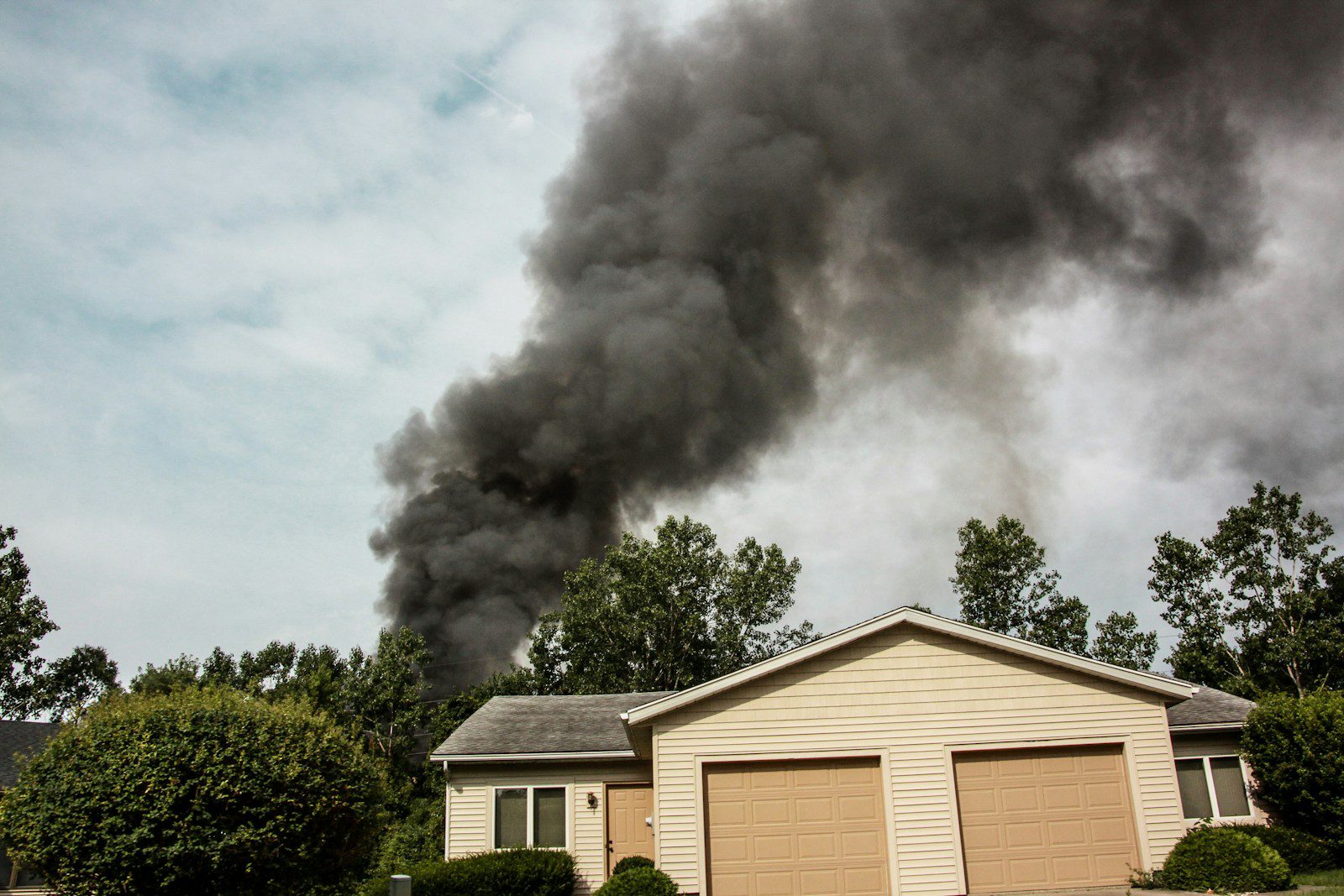
On January 7, 2007, emergency crews responded to a blaze at the Stermer home in Lawrence Township, Van Buren County. Firefighters found Todd Stermer badly burned; he later died from his injuries. Neighbors reported seeing flames and hearing screams the night of the fire.
Prosecutors presented evidence that disputes Linda Stermer’s account of events. The couple’s sons and a nephew testified about long‑running domestic strife and inconsistencies in Linda’s statements. The prosecution argued motive included ongoing marital problems and an affair that emerged during the retrial.
Defense counsel Wolfgang Mueller challenged that narrative, arguing the physical evidence did not prove Linda deliberately set the fire. He emphasized gaps in forensic links between items in the house and Linda’s actions.
The Role of Arson and House Fire
Arson investigators and fire‑cause experts played central roles. Both prosecution and defense brought specialists to interpret burn patterns, point of origin, and the presence of accelerants. Experts questioned whether an oil lamp and candles in the home could explain the fire’s spread absent deliberate ignition.
Insurance investigators also examined the scene given the property loss and argued about possible accelerant use. The prosecution relied on testimony that the fire’s behavior suggested intentional ignition, while defense experts countered that flashover and household fuels could mimic arson indicators.
Van Buren County court proceedings included detailed exhibits showing damage patterns, photos of the lamp and candle placement, and lab tests for petroleum residues. Judge Kathleen Brickley oversaw trial rulings on admissibility of that evidence.
Key Testimonies and Physical Evidence
Witness testimony formed much of the case’s narrative. The Stermers’ adult sons described family tensions and recounted what their mother told them after the fire. A man identified as Linda’s affair partner testified about interactions before the fire. First responders described the scene and Todd’s injuries.
Physical evidence included lab reports for accelerants, char patterns on floor joists, and an itemized inventory of damaged household goods. The prosecution highlighted alleged inconsistencies in Linda’s statements across interviews and the earlier 2010 conviction. The defense attacked chain‑of‑custody and the reliability of some arson indicators.
After deliberations, a jury convicted Linda Stermer of first‑degree and felony murder. She faces a life, no‑parole sentence under Michigan law, with Van Buren County prosecutors and the case record documenting the interplay of forensic findings and witness accounts.
Legal Proceedings and Aftermath
The case moved through multiple courtrooms, produced renewed scrutiny of forensic claims, and intersected with other high-profile Michigan prosecutions. Key legal steps included a vacated conviction, a retrial that resulted in life imprisonment, and a separate plea in an unrelated Lake County stabbing that drew attention to state charging practices.
Initial Trial and Appeal
The defendant was first convicted in 2010 of first-degree premeditated murder after prosecutors argued she beat, set fire to, and ran over her husband. Jurors found forensic evidence and witness testimony persuasive, and the judge imposed life without parole. Defense attorneys later won an appeal, arguing trial errors and inadequate processes that affected fairness. The conviction was overturned in 2018, which led to renewed pretrial litigation over evidence handling and admissibility. That appeal stage increased public interest and prompted review of investigative work by local law enforcement and the fire investigators.
Retrial and Sentencing
At retrial, the prosecution again presented testimony tying the defendant to blunt-force trauma, accelerant detection, and the vehicle impact. A jury convicted her on counts including first-degree murder, and a judge resentenced her to life without parole. The Michigan Department of Corrections now lists her as serving that sentence. The case attracted national coverage; Court TV livestreamed parts of the proceedings and reporting highlighted the judge’s characterization of defense claims as inconsistent. Post-conviction filings indicate the defense plans further appeals, and the attorney general’s office has not signaled a withdrawal of the state’s prosecution strategy.
Broader Impact and Related Cases
The trial’s twists renewed scrutiny of arson-forensics practices and courtroom procedure in Michigan. Attorney General Dana Nessel’s office has cited prosecutorial diligence in high-profile matters while critics point to the need for stronger investigative documentation. Separate coverage has noted other Michigan cases drawing public attention, such as Betsy McIntyre’s guilty plea to second-degree murder after a 14-stab wound case in Lake County, which raised questions about plea agreements and charging decisions. True-crime programs like 48 Hours and journalists such as Christina Keller have covered aspects of these cases, amplifying public debate about evidence standards and prosecutorial discretion.
More from Decluttering Mom: