Minimalism was supposed to be the easy way out: fewer things, less stress, more time for the people and hobbies you love. So why does it feel like you need a six-hundred-dollar couch and a wardrobe in five shades of beige to qualify?
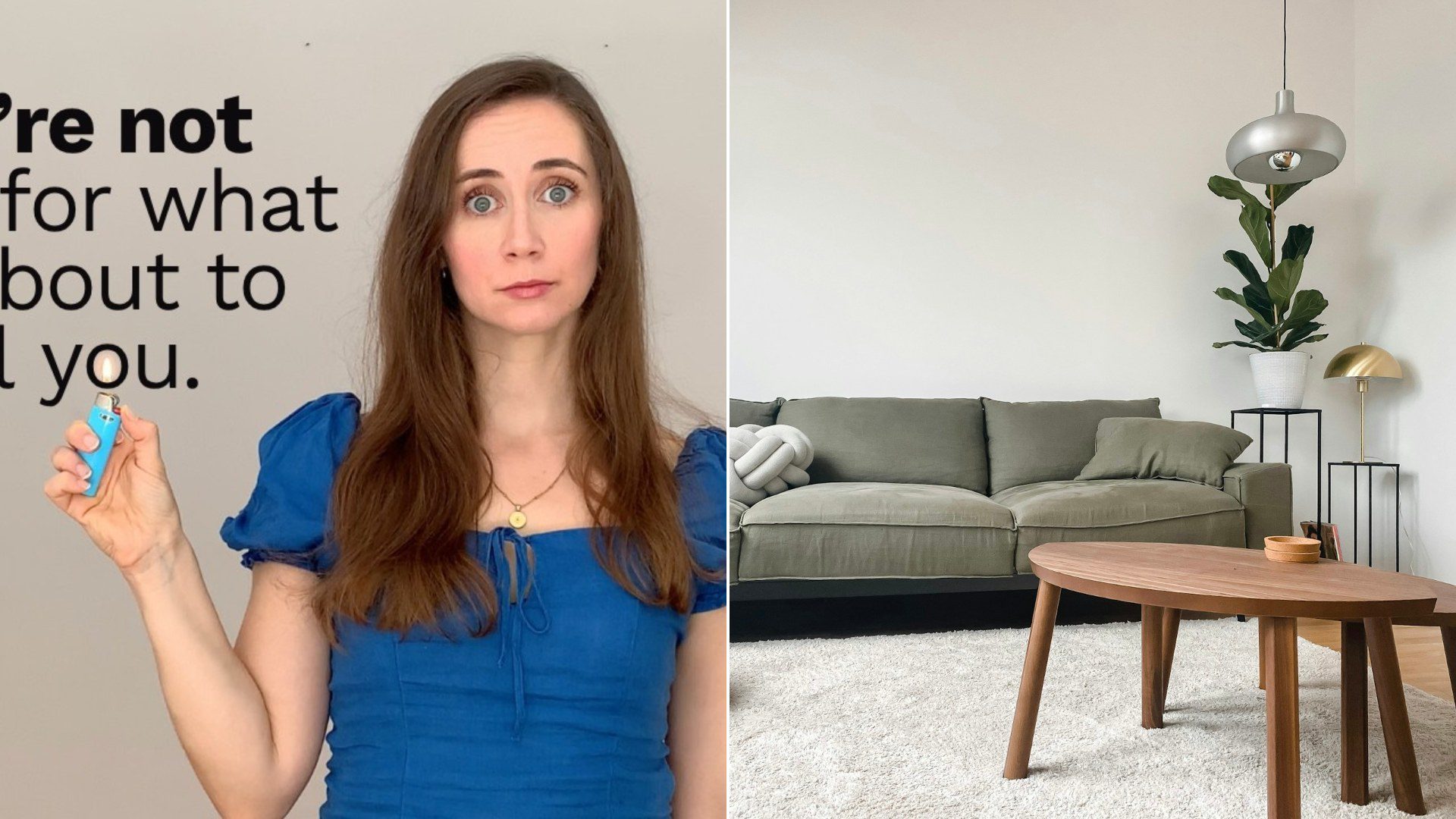
One YouTube creator, @BeaMinimalista, says she has had enough. She tried minimalism herself back in 2020 and found it too hard, and she thinks the way it is sold online has pushed plenty of people away from the whole idea. Her list of trends that make her furious is worth a look, especially if you have ever felt like you were failing at simple living.
Here is the heart of her argument, trend by trend, along with what you can do instead.
The all-white home
You know the look: white walls, white sofa, white coffee table, and one ceramic bowl holding a dry branch. It photographs beautifully, she says, but it works best in big houses with rooms nobody uses and cleaning crews on call. She points out that one homeowner celebrated as a minimalist also showed off a luxury car collection in matching colors. In her words, minimalism is not a color palette. A red couch, blue walls and colorful paintings can be just as minimalist if you love them and use them.
White also has a practical problem. It only stays white when it is brand new or never touched. Add kids, pets or a husband with muddy boots and you will be scrubbing all weekend. She says she stopped buying white clothing for the same reason, because it stained, showed through and was only white for the first week.
Throwing out good things to buy “better” ones
Ten years ago, she recalls, people tossed perfectly good plastic toothbrushes, cleaning supplies and clothes overnight to replace them with greener, prettier versions. Her point: the most minimalist choice is nearly always to use what you already have until it wears out. Throwing away a new shirt to buy a linen one defeats the purpose.
Confusing organizing with decluttering
This one hits home for a lot of us. If you buy storage bins and sort everything neatly, you still own the same stuff, just in boxes. As she puts it, if you have 36 cables and put them in a lovely cable box, you still have 36 cables. She loves a tidy drawer, and she says she adores Marie Kondo, who never claimed to be a minimalist but a professional organizer. The question to ask before you buy another system is simple: do I need a new container, or do I need fewer things?
“Minimalist” products you are told to buy
Minimalist water bottles, wallets, notebooks, skincare, kitchen gadgets. She wonders why anyone would pay extra for a branded minimalist notebook when the supermarket sells one for a fraction of the price. The stainless steel straws, the fancy dishcloths, the aesthetic jar with a hole in the middle: none of it is required. Needing designer furniture or an expensive capsule wardrobe to live simply is, in her word, mental.
The 100-item contest
Counting your belongings can be a fun experiment, but she calls it a toxic measure when it becomes a competition. She notes that someone with 500 useful, loved items may be far more of a minimalist than someone with 50 who keeps buying and discarding. Climate matters too. A person in a warm place all year needs fewer clothes than someone facing snowy winters and hot summers. She also mentions that a well-known name in the minimalist community counted his belongings and found well over 1,600 items.
Rules about what a minimalist can own
Books, vinyl records, even a dog. She says people tell her all the time that a dog is not minimalist. Her answer is that if something brings you joy and gets used or loved, keep it. An empty room is not the same as a simple life.
Expecting minimalism to make you happy
Less clutter can mean less cleaning, less upkeep, fewer expenses and a calmer mind. But clearing out 200 things overnight will not fix loneliness or worry. She calls minimalism a tool, not a solution, and warns that people who declutter without a reason sometimes sit in an empty room, feel miserable, and then buy a pile of things to fill the gap.
How to declutter your way, step by step
Here is a practical way to take her advice and make it your own:
- Start with your why. Ask what you want your home to feel like, which relationships you want more time for, and what you want your days to look like. Write the answers on a sticky note and put it on the fridge.
- Shop your house first. Before buying any bin, basket or “minimalist” item, look for something you already own that does the job.
- Declutter before you organize. Pull everything out of one drawer, keep only what you use or love, and then decide whether you even need a container.
- Keep what you love. Books, records, sewing supplies, a collection of teacups. If it adds joy and you use it, it stays.
- Skip the number goals. Measure success by how easy your home is to live in, not how few items you own.
- Use up before replacing. Finish the shampoo, wear out the shirt, then upgrade if you still want to.
In the end, she says, we may be overcomplicating something that was meant to simplify life. Own what you use, love and find meaningful. That is a rule worth following, and no committee has to approve your shelves.
More Stories You May Like
- Professional Organizer Says If You Have Run Out Of Space You Do Not Need More Storage Because The Money Was Wasted Ten Years Ago And Your Kids Do Not Want The Stuff You Saved
- Professional Organizer Cleared Out A Family Of Five’s Pantry And Rebuilt It With Cube Baskets Turntables And A Riser For Canned Goods
- Professional Organizer Dares You To Throw Out Old Towels Expired Beauty Products And Swimwear You Never Wear Before Today Is Over