You scrub the bathroom, the grout still looks gray, and a friend swears the trick is to pour a little of this and a little of that into the same bucket. More cleaner must mean more clean, right? Wrong. Some of the most popular cleaning “hacks” going around are actually recipes for toxic fumes, and the danger can build in a closed bathroom in a matter of minutes. If you keep a collection of bottles under your sink, this one is worth reading twice.
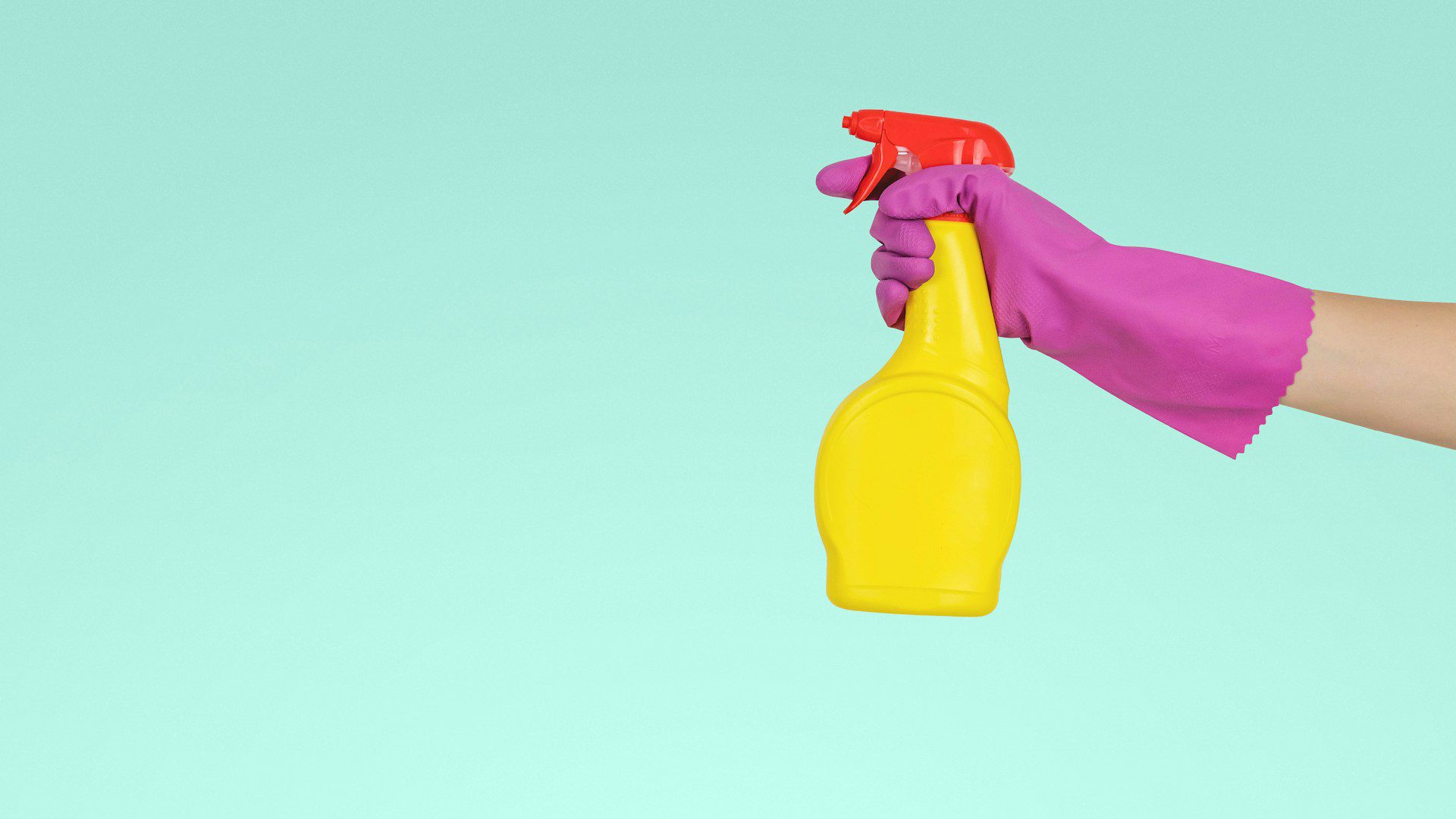
The rule is simple and worth memorizing: never mix cleaning products. Use one at a time, as the label directs, and rinse thoroughly before you try another.
Bleach and Ammonia: A Dangerous Pair
Household bleach mixed with ammonia produces toxic vapors known as chloramines. These can irritate your eyes, nose, throat and lungs, and breathing them in can cause coughing, shortness of breath and chest pain. The trouble is that ammonia hides in more places than people expect. It shows up in some glass cleaners and other household products, and so does bleach. If you spray one on a surface and then wipe it with the other, you may be making fumes without realizing it. Always read the label, and when in doubt, do not combine.
Bleach and Vinegar: Not a Power Couple
Vinegar has a reputation as a natural, harmless cleaner, and for many jobs it is a fine choice. But it is an acid, and mixing it with bleach releases chlorine gas. That is the same gas that makes a swimming pool smell sharp, only much more concentrated in a small room, and it is harmful to breathe. Just because a product feels gentle does not mean it plays well with others.
Other Combinations to Avoid
- Bleach and rubbing alcohol. This combination can create harmful compounds, including chloroform. Skip it.
- Bleach and acidic cleaners. Many toilet bowl and rust-removing products are acidic. Mixed with bleach, they can release chlorine gas.
- Hydrogen peroxide and vinegar. Combined in one container, they can form peracetic acid, which can irritate or burn skin, eyes and lungs. If you use both, apply them separately and rinse in between.
- Different drain cleaners. Never pour one product on top of another in a clogged drain. If one does not work, do not add a second. Call a plumber instead.
Why the Danger Sneaks Up on People
Part of the problem is that cleaning feels like a healthy, harmless chore. We tend to think of a cleaner as something that removes germs and grime, not something that can hurt us. Tight spaces make it worse. A small bathroom with the door closed and the fan off holds fumes close to your face, right where you are bending over the tub or the toilet. Add a few minutes of scrubbing, and a simple chore can turn into an emergency. That is why the safest habit is also the easiest one: pick a single product, finish the job, rinse and move on.
Safe Habits for Cleaning Day
The good news is that staying safe takes very little effort.
- Read the label. Manufacturers print warnings for a reason. Look for lines about not mixing with other products.
- Use one product at a time. Finish the job, rinse the surface with plain water, wipe it dry and let the room air out before you bring in another cleaner.
- Open a window or run the fan. Fresh air helps in a tight space like a bathroom. A small room with no airflow is where fumes build fastest.
- Keep products in their original containers. Never pour cleaner into an unmarked bottle or an old drink container. A bottle with no label is a mistake waiting to happen, especially in a home with children or pets.
- Do not make your own blends. If a post online promises a miracle mixture, remember that people who share it are not standing in your bathroom with the door shut.
- Store them with care. Keep bleach and ammonia-based products apart, ideally on separate shelves, and out of children’s reach.
- Protect your skin and eyes. Gloves are a good idea for most jobs, and they are a must with bleach and strong chemicals.
If You Mix Something by Accident
It happens, even to careful people. If you notice a sharp smell, stinging eyes or coughing right after combining products, stop right away. Leave the area and get to fresh air, and take children and pets with you. Do not stay behind to clean up or to see what happens. Open windows only if you can do so without lingering in the room.
If anyone is having trouble breathing, feels dizzy, or has strong burning in the eyes, nose, throat or chest, call 911. For other questions about a possible exposure in the United States, the Poison Help line is 1-800-222-1222, and it is free and open around the clock. Keep the product bottles handy so you can tell them exactly what was involved.
Skip the Hack and Keep Your Home Safe
Most homes do not need a secret formula. Plain soap and water handle an enormous amount of everyday dirt, and a single product, used the way the label says, handles most of the rest. The next time a tip promises a stronger clean by blending two products, pass. A sparkling bathroom is not worth a trip to the emergency room.
Share this with anyone in your family who loves a good cleaning shortcut. It might just save them a scare.
More Stories You May Like
- Declutter a Small Space in Under Ten Minutes with Steps a Stay at Home Mom Uses Every Day
- Professional Organizer With ADHD Tells Overwhelmed Moms To Set A Fifteen Minute Timer And Only Pick Up Trash Off One Living Room Floor
- She Went From A Four Bedroom House With Three Kids To Owning Only What Fits In Her Subaru, And Shares 12 Ruthless Downsizing Tips