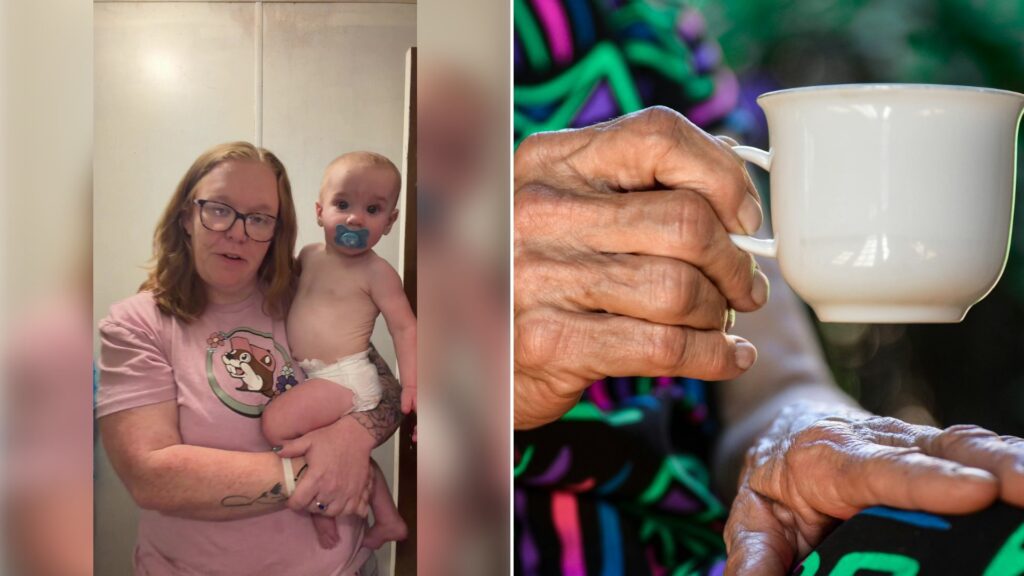
Most parenting content online leans toward polished advice or wholesome highlights. This creator did the opposite, sitting down and admitting the parts of motherhood that most people feel but rarely say out loud.
In the video from @iamdrtuesday, she prefaces her confessions with a simple reframe: she is a human first and a mother second, and she is having the same messy, imperfect human experience of motherhood as anyone else. What follows is a list of honest, vulnerable admissions about the difficult realities of raising kids, delivered without the usual filter of positivity that so much parenting content defaults to.
@iamdrtuesday
The “human first, mother second” framing taps into something psychologists who study identity after childbirth describe as a central struggle of modern motherhood: the tendency for a mother’s identity to become fully absorbed by the role, to the point where her own needs, moods, and personhood get treated as secondary or even inappropriate to acknowledge. The transition into motherhood, sometimes referred to by researchers as matrescence, involves exactly this kind of identity renegotiation, and experts in maternal mental health have pointed out that the cultural expectation for mothers to be endlessly patient, selfless, and composed can make normal human reactions — frustration, resentment, boredom, grief for a previous version of life — feel like shameful secrets rather than ordinary parts of the experience.
That shame gap matters clinically, not just emotionally. Maternal mental health specialists have found that mothers who feel unable to voice difficult feelings about parenting, for fear of being judged as ungrateful or unfit, are more likely to suffer in silence rather than seek support when those feelings cross into something more serious, like postpartum depression or anxiety. Public health researchers estimate that a meaningful share of new mothers experience some degree of postpartum mood disturbance, and one of the most consistently cited barriers to getting help is the stigma around admitting that motherhood doesn’t feel entirely natural, joyful, or manageable at every moment.
Content like this video works against that stigma directly. By naming the unglamorous parts of motherhood out loud, and doing it with a clear framing that separates her personhood from the role, the creator models something therapists who work with mothers often encourage: that taking care of a child does not require erasing one’s own needs, limits, and feelings, and that acknowledging the hard parts is not disloyalty to the role, it’s basic honesty about a genuinely difficult job.
Comment sections under confessional content like this tend to become their own kind of informal support group, with other mothers adding their own admissions once someone else has gone first and made it feel safe. That pattern reflects something social psychologists have long understood about shame: it thrives in silence and loses power the moment it’s spoken aloud and met with recognition rather than judgment. A single mother admitting a hard truth on video can give thousands of viewers permission to admit the same thing to themselves, which is a meaningful service even if it never shows up in a parenting advice list.
The video’s popularity ultimately comes down to relief rather than shock value. Most of what she admits isn’t scandalous, it’s simply rarely said in public, and hearing someone else say it first makes the gap between the polished version of motherhood online and the real, complicated version a little smaller for everyone watching.
More from Decluttering Mom
- Mom Tries to Do Her Skincare Through Tears After Her Firstborn Son Leaves for His College Campus a Day Early, Then Shares What He Told Her About Being So Proud of Her
- Mom Lying in a Hospital Bed Beside Her Newborn Twins Looks at a Photo of Her Toddler on Her Phone and Says No One Prepared Her for the Grief of Her Firstborn Not Being Her Baby
- Single Mom of Four Forgets to Put an RSVP on Her Daughter’s 10th Birthday Invites, Then Gets a Call From Another Mom Saying the Whole Grade Is Coming