You’ll find the sweetest, most ordinary moments tucked into answers from parents who were asked what they love most about their kids right now. They mention tiny, specific details—like the way a toddler sings off-key at breakfast or a teenager’s private jokes—that capture who their children are in this moment.
These snapshots show how small habits, silly phrases, and quiet gestures become memories parents never want to forget. The post collects those moments so you can notice and cherish similar details in your own family life.
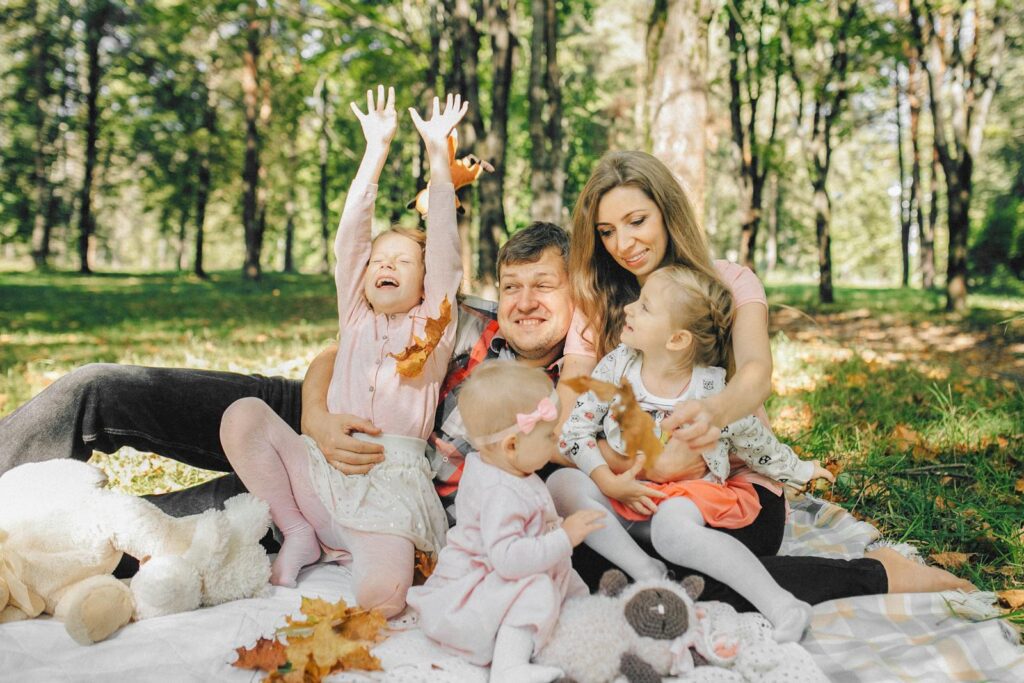
Parents Share the Tiny Things They Never Want to Forget
Parents recall concrete, repeatable moments that make days feel full: a mispronounced word, a silly bedtime ritual, an unexpected hug, or a lesson taught with blunt honesty. These small details shape memories and show the child’s personality in ways parents can revisit later.
Adorable Expressions and Unique Phrases
Children invent language constantly. Parents mention things like a toddler saying “pooter” for computer, a kindergartner calling broccoli “green trees,” or a preschooler insisting on “sneaky kisses” at drop-off. Those phrases stick because they’re tied to a voice and a stage of development.
Expressions also include facial quirks. One parent described the exact sideways grin their seven-year-old makes when planning mischief. Another kept a list of the funny ways their teen pronounced new words during a language unit. These idiosyncrasies become shorthand for that child’s early personality.
Parents often record these lines in notes or on their phones. They know a single sentence can bring back the entire room—the light, the scent, the chaos—and they savor that.
Everyday Moments That Make Parenting Special
Small routines anchor days: the five-minute dance-off in the kitchen, the shared cereal bowl at 6:30 a.m., or the ritual of reading the same picture book twice. Parents say these moments feel ordinary then, priceless later.
They highlight specific scenes: a sleepy child bringing a favorite stuffed animal to the sink, a teen texting “on my way” with three exclamation points, or siblings building a blanket fort together at sunset. Each scene contains sensory detail that parents recall vividly.
Many keep quick photos or voice memos to freeze the moment. Those artifacts let them replay the exact cadence of a laugh or the way light hit a child’s hair during a quiet afternoon.
Quirky Habits and Little Rituals
Kids develop tiny routines that adults find endearing: lining up shoes by color, insisting on dressing backward for “funny day,” or demanding the same napkin folded over a favorite sticker. Parents remember who needed a certain stuffed animal tucked in just so.
These habits often include surprising logic. One child refused to step on cracks because “they make the road sleepy,” another refused to flush at night to “let the fish sleep.” Parents laugh at the reasoning and treasure the creativity behind it.
They jot these habits down or mention them at family dinners. Over time, those rituals become family lore—specific, repeatable, and a clear marker of that child’s phase.
Lessons Kids Teach Their Parents
Children teach concrete lessons that reshape daily life. A four-year-old’s blunt honesty can make a parent rethink perfectionism. A teenager’s insistence on fairness prompts parents to set clearer boundaries and explain decisions differently.
Parents note exact moments of learning, like being taught to notice tiny joys because a child stops to watch a beetle, or learning to apologize after a child points out a mistake plainly. Those instances lead to behavioral change in the household.
Many parents say the most important lessons are practical: patience when a child takes three tries to tie shoes, creativity when bedtime stories need a new twist, and humility when a child corrects a grown-up’s grammar. They keep those moments in mind as guides for how to parent next.
Cherishing Childhood: Capturing Precious Memories
Parents can preserve small, vivid moments by turning artwork, recordings, and everyday notes into lasting keepsakes. Simple systems and shared activities make memory-keeping practical and emotionally meaningful.
Creating Keepsakes and Mementos
Parents often pick a single method and stick with it so memories don’t pile up into clutter. Use a shallow storage box per child and label items with date and age—first tooth, a favorite drawing, and hospital bracelets fit well.
Digitize bulky items: photograph stuffed animals, scan paintings at a consistent 300 DPI, and store files in a dated folder on the cloud. That reduces physical space while keeping detail.
Make one tactile item each year: a quilt of outgrown onesies, a clay handprint, or a shadowbox with a small toy and ticket stubs. Add a short note about why the item mattered that year. These concrete choices help future storytelling.
Ways to Remember the Little Things
Capture voice and behavior with short, regular recordings. Record 30-second clips of them saying a funny phrase or singing a made-up song, then tag files by age and context. Parents can do this weekly or monthly to track changes without huge time investment.
Keep a “tiny things” jar: drop in a folded note each week that says something they did or said. Empty the jar on birthdays and read aloud.
Use photo prompts during ordinary moments—hands covered in mud, mismatched socks, or a bedtime grin. Label photos with who, where, and one line about why it mattered. That small caption makes images emotionally precise later.
Bonding Over Shared Experiences
Turn memory-making into shared rituals to strengthen connection. Have a monthly “remembering night” where the family looks through a small stack of photos, listens to a voice clip, and shares one thing they loved that month. Keep it under 20 minutes to maintain energy.
Plan one annual project together: build a time capsule, assemble a year-in-review scrapbook, or cook a recipe they loved that year while taking photos. Let the child choose one item to include; ownership increases meaning.
Use those moments to ask specific prompts—“What made you laugh today?” or “What’s something new you tried?”—and write answers down. The act of asking and recording creates a reliable trail of memories that reflects real details.
More from Cultivated Comfort: