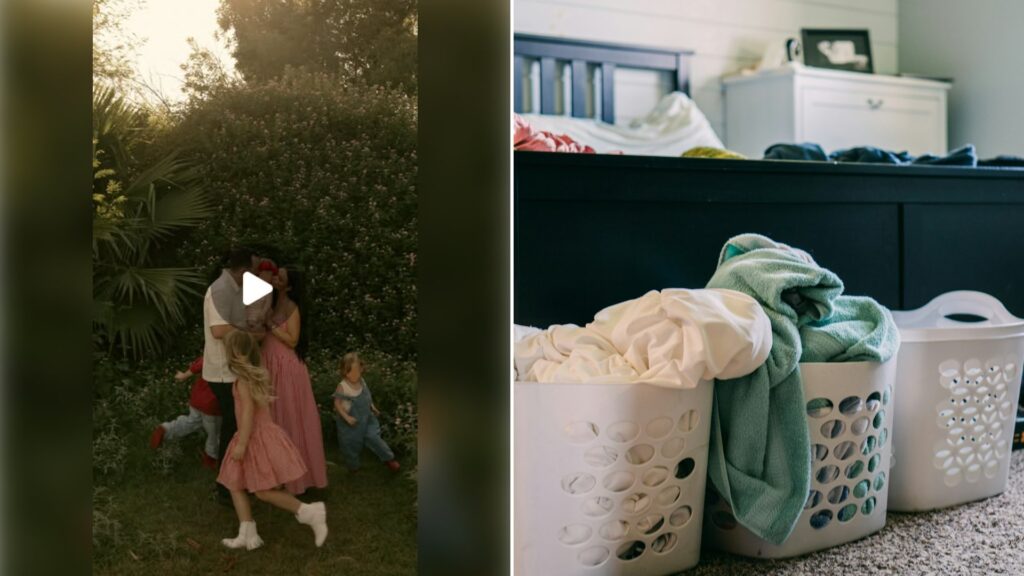
Getting a young child dressed can turn into one of the longest five minutes of a parent’s day, and one mother decided to film the exact moment her patience started to crack. In a video posted by @carmenveal on September 13, she calmly guides her young daughter to get dressed after asking several times, then reflects afterward in the caption that her own frustration did not need to become the emotional temperature of the room.
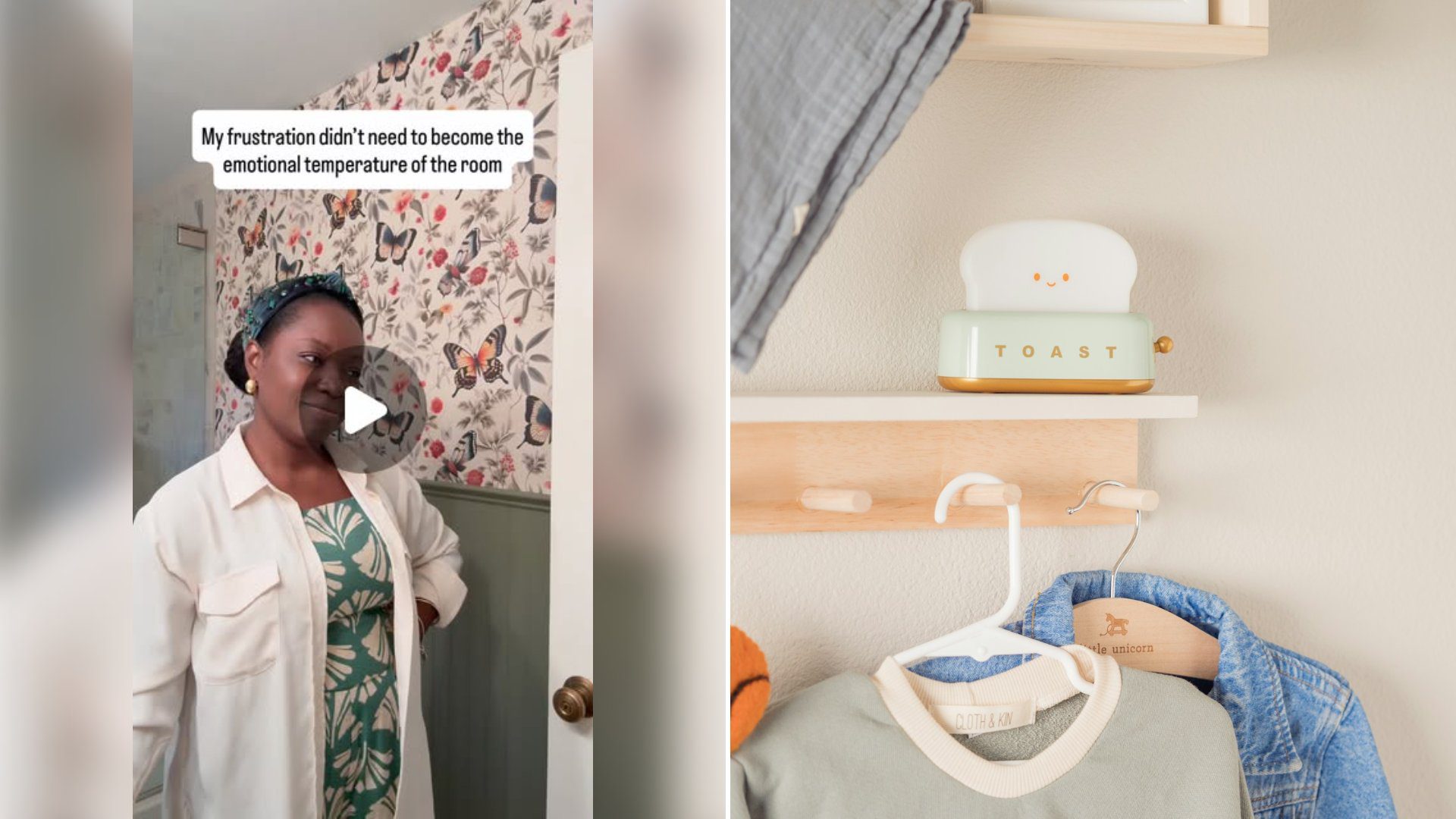
What makes the video stand out is its honesty about the actual internal process, not just the calm outcome. Rather than presenting herself as a parent who simply never gets frustrated, she shows the real moment frustration starts to build after repeated requests go unanswered, and then talks herself through choosing a different response in real time, right there on camera, instead of editing that struggle out entirely.
That line, about not letting her own frustration become the emotional temperature of the room, captures something gentle parenting researchers have spent years documenting. Children, especially young ones, are highly attuned to a caregiver’s tone and emotional state, often responding more to how something is said than to the actual words used. A sharp or frustrated tone from a parent can escalate a child’s own dysregulation, turning a simple delay in getting dressed into a much bigger emotional moment for everyone involved, while a steady, calm tone tends to help a child settle rather than spiral.
This idea is sometimes described by child development specialists as emotional contagion within a household, where a parent’s nervous system state has a measurable influence on a child’s own regulation. A calm adult voice, even when delivering the same instruction for a fifth time, signals safety to a child’s developing brain, whereas a raised or clipped tone can signal threat, which often triggers more resistance rather than more cooperation. In practice, that means staying calm is not just about being a patient person, it is a genuinely effective de-escalation tool that tends to shorten the standoff rather than prolong it.
None of that makes the fifth repetition of the same instruction any less grating in the moment, and the video does not pretend otherwise. The appeal is in showing frustration as a normal, expected part of parenting, something to notice and manage rather than something to be ashamed of feeling in the first place. Plenty of parenting content shows the calm result without ever showing the effort it took to get there, which can make an already hard moment feel even more isolating for anyone watching who is struggling with the exact same thing.
By showing both the friction and the self talk that resolved it, the video offers something more useful than a tidy parenting tip: a real time example of a parent noticing her own rising frustration and actively choosing a different path before it turned into a bigger moment. That kind of visible self regulation is exactly what resonates with an audience of parents who are not looking for perfection, just a workable model for the next time their own fifth request goes unanswered.
More from Decluttering Mom
- Mom Says She Got Defensive About Parenting Advice Years Ago and Explains How Her Mind Changed As Her Children Grew and the Lessons She Now Passes On
- Parenting Expert Shows What To Do When a Child Melts Down in a Public Place and Offers the Phrase She Wants Overwhelmed Parents To Try Next Time
- Mom Says Toddler Tantrums Calm Down When Parents Say No Once and Stick to It and Explains Why Giving In Teaches Kids To Scream Louder Next Time