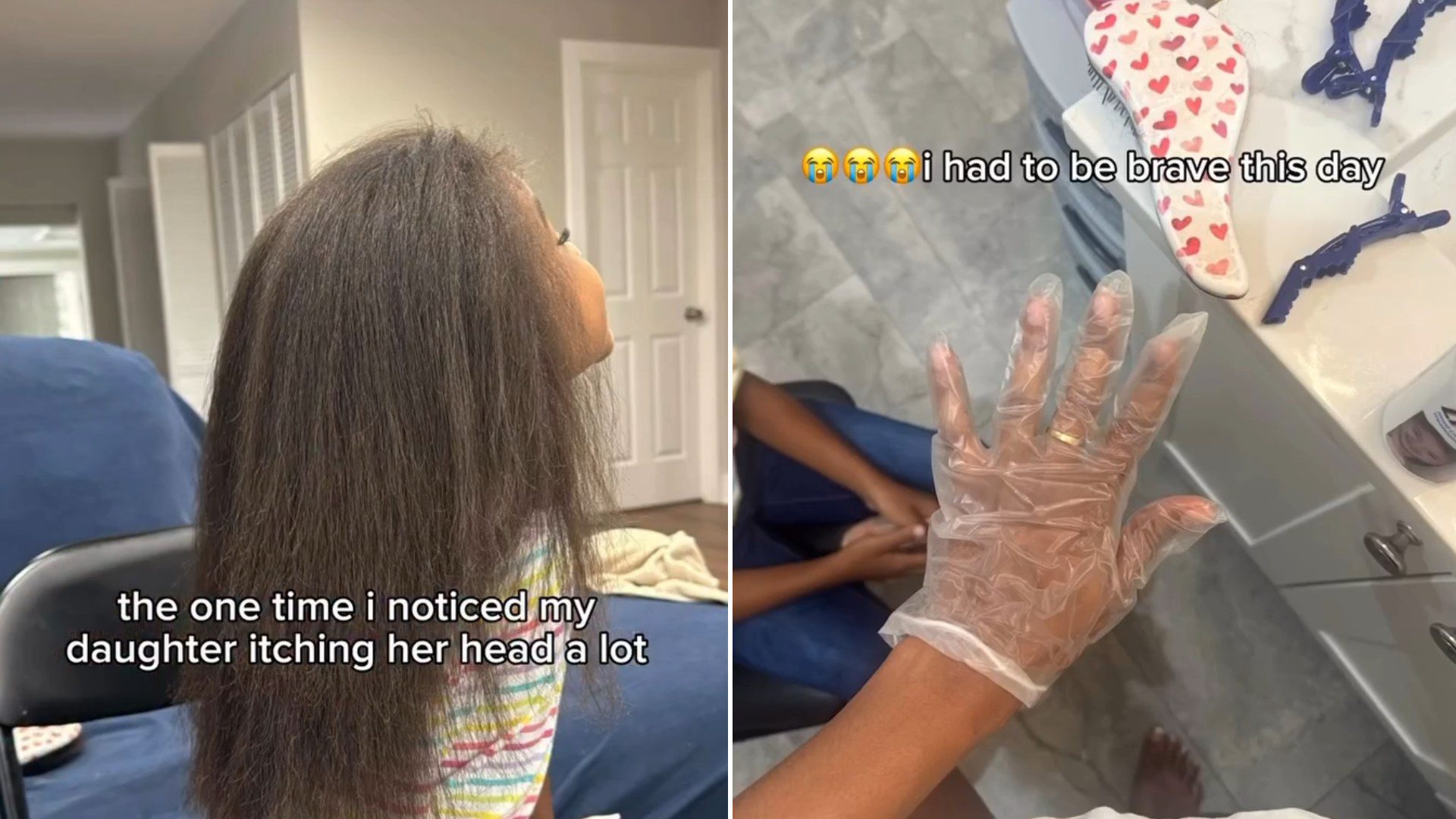
A routine hair check turned into hours of work for one mom, whose Instagram reel documenting a head lice infestation and the full removal process has outperformed her account’s typical reach by a wide margin this week. The video, posted to her Instagram account, follows her from the moment she spots live lice while combing her daughter’s hair for a normal check through the multi-day process of getting rid of them. She filmed it, by her own account, so other parents wouldn’t have to figure the process out from scratch the way she did.
Why This Spreads Beyond the Usual Audience
Lice carry a stigma that outlasts the actual medical stakes. The bugs don’t spread disease, and having them is not a sign of a dirty house or inattentive parenting, it is a sign of head-to-head contact, which is exactly what happens during a hug, a shared pillow, or kids’ games. Grandparents raised their own kids through the same drill, often with a fine-tooth comb at the kitchen table and a lot less internet advice to go on, which is part of why a video like this one resonates across age groups instead of staying inside a narrow parenting niche.
How Common It Actually Is
Head lice cause an estimated 6 to 12 million infestations a year among children ages 3 to 11 in the United States, according to the CDC’s own overview of head lice. Preschool and elementary-age kids are affected most, along with the household members and caregivers who care for them, since lice move by crawling through direct hair-to-hair contact rather than jumping or flying. An adult louse can survive roughly 30 days on a person’s head, and a female can lay about six eggs a day, which is why a small, missed cluster of nits can turn into a full infestation within a couple of weeks.
School policy on lice has been shifting too. Districts spent years moving away from strict “no-nit” rules that kept any child with visible nits out of class, toward “nonexclusion” policies that let kids stay in school during treatment, according to NPR’s reporting on the issue. At least one Florida-area district reversed course and reinstated a stricter policy in 2025 after finding that nonexclusion led to repeated reinfestation cycles among the same families.
The Removal Process That Actually Works
The core of any effective treatment, whether it is captured on video or done quietly at home, is mechanical removal, not just medicine. The CDC’s own treatment guidance calls for applying an approved lice medication exactly as labeled, then following up with a fine-tooth nit comb to pull out both nits and any surviving lice, since no over-the-counter product reliably kills every egg on its own. Depending on which product is used, a second treatment 7 to 9 days later may be necessary to catch lice that hatched after the first round. On top of that, the agency recommends checking the hair and combing out nits and lice every 2 to 3 days for the following 2 to 3 weeks, machine-washing anything used in the prior two days in hot water, and sealing non-washable items in a plastic bag for two weeks rather than trying to treat them directly.
Cost is part of why so many families reach for the comb-it-out-yourself approach documented in the reel instead of calling in help. Over-the-counter treatments are relatively inexpensive, but professional lice removal services, which manually pick out lice and nits by hand, can run into the hundreds of dollars per person treated, per NPR’s reporting. For a family with more than one child in the house, that price adds up fast, which makes a clear, filmed walkthrough of the do-it-yourself version worth more to other parents than a sympathetic caption alone would be.
What Makes a Documented Case Like This Useful
The value in a video that walks through an infestation start to finish isn’t shock value, it’s the timeline. Lice removal is tedious and repetitive in a way that’s hard to convey in a single tip or a store-bought kit’s instructions, and seeing how long the comb-through process actually takes, and how many rounds it requires, sets more realistic expectations than a product label does. That’s true whether the person doing the combing is a parent handling it for the first time or a grandparent who assumed the process hadn’t changed much since their own kids were small.
Lice infestations end the same way they always have, through patience and a fine-tooth comb, not through a single overnight fix. What’s changed is how openly parents are willing to show that process to strangers instead of treating it as something to hide.