You’re weighing whether to pursue an autism evaluation for a 4-year-old and wondering if clinicians really take time to understand your child or simply apply a label. Most reputable evaluations combine detailed observation, caregiver input, and standardized testing, so you can expect a careful, multi-source assessment rather than a quick diagnosis.
This article walks through what a typical evaluation looks like, what professionals consider, and what you should ask before, during, and after the process to make sure the outcome fits your child’s needs. It also highlights practical steps to prepare and what follow-up supports you can reasonably expect.
Do Autism Evaluations for 4-Year-Olds Really Look Carefully?
Evaluations for a 4-year-old typically combine observations, standardized tests, and interviews to form a clear picture of a child’s strengths and challenges. Teams aim to separate autism from speech delays, ADHD, anxiety, or learning differences and to document functional needs for school and therapy.
How Evaluation Teams Assess Young Children
Teams usually include a psychologist, speech-language pathologist, and often an occupational therapist or developmental pediatrician. Each professional evaluates different domains: social communication, play, sensory responses, fine and gross motor skills, and cognitive abilities.
They rely on parent interviews, direct child observation, and teacher or daycare input when available. That multi-informant approach helps spot behaviors that appear only at home or only at school.
Clinicians use standardized instruments like the ADOS-2 for structured social tasks and play, and questionnaires such as the M-CHAT or parent checklists to screen patterns of behavior. Cognitive testing (e.g., WPPSI or similar) measures problem-solving and language skills.
Teams integrate all results rather than basing decisions on a single score to reduce misdiagnosis.
What Happens During an Autism Evaluation
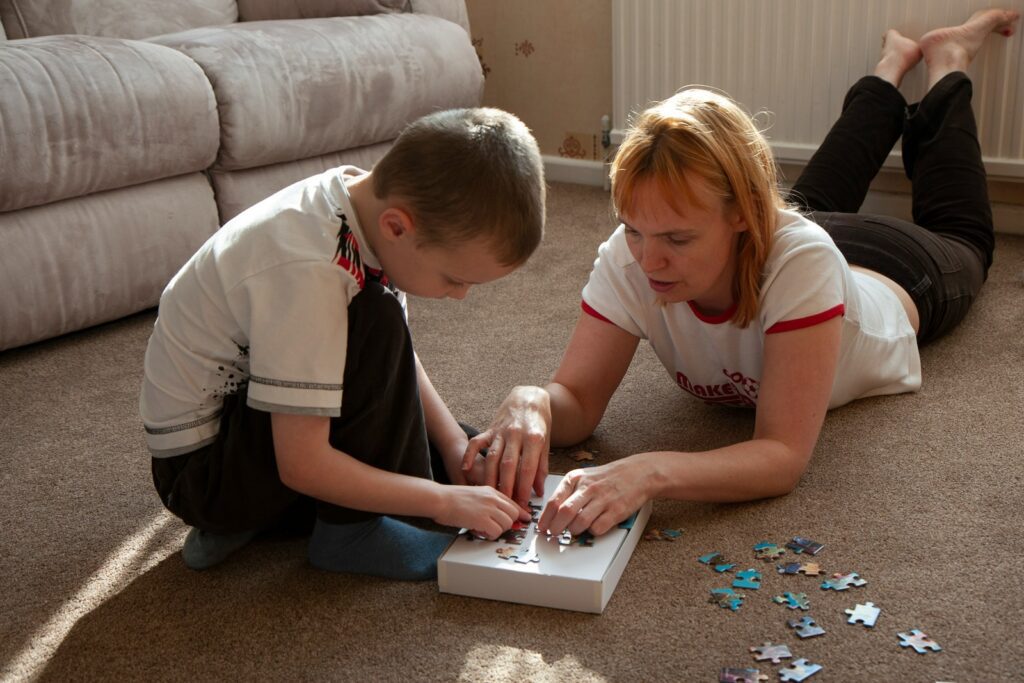
Parents can expect a detailed intake interview about early milestones, current concerns, sleep, feeding, and any regression in skills. The child will do play-based tasks and social prompts with an evaluator while another clinician or parent may join to observe.
Sessions often last 2–4 hours spread over one or more visits to reduce fatigue and gather reliable behavior samples.
Assessments usually include:
- Direct observation with ADOS-2 or similar structured tasks.
- Speech-language testing for understanding and expressive skills.
- Cognitive or developmental testing to map strengths and weaknesses.
- Questionnaires from parents and, if possible, teachers.
Clinicians then hold a feedback meeting and provide a written report that explains findings in clear language and recommends therapies, school supports, or further testing. Families should ask for specific examples from testing and how recommended supports will address daily challenges.
Common Misconceptions About Handing Out Diagnoses
Some parents worry clinicians “hand out” autism labels quickly. In reality, most experienced teams weigh multiple data points before diagnosing. Standardized tools are guides, not replacements for clinical judgment.
Misdiagnosis can occur when evaluators rely solely on screening checklists or a single test result, which is why best practice includes interviews, observations across settings, and cognitive measures.
Another misconception is that a diagnosis equals a fixed identity. Clinicians often emphasize functional needs—what a child can do and what support they need—rather than a static label.
Parents should request clarity: ask which behaviors led to the diagnosis, what alternative explanations were considered, and what specific therapies or school supports the team recommends. If answers are vague, seeking a second opinion from a multidisciplinary center is reasonable.
What Moms Should Know Before, During, and After an Autism Evaluation
An autism evaluation looks at developmental history, observed behavior, and reports from home and school. It should use structured tools, include multiple informants, and end with clear next steps and written recommendations.
How to Prepare Your Child for the Evaluation
Explain the visit simply and positively: tell the child they’ll meet someone who will play, ask questions, and watch how they do things. For a 4-year-old, say the visit will include games, picture cards, and short activities that last about 40–60 minutes to set realistic expectations.
Bring concrete items: a favorite toy, a quiet snack, and a recent photo or school report. Pack medical records, a list of milestones, and any prior evaluations. Share sensory needs or triggers with staff beforehand so clinicians can adapt the room or schedule breaks.
Avoid coaching the child on behaviors you want observed. Instead, role-play brief clinic-like moments at home (sitting for a short game, listening to a story) so the child practices sitting and following simple prompts without scripting specific responses.
Questions to Ask the Evaluators
Ask which standardized tools they will use (for example, ADOS-2 or parent interviews) and why those tests fit a 4-year-old. Ask how long each part will take and whether observers will need to see the child alone for part of the session.
Request clarification about multi-informant input: who will fill out rating scales and whether the evaluator will contact preschool teachers. Ask how co-occurring issues—sleep problems, language delay, or ADHD symptoms—will be assessed and reported.
Ask about timeline and report content: when to expect written findings, what the report will include (scores, interpretations, DSM-5 criteria), and whether the team provides concrete therapy or school accommodation recommendations. Confirm insurance/fee details and follow-up steps if moms want a second opinion.
Steps After Getting the Results
Expect a feedback meeting that reviews observations, test scores, and specific recommendations. If the child receives a diagnosis, the report should list targeted therapies (speech, occupational therapy, behavioral supports), recommended goals, and suggested accommodations for preschool or daycare.
If no diagnosis is given but concerns remain, ask for next steps: targeted evaluations (speech or hearing), monitoring schedules, or a trial of recommended therapies. Request help connecting to local resources, such as early intervention agencies, therapy providers, and school IEP teams.
Moms should keep copies of all reports and a concise list of recommended actions. Schedule follow-ups within 6–12 weeks to review progress or update recommendations, and consider a second evaluation if findings feel incomplete or inconsistent.
More from Cultivated Comfort: