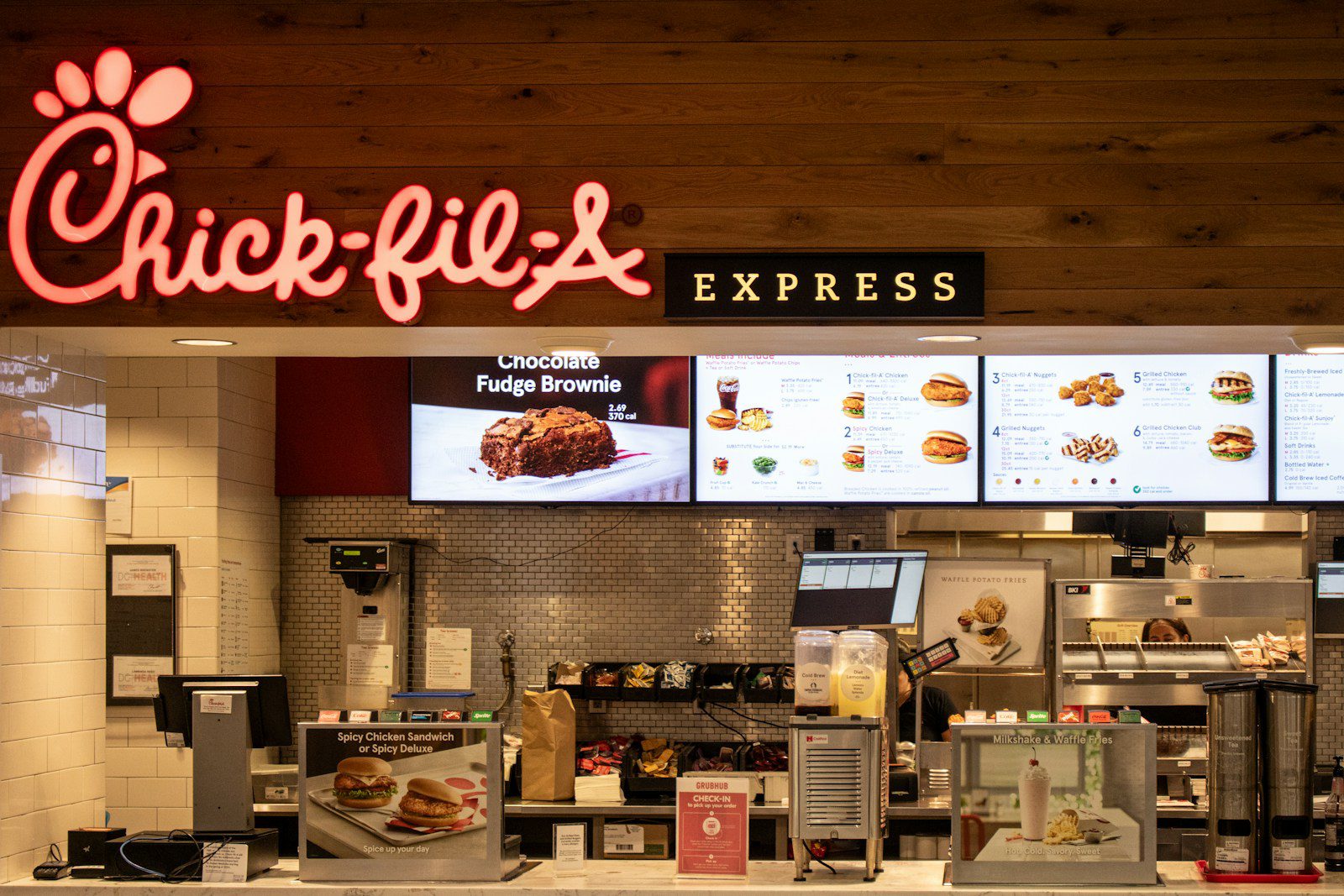
A Colorado mother expecting a routine fast food stop instead walked away furious after spotting an unfamiliar “improvement” surcharge on her roughly $58 Chick-fil-A receipt. Her anger, captured on video and shared widely on social media, tapped into a broader wave of frustration over surprise fees that customers say feel sneaky and, in her words, “should be illegal.”
What might once have been dismissed as a one-off annoyance has quickly become a flashpoint in the debate over how far restaurants can go in passing on costs without clearly explaining them. From “public improvement” add-ons to bag charges and even fees for an “empty” burrito, diners are discovering that the total at the bottom of the receipt can hide more than the menu lets on.
The $58 Chick-fil-A bill that lit the fuse
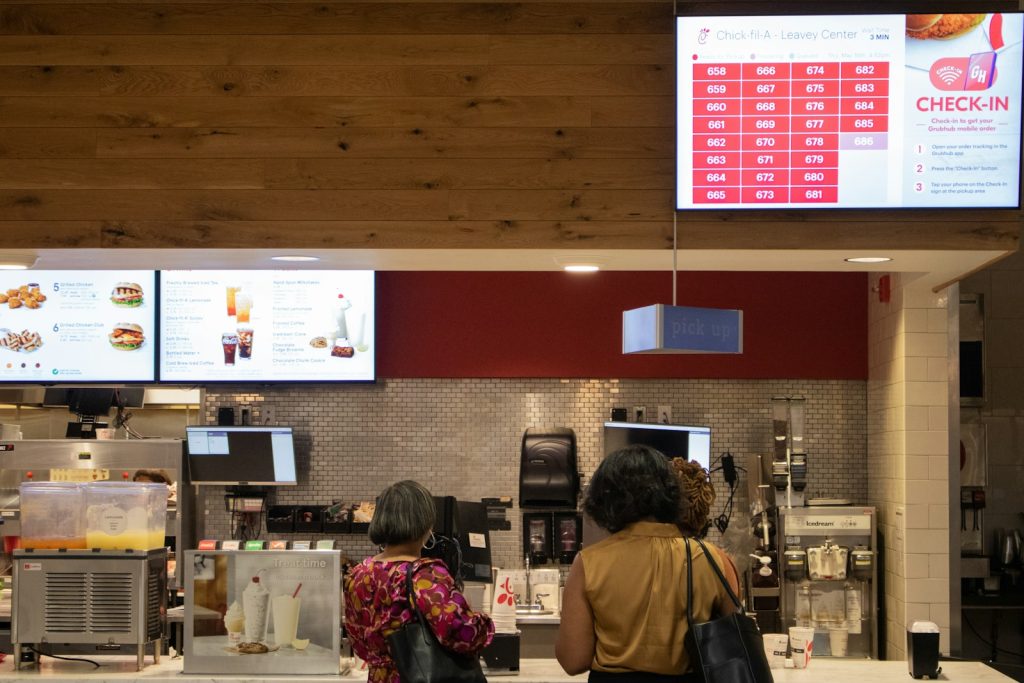
The Colorado mom at the center of the latest uproar did not set out to start a national conversation about restaurant fees. She simply ordered food for her family at a Chick-fil-A, then later noticed that her roughly $58 bill included an extra line item labeled as an improvement or public improvement charge. The discovery, which she described as infuriating, prompted her to record the receipt and vent about how an unexpected fee on top of an already pricey order “should be illegal,” a sentiment that resonated with viewers who feel nickel-and-dimed at the register.
Her clip, shared across social platforms, showed the total and the mysterious surcharge sitting alongside the usual food items and taxes, turning what looked like a standard fast food tab into a case study in modern pricing. The reaction was swift, with thousands of comments piling up as people debated whether a Chick-fil-A in Colorado should be tacking on a separate improvement fee to a $58 family meal and whether customers had been adequately warned about it in the first place, according to one detailed account of the Mom shocked incident.
How a “Public Improvement Fee” ended up on a chicken sandwich receipt
Behind the outrage is a relatively obscure mechanism known as a Public Improvement Fee, often shortened to PIF, that some shopping center developers use to help pay for infrastructure and amenities. Instead of raising traditional rent, a landlord can require tenants to add a small percentage fee to every sale, then remit that money to fund things like parking lots, landscaping, or shared facilities. One business owner described being obligated by a property developer to impose a 1 percent PIF and to post a notice at the register explaining that the charge was not a government tax but a private fee tied to the development, according to one explanation of how a One PIF works.
In the Colorado Chick-fil-A case, the extra line on the receipt appears to be exactly that kind of Public Improvement Fee, applied automatically at checkout as part of the restaurant’s lease obligations inside a particular shopping center. Local radio coverage noted that the fee is collected for the general upkeep of the area, not as a city tax, and that it is specific to certain developments rather than a chain-wide policy. That nuance, however, is little comfort to customers who only learn about the arrangement when they spot a “Public Improvement Fee” or similar wording on their Chick-fil-A receipt and feel blindsided by a charge they never knowingly agreed to, as highlighted in coverage of the public improvement controversy.
Jill’s viral TikTok and the baffling “Public Impro” line
The Colorado mom is not alone in her confusion. TikTok creator Jill, who posts under the handle @barberb_wifey, filmed her own Chick-fil-A receipt after noticing a $2 charge labeled “Public Impro” that she had never seen before. In her video, Jill zoomed in on the line item and asked her followers what it meant, sparking a flood of comments from viewers who were equally puzzled by the truncated description. The shorthand “Public Impro” left many wondering whether it was a tax, a tip, or some kind of donation, underscoring how opaque these fees can appear when they are not clearly spelled out.
Jill’s clip quickly spread beyond her usual audience, with users sharing it as an example of why they now scrutinize every line on their receipts. Some commenters explained that the fee was part of a broader Public Improvement arrangement tied to the shopping center, while others argued that the restaurant should have made the policy more obvious before customers reached the register. The debate over Jill’s $2 “Public Impro” charge at Chick-fil-A, and her baffled reaction to it, was captured in detail in a breakdown of how Jill discovered the fee and learned that the money goes toward upkeep of the area.
Colorado’s Chick-fil-A locations and the fee patchwork
Part of the confusion stems from the fact that not every Chick-fil-A in Colorado is charging the same extra fee, even within the same metro area. Social media posts from local residents point out that only certain locations, particularly those inside specific shopping centers, appear to be adding a Public Improvement Fee to every order. One widely shared Facebook post emphasized that this was happening in Colorado and that Some Chick-fil-A locations there were adding a “Public Improvement Fee,” while stressing that it was not a statewide policy or a government tax but a private arrangement tied to particular developments, according to a detailed Colorado discussion.
Local radio coverage echoed that patchwork reality, noting that a Lady who went viral after spotting a “public improvement fee” on her Chick-fil-A receipt in Colorado had stumbled onto a charge that is specific to certain properties rather than a uniform chain rule. The segment explained that the fee is collected for general upkeep of the area, reinforcing that it is tied to the landlord’s requirements rather than a city ordinance or a corporate surcharge. That nuance, however, does little to ease the frustration of customers who feel that if a Chick-fil-A in Colorado is going to add a fee beyond food and tax, it should be clearly disclosed before they place their order, a point that came through strongly in coverage of the WATCH moment.
Why surprise fees hit a nerve in an era of tight budgets
The anger over a few extra dollars on a fast food bill might seem disproportionate until it is viewed against the backdrop of household finances. Many Americans are either in debt, living paycheck to paycheck, or struggling to keep up with bills, which means even small unexpected charges can feel like a breach of trust rather than a minor inconvenience. When a family budgets for a meal based on menu prices and tax, only to find an unexplained improvement fee or service charge tacked on at the end, it can feel like the rules of the transaction changed without their consent, a dynamic highlighted in a social media post noting that Many working Americans are in exactly this position and that customers regularly question such charges, as described in a widely shared Many Americans commentary.
That financial pressure helps explain why a $2 Public Improvement Fee or a similar add-on can generate outsized outrage online. For families watching every dollar, the principle matters as much as the amount: if a restaurant or shopping center needs to cover upkeep costs, customers argue, it should be built into the listed prices or at least disclosed prominently before they order. Instead, they often discover the fee only after the card has been swiped, which fuels a sense that businesses are quietly shifting their own obligations onto consumers who have little choice but to pay or walk away hungry.
From “empty burritos” to bag fees, Chick-fil-A’s other receipt flashpoints
The public improvement controversy is only the latest example of Chick-fil-A receipts sparking debate. Earlier this year, a Chick customer shared a photo of her breakfast order on Facebook that showed she had been charged $2.35 for a no-meat, no-cheese burrito, essentially paying for an “empty” tortilla. She argued that the charge was “crazy” given that she had removed the most expensive ingredients, while others countered that the tortilla, labor, and packaging still cost money. The post, which centered on the $2.35 line item, illustrated how even clearly labeled charges can feel unfair when customers believe they are paying for something they did not receive, as detailed in a breakdown of the Facebook receipt dispute.
Another viral post showed Chick-fil-A fans divided after a receipt revealed what some called a “crazy” charge, with Some arguing that the customer was overreacting and others insisting that the line item was ridiculous. Commenters debated whether the customer was being a “Karen over a few bucks” or raising a valid point about transparency and value, underscoring how sensitive diners have become to every extra dollar on their bills. That split reaction was captured in coverage of how Chick fans clashed over whether the charge was justified or exploitative.
Outrage, algorithms, and the viral life of a receipt
What might once have been a private complaint to a manager now routinely becomes viral content, amplified by platforms that reward outrage and surprise. A short video of a Chick-fil-A receipt with a mysterious fee can rack up hundreds of thousands of views in hours, as users share it with captions expressing disbelief or anger. One radio host admitted that he never checked his receipts from restaurants until he saw a lady’s clip about a public improvement fee at a Chick-fil-A in Colorado, which had gone viral enough to catch his attention and prompt a segment explaining that the money went toward general upkeep of the area, as recounted in coverage of the Jan broadcast.
Short-form video platforms have become especially powerful in this dynamic, with clips of receipts and on-screen annotations spreading quickly through recommendation algorithms. A YouTube Short, for example, summarized how chick-fil-a agreed to pay 4.4 million dollars in a settlement over delivery fees, turning a complex legal case into a bite-sized narrative about hidden costs and corporate accountability. That video, which referenced the 4.4 figure and framed it as a consequence of how fees were presented to customers, shows how even legal settlements can be repackaged into viral content that shapes public perceptions of a brand, as seen in a widely shared Oct clip.
Legal and consumer pushback on Chick-fil-A’s fee practices
The controversy over improvement fees and surprise charges is unfolding against a backdrop of formal legal challenges to how Chick-fil-A has handled add-on costs in other contexts. A recent class action settlement required the company to pay 4.4 million dollars to resolve claims that its delivery fees were misleading, with plaintiffs arguing that advertised prices did not match what customers ultimately paid once all charges were included. The settlement applied only to certain states, but it signaled that courts and regulators are paying close attention to how restaurants describe and disclose their fees, as outlined in coverage of the 4.4 million agreement.
Separately, The Chick-fil-A class action settlement over delivery fees has been limited to five states, including New Jersey, California, Florida, Georgia, and one other jurisdiction, with a deadline for eligible customers to file a claim. That geographic focus underscores that legal scrutiny of Chick-fil-A’s pricing practices is not uniform nationwide, even as social media outrage over receipts spreads far beyond those states. The settlement details, including the list of states and the claim deadline, were laid out in a consumer alert about The Chick lawsuit, which has become part of the broader conversation about transparency and fairness in restaurant fees.
Bag fees, loyalty perks, and the blurry line between policy and perception
Supporting sources: Chick-fil-A customer left, Enraged Chick-fil-A customer.
More from Decluttering Mom: