TikTok creator @segamay didn’t hedge. Speaking directly to the camera, she runs through a specific list of household chores and responsibilities she has simply decided are off the table for her as a wife and mother, crediting a supportive husband who picks up what she won’t. No apology, no disclaimer, just a flat list of tasks she’s opted out of for good.
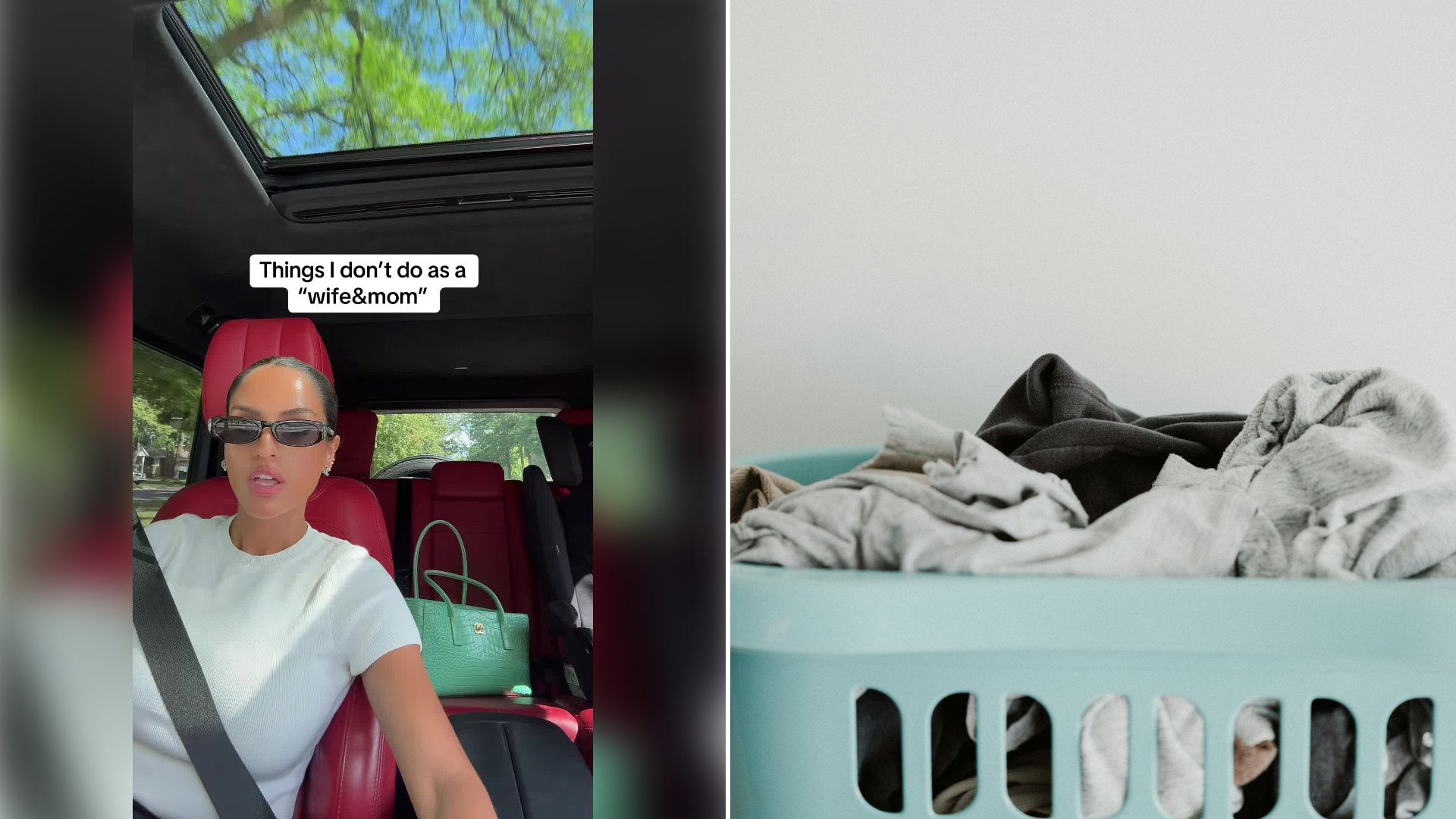
The comment section split almost instantly between people calling it refreshingly honest boundary setting and people calling it exactly the kind of division that leaves a partner doing more than their share.
@segamay
The debate underneath this video is one that household researchers have been tracking for decades, not just a social media argument. Data from the U.S. Bureau of Labor Statistics’ American Time Use Survey has consistently shown that women report spending more time on household activities, like cooking, cleaning, and caregiving, than men do on average, even in households where both partners work full time. That gap has narrowed over the past several decades as more households shift toward dual incomes, but it hasn’t closed, and it’s part of why conversations about who does which chore, and who gets to simply declare a task “not mine,” generate this much reaction whenever they go viral.
Marriage and family researchers who study household labor division point out that the issue is rarely just about the chores themselves. It’s about whether the division was actually negotiated between both partners or whether it settled into place by default, often along old patterns neither person consciously chose. A split that both partners discussed, agreed to, and feel good about tends to hold up fine regardless of how lopsided it looks from the outside. A split that one partner backed into without ever being asked is the version that tends to breed resentment over time, even if the chore list itself looks identical on paper. That distinction, negotiated versus assumed, is usually the difference between a boundary that reads as confident and one that reads as a red flag to outside viewers who can’t see how the conversation actually went.
There’s also a practical argument for naming the chores you won’t do out loud, rather than quietly avoiding them and hoping a partner notices. Relationship and family therapists frequently recommend direct conversations about household expectations specifically because unspoken assumptions are what cause the most friction down the line. A partner who clearly states “I’m not going to be the one handling this” gives the other person real information to plan around. A partner who just quietly never does a certain chore and lets resentment build on both sides is setting up a much harder conversation later, usually after frustration has already taken root.
Whether viewers land on “honest” or “controversial” often comes down to their own household’s version of this exact negotiation. For couples where chores were split by conversation and mutual agreement, a list like this one reads as simple clarity. For anyone watching from inside a household where the division never got discussed at all, it understandably reads differently. Either way, the viral reaction says less about this one couple and more about how unresolved this particular conversation still is in a lot of homes.
More from Decluttering Mom
- Mom Explains Why She Puts Her Marriage Ahead of Her Kids and Describes What That Looks Like in an Ordinary Week Inside Her Busy Family Home and Why It Matters
- Woman Who Does Free Cleans of Badly Cluttered Homes Says Cleaning Does Not Cure Depression and Asks Viewers to Swap How Could Someone Live Like This for What Might Have Happened
- Mom Says She Got Defensive About Parenting Advice Years Ago and Explains How Her Mind Changed As Her Children Grew and the Lessons She Now Passes On