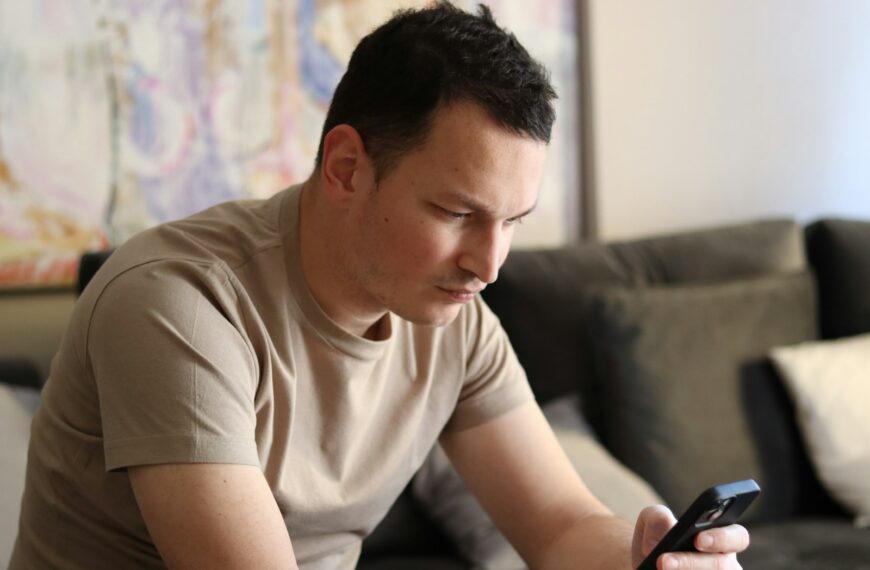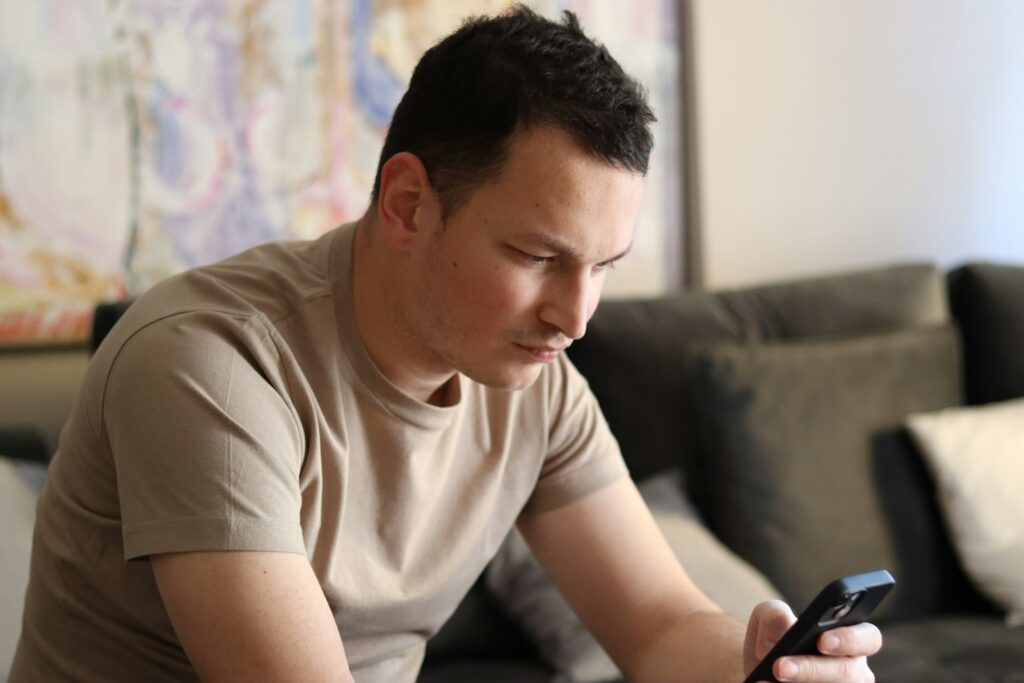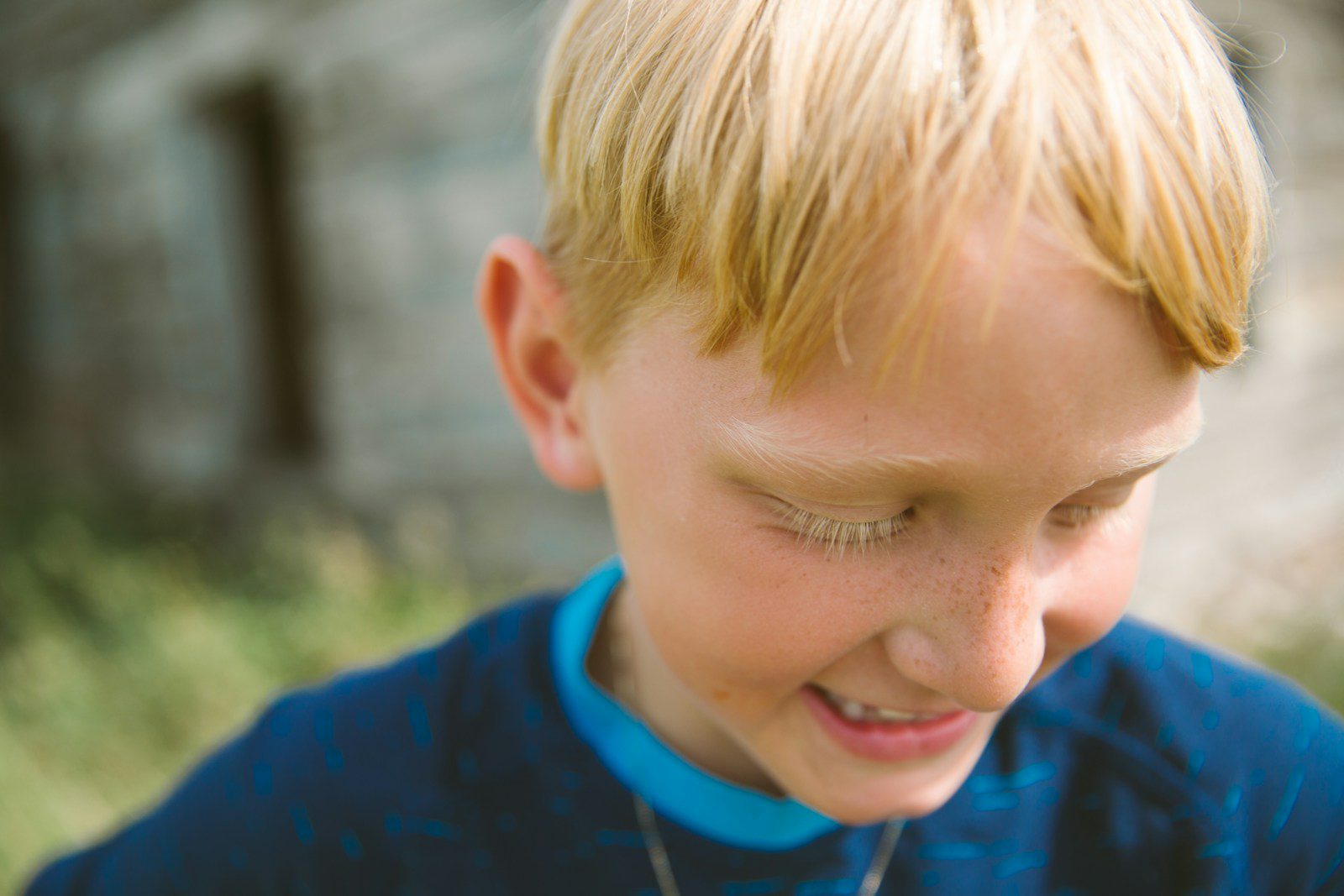
The first sign was so small it barely registered. A faint patch of discoloration on 7‑year‑old Lukas Caldwell’s cheek looked like a shadow that would probably fade on its own. Months later, that subtle mark turned out to be the opening move of Parry‑Romberg Syndrome, a rare disorder that slowly eats away at the skin and soft tissue of the face.
By the time doctors put a name to it, the condition had already begun to change Lukas’s appearance and his daily life. His story shows how a quiet mark on a child’s skin can signal a serious autoimmune disease, and how one family learned to navigate a diagnosis that most people have never even heard of.
The tiny patch that changed everything
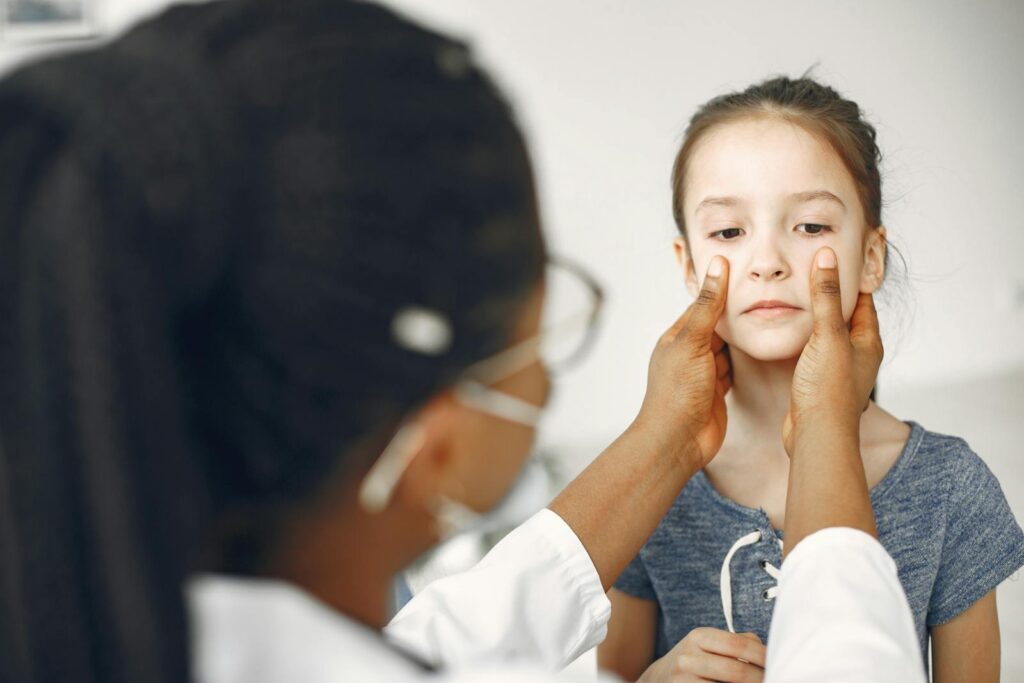
Lukas was in elementary school when his mom first spotted the off‑colored area on his face. It did not hurt, it did not itch, and for a while it barely seemed to change. As the months ticked by, the lighter patch started to look sunken, and the skin around it seemed tighter and thinner. That was when his mom pushed for answers and took him to a dermatologist, a step that eventually led to a diagnosis of Parry‑Romberg Syndrome.
Parry‑Romberg Syndrome, often shortened to PRS, is described in medical literature as a rare autoimmune disorder that gradually destroys soft tissue on one side of the face. In Lukas’s case, that meant the fat and skin on his cheek began to thin, giving his features an uneven look that no amount of sleep or hydration could fix. The condition can affect muscles and even bone, so the earlier the diagnosis, the better the chance of slowing the damage. One detailed summary notes that PRS is a that targets the tissue underneath the skin rather than the surface alone.
Living with a disorder that “eats” the face
Once specialists confirmed the diagnosis, Lukas and his family had to adjust quickly. PRS does not just tweak a yearbook photo; it can reshape a child’s entire profile. Over time, the side of Lukas’s face affected by Parry‑Romberg Syndrome appeared more hollow, and his jawline shifted as the underlying structures changed. The condition can come with neurological issues and dental complications, which meant a growing team of doctors around one small boy. A clinical overview of similar skin disorders notes that early changes in skin are often the first clue that something deeper is going on.
PRS is considered extremely rare, and one report on Lukas’s case points out that PRS affects roughly. That kind of rarity can be isolating for a child who already feels different when he looks in the mirror. As the visible changes progressed, Lukas’s parents eventually pulled him out of school for a time so he could focus on medical care and heal away from the daily scrutiny of classmates. The emotional weight of watching a child’s face slowly wither is hard to put into words, and one family account describes the early days of diagnosis as a surreal blur of appointments and new vocabulary.
Surgery, social media and finding a voice
Stopping the progression of PRS and rebuilding what has been lost is not a quick fix. Lukas has undergone jaw reconstruction, fat grafting and a complex free flap transplant, a series of procedures that surgeons used to restore volume and symmetry to his face as the disease quieted. His mom has described how the family pushed for aggressive care as symptoms got worse, leaning on specialists who understood the long game of treating Parry‑Romberg Syndrome. Another profile of the family’s journey notes that Lukas’s life took a shocking turn when Lukas’s face slowly, a blunt description that captures how invasive the condition can feel.
Out of that experience, Lukas has built something unexpected. As he grew older, he started sharing his life with Parry Romberg Syndrome on TikTok, turning the camera on a face that had been the source of so much pain. A profile of his online work describes how Lukas Caldwell is who uses his platform to talk through surgeries, recovery and the everyday reality of looking different. He is not alone in that approach. Another young person with the same condition, identified as Jul, has used social platforms to document life with Parry‑Romberg syndrome, helping more families recognize that a faint patch on a child’s skin can be the start of something serious.
For Lukas’s mom, sharing their story has become part warning, part lifeline. She has spoken about the surreal moment of realizing that a small discoloration at age 7 was actually the first sign of Parry‑Romberg Syndrome, and how connecting with other parents helped her imagine what her child’s life might look like years down the road. Advocacy groups that focus on rare diseases, including those that track Parry‑Romberg Syndrome, now point families toward stories like Lukas’s as a way to turn fear into action. The diagnosis may be rare, but the first clue, a small change in a child’s skin, is something any parent can learn to spot.
More from Decluttering Mom: