You know what it feels like when every meal turns into a debate with a chatterbox who won’t sit still. She talks, negotiates, and stalls until you’re exhausted — and you want a simple, reliable way to end the bargaining without turning mealtime into a battleground.
Give one clear, nonnegotiable eating routine plus two predictable choices at each meal so she feels in control without turning every bite into a negotiation. This piece shows how to set boundaries, use short scripts that work, and offer practical swaps that keep her engaged and fed.
Expect concrete strategies you can use tonight: how to structure the plate, what phrases calm the negotiations, and small rewards that actually support steady eating instead of feeding the chatter.
Managing Meals With a Talkative and Negotiating 4-Year-Old

Mealtime needs clear roles, consistent limits, and simple routines so conversation stays pleasant and food gets eaten. Small changes in timing, wording, and expectations cut negotiating and help the child learn to self-regulate.
Why Some Kids Negotiate Every Bite
Many 4-year-olds negotiate to test limits and gain control over their day. At this age they practice language and autonomy, so saying “no” or bargaining over bites feels like a useful skill. Parents who give in occasionally reinforce that negotiating works, which can turn a few requests into a persistent habit.
Hunger, sensory preferences, and attention needs also drive bargaining. Fatigue or overstimulation makes patience short, and unfamiliar textures or mixed foods can trigger protest. Observing patterns — time of day, sleep, and which foods provoke bargaining — helps parents change the context instead of arguing in the moment.
How Conversation Impacts Mealtime
Talkative children can derail a meal when conversation becomes transactional: “If you eat broccoli, then you get dessert.” That links social time with rewards and makes every bite negotiable. Neutral, positive conversation keeps meals about connection rather than conditional trades.
Use short, predictable phrases to redirect chatter that turns into bargaining. Examples: “We’re talking about our day,” or “Food time is for eating and talking.” Limiting mealtime topics that invite negotiation—like treats, toys, or TV—reduces opportunities to bargain. Praise neutral behaviors: “Thanks for sitting” or “I like how you’re trying the carrot.”
Setting Positive Meal Boundaries
Define and communicate three concrete rules: when the family eats, where (dining table or chair), and what counts as acceptable behavior (no bargaining, one small request). Post these rules visually at the child’s eye level and review them briefly before meals.
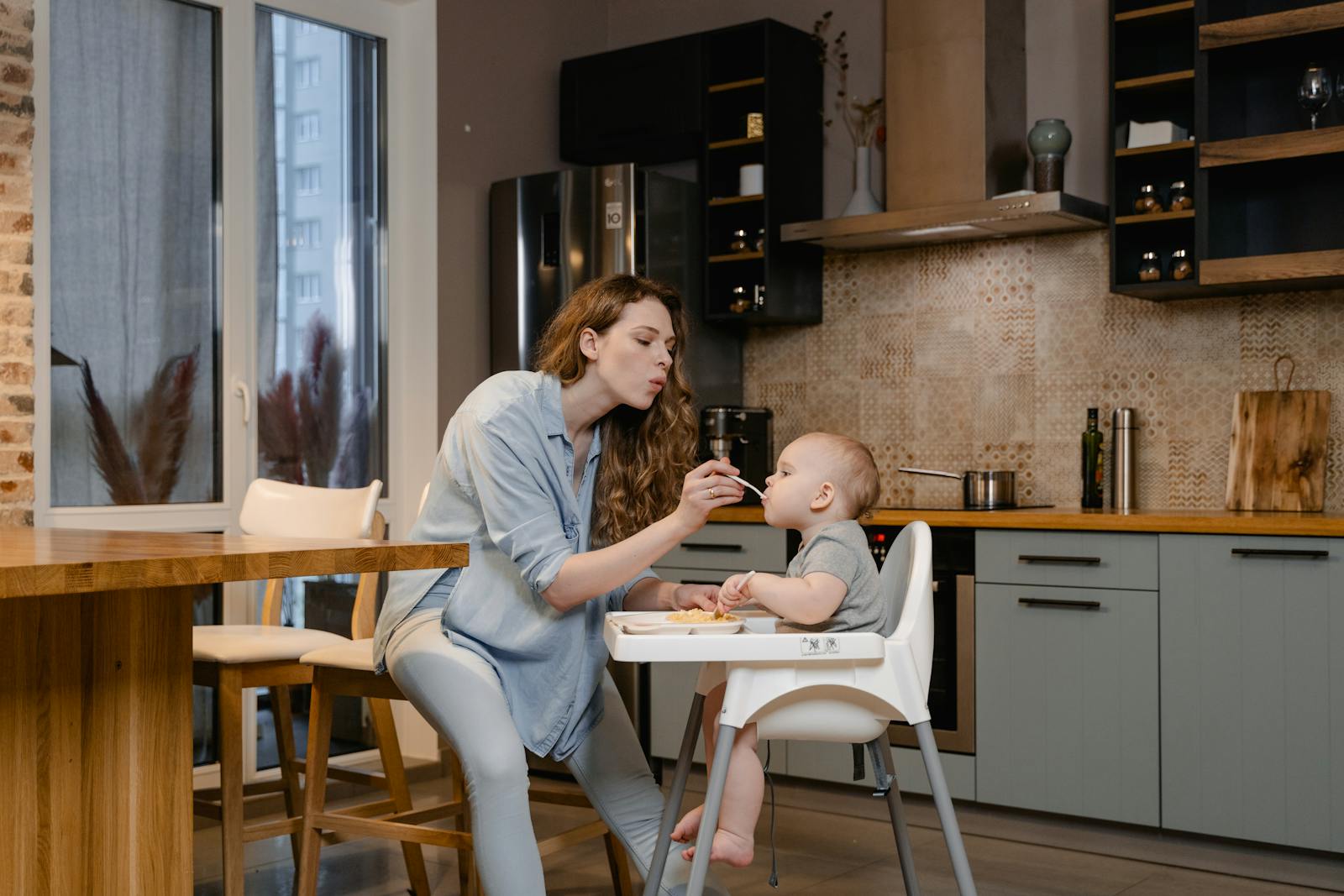
Use a two-choice approach to give limited control: “Do you want apple slices or banana with your sandwich?” Offer one familiar food plus one new item on the plate. If the child refuses, remove the plate after 20–30 minutes without drama and offer the next scheduled meal or snack. Consistency matters; parents must follow the routine together to avoid short-order cooking and mixed messages.
Practical Tips to Encourage Eating Without Endless Deals
Use small, concrete changes that make mealtime smoother: set a calm routine, offer limited choices, and steer conversation so it doesn’t become bargaining. Keep control of what’s served and let the child control whether and how much to eat.
Making Mealtimes Fun but Focused
Keep a simple rule: talk at the table, not negotiate the plate. Use a short mealtime timer (10–20 minutes) so everyone knows mealtime has a clear start and end. A visual timer on the table helps a chatty child see when it’s time to finish without repeated reminders.
Introduce one playful ritual that doesn’t revolve around food — a silly napkin fold, a “high-five” for trying something new, or a quick round where each person names one thing they liked that day. These small rituals redirect energy and make the table a positive place without turning food into a prize.
Limit screens and high-stakes questions. Ask open, light conversation starters (“What color was the sky today?”) rather than pressuring “Eat your broccoli” prompts. That keeps conversation flowing and reduces bargaining.
Meal Routines for Talkative Kids
Serve meals at consistent times so hunger becomes predictable. A predictable snack schedule (e.g., 3:30 snack, 6:00 dinner) prevents grazing that undermines dinner appetite. Put food down and say nothing about how much should be eaten.
Offer the main plate plus one familiar item you know the child will accept. For example: roast chicken, steamed carrots, and a small bowl of apple slices. That satisfies parental responsibility to provide nutrition while avoiding nightly negotiations.
Keep portions child-sized. Too-large servings invite refusal and stalling. Use a small plate and a child cup. If the child refuses, remove the plate after the set timer rather than extending negotiations. This teaches limits without coercion.
Empowering Kids With Choices
Offer limited, controlled choices to defuse power struggles. Instead of “What do you want for dinner?” say, “Do you want carrots or peas with dinner?” or “Do you want your sandwich cut into squares or triangles?” Choices should be between two healthy options parents approve.
Make choices predictable: a weekly rotation chart with two vegetable options per meal helps the child feel in control but keeps decisions manageable. Visuals work well — stickers or photos on the fridge the child can point to.
Avoid making dessert contingent on eating other foods. If the family wants dessert sometimes, present it as part of the meal plan (e.g., dessert on Fridays) rather than a bargaining chip. That prevents kids from viewing healthy food as a hurdle to a reward.
More from Cultivated Comfort: