A mother of two has opened up about a reality many women face but few discuss publicly: how breastfeeding and postpartum body changes have left her feeling less connected to her femininity. While she loves her children and the ability to nurse them, the physical and emotional toll has created complicated feelings about her identity as a woman.
The mom’s candid admission challenges the common expectation that mothers should simply feel grateful for their bodies after childbirth, regardless of how those changes make them feel about themselves. Women who experience bodily changes during and after pregnancy often report feeling less confident and struggling with their changing appearance, yet societal pressure to remain positive can make these emotions feel forbidden.
Her story highlights a tension between motherhood and personal identity that many women navigate silently. The expectation to embrace every aspect of the postpartum experience, from how birth happens to how bodies change, often leaves little room for mothers to process their own complex feelings about the transformation their bodies undergo.
Living With Breastfeeding And Postpartum Body Changes
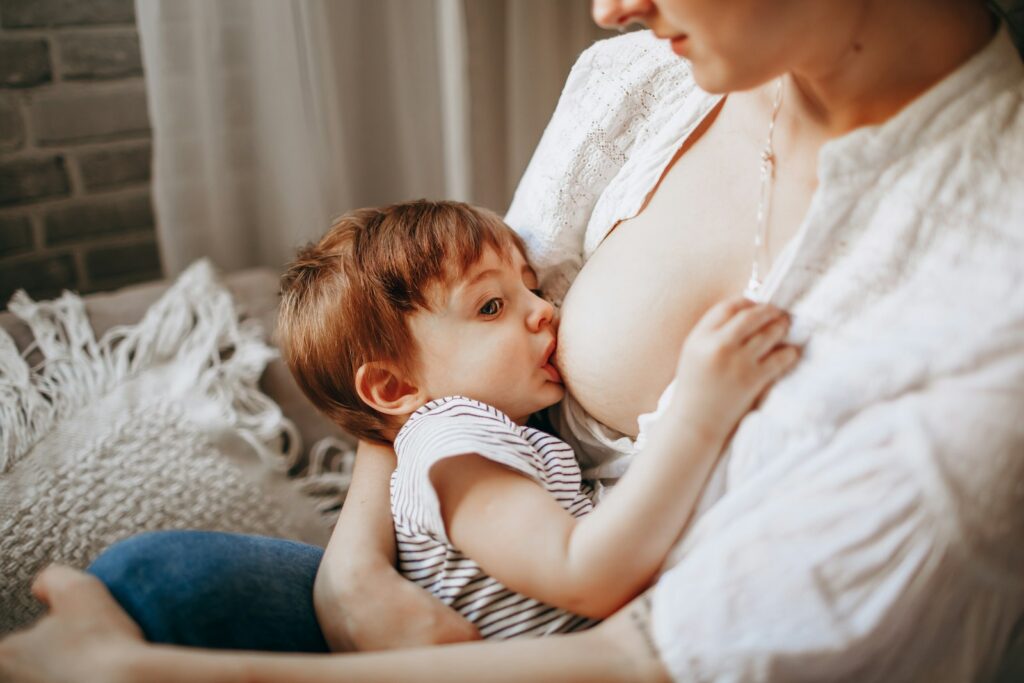
The physical transformations that accompany motherhood can create unexpected emotional struggles, particularly when changes to breasts, weight, and body shape challenge a woman’s sense of femininity. Many mothers experience feelings of disconnect from their pre-baby selves while simultaneously facing pressure to feel nothing but gratitude for their healthy children.
Emotional Impact Of Feeling ‘Less Womanly’
She looks in the mirror and doesn’t recognize herself. The breasts that once felt like part of her identity now serve a purely functional role, often changing in size, shape, and appearance throughout the day depending on when her baby last nursed.
For many women, postpartum body and mind changes extend far beyond physical adjustments. These mothers describe feeling like their bodies no longer belong to them—constantly touched by feeding babies, changed by hormones, and marked by pregnancy’s lasting effects.
The disconnect between how society portrays femininity and the reality of a postpartum body creates internal conflict. She might feel guilty for mourning her former body while holding her healthy baby. These complicated feelings are often kept private, shared only in whispered conversations with close friends who understand the nuance of loving your child while struggling with the physical cost.
Common Body Changes After Birth
Her body tells the story of two pregnancies and countless nursing sessions. Breasts that once felt predictable now fluctuate in size throughout the day, sometimes feeling uncomfortably full and other times deflated.
The physical and emotional changes after giving birth include stretch marks that weren’t there before, a softer midsection, and sometimes a wider ribcage or different shoe size. Her hips might remain permanently wider than before pregnancy.
Common physical changes include:
- Breast size fluctuations during nursing
- Changes in breast shape and skin elasticity
- Abdominal muscle separation (diastasis recti)
- Wider hips and ribcage
- Hair texture and volume changes
- Skin pigmentation shifts
These changes often persist long after the postpartum period ends, becoming her new normal rather than temporary inconveniences.
Mom Guilt And Navigating Outside Expectations
Everyone tells her she should just be grateful. Friends and family remind her that her body created two healthy babies, as if this fact should erase any complicated feelings about the physical toll.
She knows her children are blessings. But she also knows that gratitude and grief can coexist. The expectation that motherhood should override all other feelings creates a silence around the real struggles women face.
When she admits feeling less attractive or less feminine, responses often minimize her experience. People suggest she focus on her beautiful family or remind her that “bodies change.” These well-meaning comments don’t acknowledge that she can love her children deeply while also mourning aspects of her former self.
The pressure to “bounce back” conflicts with the reality that her body might never return to its previous state. She navigates contradictory messages: embrace your postpartum body, but also work to change it. Be grateful for what your body accomplished, but don’t complain about how it looks now.
Challenging The ‘Be Grateful’ Narrative
When mothers express feelings of loss or discomfort with their postpartum bodies, they often face immediate pushback to focus on gratitude for their healthy babies. This dismissive response ignores legitimate emotional struggles that many women face after childbirth.
Understanding Compassion Toward New Moms
The pressure to feel only gratitude after becoming a mother creates an impossible emotional standard. Women who feel less womanly after major medical procedures face higher risks of depression, yet society continues to minimize these concerns.
New mothers deal with dramatic physical changes that include shifted organs, stretched skin, altered breast tissue, and hormonal fluctuations. These aren’t minor adjustments. When someone expresses discomfort with these changes, telling them to “just be grateful” dismisses real grief over a body that feels unfamiliar.
The cultural expectation that mothers should sacrifice their identity and comfort without complaint creates a toxic environment. Women can simultaneously love their children and mourn aspects of their pre-pregnancy bodies. These feelings aren’t mutually exclusive, though the constant gratitude messaging suggests they should be.
Supporting Body Acceptance After Childbirth
Genuine support means acknowledging the full spectrum of postpartum experiences without judgment. Breastfeeding requires developing skills and often comes with physical discomfort that society expects women to endure silently.
Physical changes after childbirth include:
- Permanent breast tissue alterations
- Stretched abdominal muscles
- Changed hip structure
- Scarring from tears or surgical procedures
- Shifts in body fat distribution
Having a cesarean section doesn’t make a body inadequate, nor does struggling with breastfeeding or postpartum body image. Women deserve space to process these changes without immediate redirection to gratitude. Validation of their feelings creates healthier pathways to eventual acceptance than forced positivity ever could.
More from Decluttering Mom: