

A San Antonio mom who posts as @karlamendoza8067 on TikTok planned a joint birthday party for her two daughters, one just turned 13 and the other just turned 10. This year the girls each wanted a cake of their own. She paid a local home baker in advance for both. On party day, there were no cakes, no word and no refund.

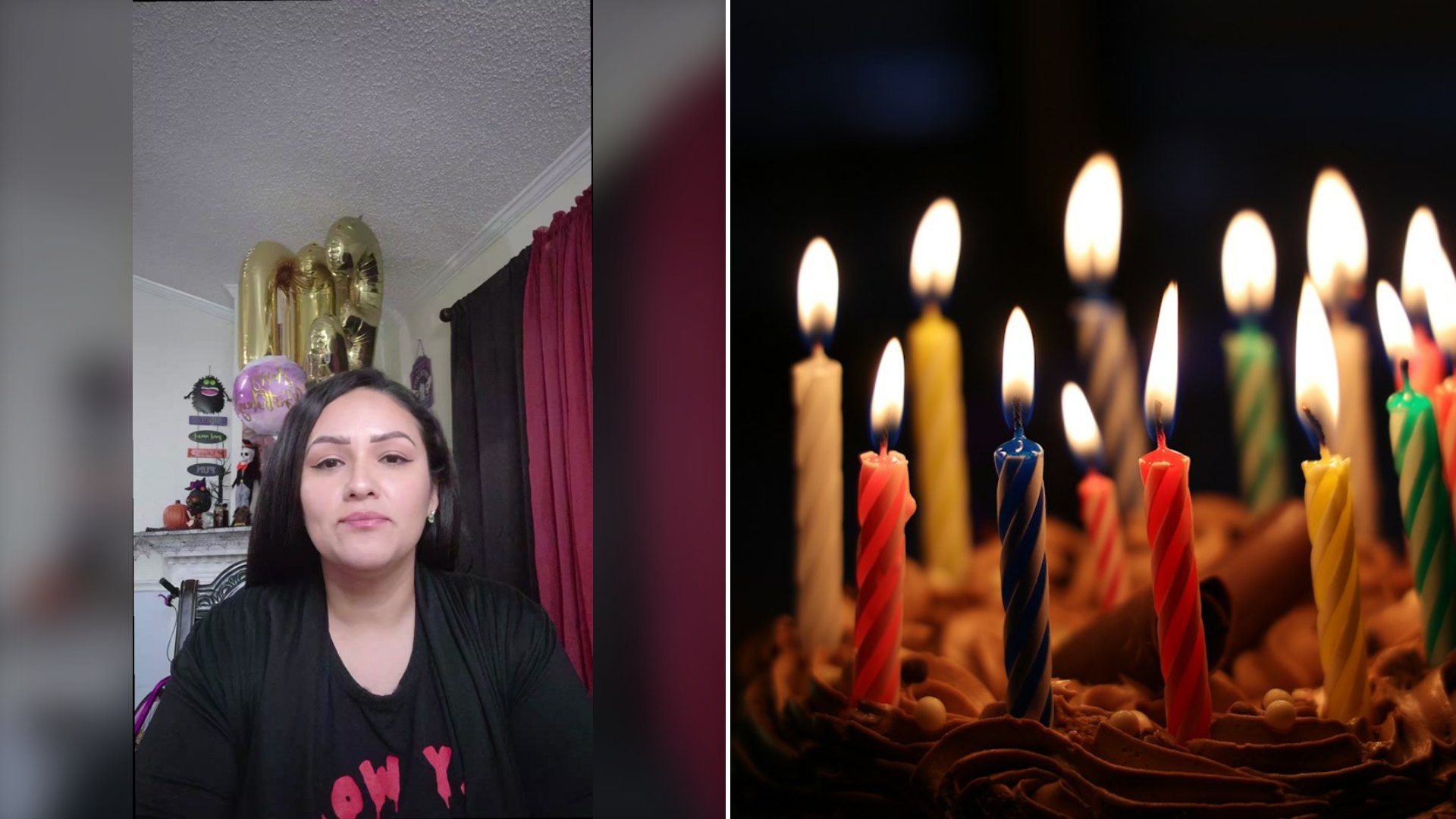
She explains that the girls’ birthdays fall five days apart, so the family always celebrates together. When she spotted a home baker on TikTok running a $35 cake promotion, where customers named a theme and the baker took creative control, it seemed like the perfect fit. The baker was local, the cakes looked good, and the comments were full of happy customers thanking her for cakes that tasted as good as they looked. “She looked trustworthy,” the mom says.
Around the first week of September, she placed her order for October 17 and sent payment through Cash App. The baker even sent her the pickup address. Everything looked fine.
The Baker Went Quiet
In October, she went back to confirm. The baker’s TikTok account was gone. Luckily, she had saved a screenshot of the baker telling another customer to find her on Facebook. The mom does not use Facebook, but she made an account just to reach her. The baker’s page was there, but her message went unanswered.
Then she noticed the baker’s father on the page, encouraging people to buy his daughter’s cakes. Not knowing what else to do, she politely reached out to him. He gave her his daughter’s phone number and said he would text her too.
That seemed to work. The baker texted back, remembered the order and even recalled the details, a yellow cake and a pink one. Relieved, the mom thanked them both.
Two days before the party, she checked in again to confirm a 1:30 pickup for both cakes. No reply. She called and left a voicemail. Nothing. She went back to the father, sharing screenshots of the Cash App payment so he would know she was telling the truth. She describes him as very nice and very sweet. He told her it was unlike his daughter and unprofessional not to answer a customer who had paid in advance, and he said he would reach out himself. Still nothing.
@karlamendoza8067
“You didn’t just steal something from me,” she says. “You took something from my children.” She says her younger daughter has special needs and was especially excited about the little critter cake she had picked out. Her point is a simple one. If the baker could not do the order, she could have said so in time and given the money back. She says she plans a follow up showing the messages.
How to Protect Yourself When Ordering From Home Bakers
Home bakeries are a wonderful part of many communities, and in Texas, cottage food laws allow people to sell many baked goods made in their own kitchens. Most home bakers are honest and hardworking. But small, one person businesses have no backup when life gets in the way, and buyers have fewer protections. A few habits can save you a lot of heartache.
Pay in a way that protects you. Peer to peer apps like Cash App, Zelle and Venmo are designed for paying people you know and trust. Once money is sent, getting it back can be very difficult. A credit card, or a payment service with purchase protection for goods and services, gives you a way to dispute a charge if the order never arrives.
Offer a deposit, not the full price. Many bakers accept a deposit to cover ingredients, with the balance due at pickup. If a baker insists on full payment weeks ahead, think it over.
Get everything in writing. Date, pickup time, flavors, design and price should all be in one message thread you can screenshot.
Confirm a week out and again a few days before. If you hear nothing, you still have time to switch to a grocery store bakery. Many can decorate a cake in a day or two.
Have a plan B. For milestone birthdays, it is worth knowing which local bakery can fill a last minute order, just in case.
If a Seller Takes Your Money and Disappears
Start by sending a polite, written request for a refund, and keep a copy. Report the payment through the app you used, even if recovery is unlikely. You can also file a report with the Federal Trade Commission at ReportFraud.ftc.gov and a complaint with the Texas Attorney General’s consumer protection division, or your own state’s attorney general if you live elsewhere.
For a clear unpaid debt, small claims is an option. In Texas, these cases are heard in justice court, and the filing fee is usually modest. Bring your screenshots, payment receipts and message history.
Notice that this mom did a lot right. She checked the page, read the comments, saved screenshots and confirmed more than once. Even careful buyers can get burned, which is why the payment method matters so much. This mom’s daughters still had their party, but not the cakes they had dreamed about. Her story is a reminder that the warmest looking business page cannot replace a written agreement, a protected payment and a backup plan.
More From Decluttering Mom
- Pregnant Mom Thinks a Podcaster Cleared Her Entire Baby Registry, Learns Every Purchase Was Fake, Then Watches More Than 40 Strangers Step In to Buy the Gifts for Real
- Contractor Scams Are Exploding This Summer — Here’s How to Spot a Fake Before You Get Burned
- Collection Agency Demands Thousands to Resolve a Six-Year-Old License Suspension, Refuses to Provide a Single Document Showing the Debt or Reinstatement Terms, and Hangs Up the Moment the Driver Asks Questions