A Minnesota mother’s plea for protection from immigration agents on school grounds has crystallized a new front line in the national immigration fight: the classroom. As Immigration and Customs Enforcement activity intensifies and long standing safeguards are rolled back, parents are pressing school boards to say clearly whether they will shield children or cooperate with federal officers. The answer, so far, depends heavily on where a child happens to live.
A mother’s unanswered question and a climate of fear
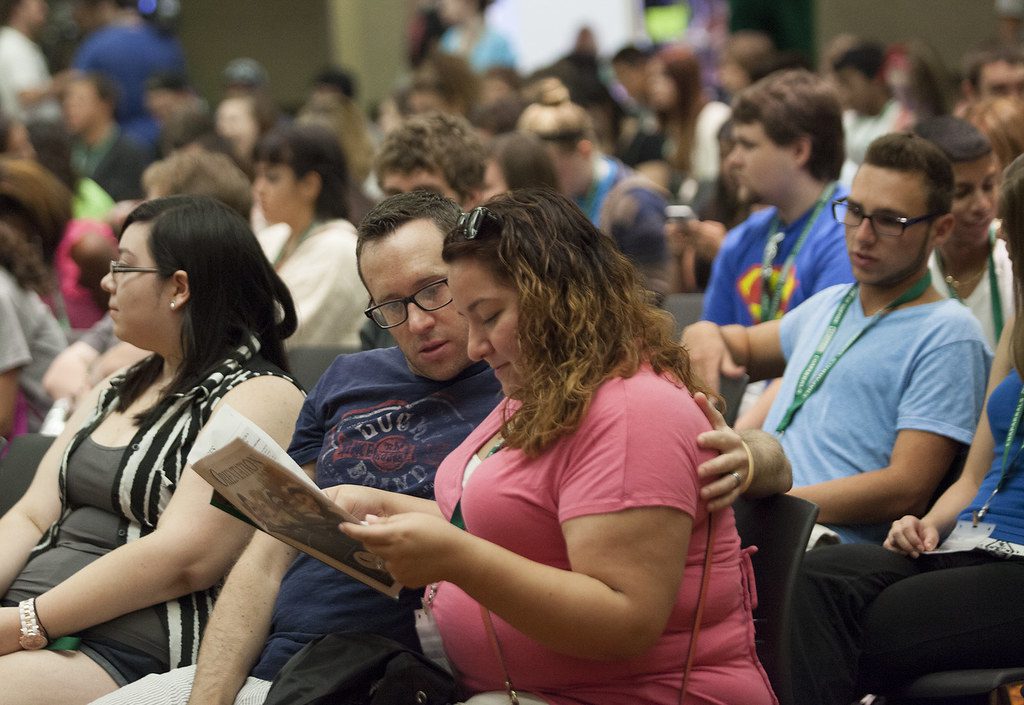
At a recent school board meeting in Minnesota, a mom identified as Jessica Woodcock calmly asked how district leaders would respond if Immigration and Customs Enforcement agents appeared on campus, and whether her children would be protected. According to accounts of the exchange, the board chair refused to meaningfully engage with her, even as she repeated the question and described her fears for kids who might be targeted because of their families’ status, a tense moment captured in a clip labeled What and framed as essential for parents to Know. In a separate description of the same meeting, the mother is named explicitly as Jessica Woodcock, who continues pressing the board even as members appear visibly uncomfortable, underscoring how basic questions about safety now require public confrontation.
Her anxiety is not hypothetical. Earlier this month, in an incident that has reverberated across Minneapolis Schools, an ICE agent fatally shot a 37-ye old man during a federal operation, an event described under the banner Federal Immigration Enforcement Sparks Safety Concerns and explicitly tied to worries about student security. In nearby St. Paul, district leaders have responded to the broader enforcement climate by allowing Students from Paul public schools who do not feel comfortable on campus to attend online classes instead, a striking acknowledgment that immigration enforcement is now directly affecting whether children feel safe enough to show up for school at all.
From “sensitive locations” to school board showdowns
The confrontation in Minnesota is unfolding against a rapidly shifting legal backdrop. Advocates note that the Trump administration, on January 20 of last year, revoked the Obama era policy known as the Revocation of Sensitive, which had discouraged immigration arrests at schools, hospitals, and places of worship. Legal guidance now urges districts not to authorize ICE to enter campuses without a judicial warrant and stresses that all children, regardless of their immigration status, have a right to attend school, but the loss of a clear federal shield has pushed decisions down to local boards that are often ill prepared for the political and legal stakes.
Some parents are trying to force those decisions into the open. In New Jersey, a parent in the Madison School District recently asked board members to spell out what would happen “if ICE shows up” at a campus, warning that without a plan, Parents and students could panic if agents appear at a school door. In Florida, the Sarasota School Board took the opposite tack, passing a resolution that explicitly affirms cooperation with ICE after hundreds of residents spoke, including a mother of three from Minneapolis who traveled to warn that such policies could endanger children like hers. The contrast highlights a patchwork of responses that leaves immigrant families guessing whether their local school is a refuge or a potential enforcement site.
Districts and states improvise protections as enforcement widens
While some boards lean toward cooperation, others are racing to codify protections. In California, Chico Unified trustees recently updated their immigration enforcement policy to make clear that staff should not collect unnecessary information about status and that any contact with federal agents must be tightly controlled. One board member, Rodriguez Kmec, framed the change in simple terms, saying, “All children really should have the opportunity to learn and grow without fear,” and that there is no reason immigration status should interfere with education. In LANSING, Michigan, the state’s top school board has gone further, backing legislation that would limit immigration enforcement in areas affecting students and families, a move that has drawn sharp opposition from some Republican members but is framed by supporters as essential to Michigan student safety.
Outside school walls, the broader enforcement push is intensifying the pressure on classrooms. In Maine, a surge of immigration operations has prompted Gov. Mills to publicly push back, warning that aggressive actions that undermine civil rights are “not welcome,” even as Lewiston Mayor Ca navigates local fallout and Gov allies call for caution in and around schools. Educators in other regions report that children are already disappearing from classrooms: one Alabama teacher, Linda Burgess Musick Based on her own account, described kids missing school or dropping out entirely because of visible ICE activity, recalling a student who begged classmates to “get the kids to get out.” Against that backdrop, the Minnesota mother’s plea is less an isolated outburst than a distilled version of a national question: in an era of stepped up enforcement and the Revocation of Sensitive Locations Memorandum, will school boards treat campuses as extensions of the immigration system or as places where children, regardless of status, can still feel safe enough to learn.
More from Decluttering Mom: