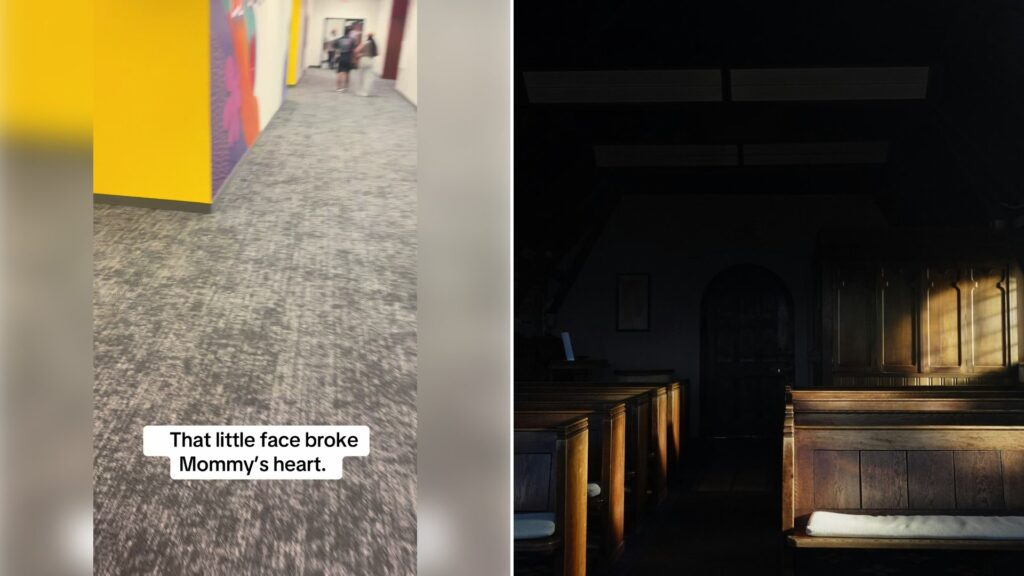
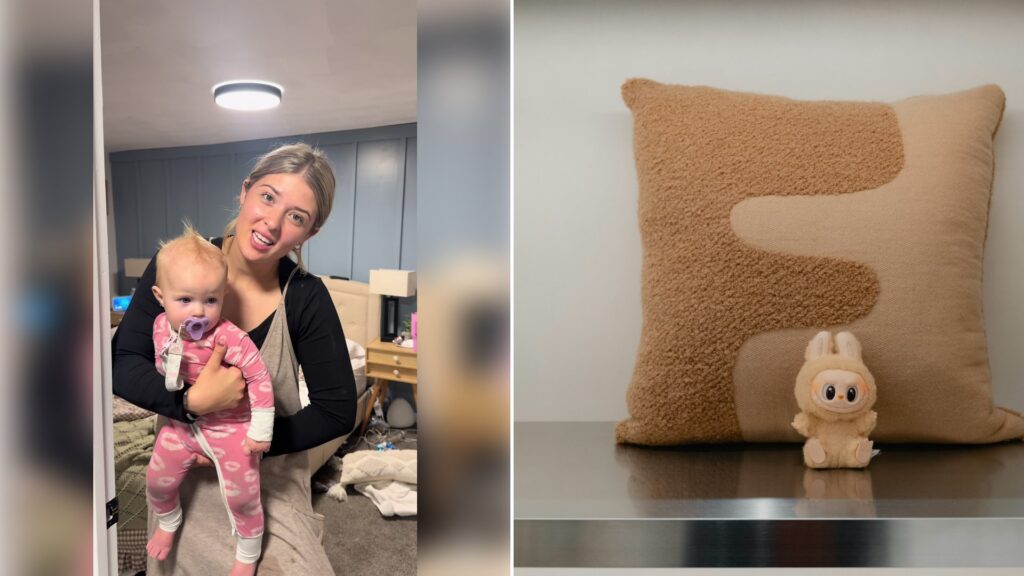
@sarah_sweeten_ pulls over and records herself speaking directly and honestly about how hard postpartum life has been for her, with no filter and no attempt to soften it for the camera. She says plainly that whether someone is in the postpartum period or just struggling with life in general, all of it is welcome to be talked about in that space, an open invitation that reads as both a release for her and a message to anyone watching who feels like they have to hide how hard things really are.
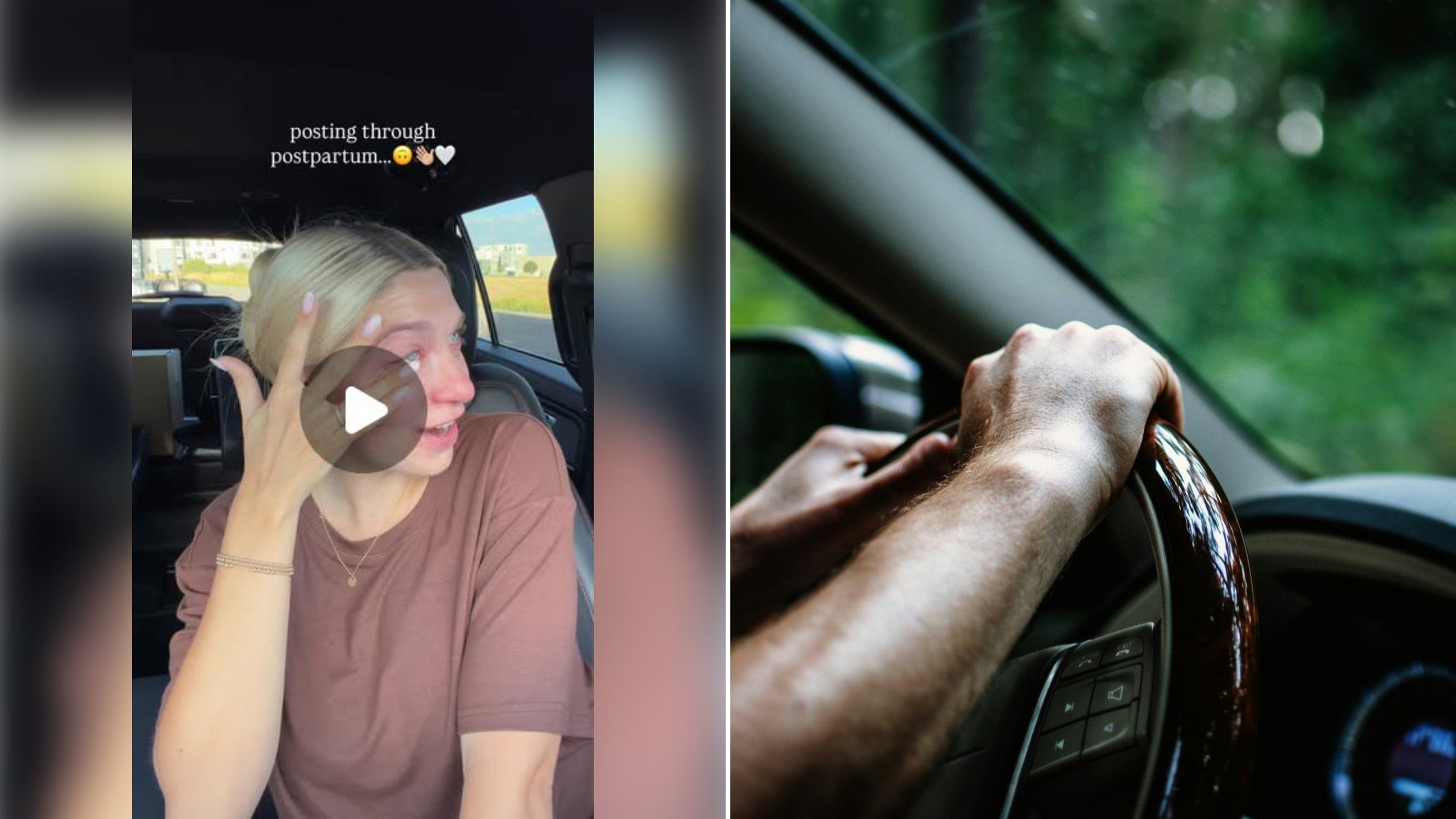
There is nothing performative about the video. It plays like a moment she needed to get out of her system in real time, parked somewhere quiet, talking through what postpartum has actually felt like compared to what she expected going in.
Postpartum mood and anxiety disorders are far more common than most new parents are prepared for going in. Researchers and health organizations that track maternal mental health consistently find that roughly one in seven new mothers experiences postpartum depression, and postpartum anxiety is believed to affect a similarly large share, with many cases going unreported or undiagnosed because symptoms get dismissed as normal new parent exhaustion rather than something worth raising with a doctor.
Part of the problem is how differently postpartum depression and anxiety can present compared to the sadness most people associate with depression. It can show up as irritability, a sense of numbness, constant worry about the baby’s safety, or a feeling of disconnect from a role a parent expected to feel instantly bonded to. Because none of that matches the stereotype, many parents assume what they are feeling does not count as something to seek help for, which is exactly the kind of silence a video like this one is trying to break.
Maternal health organizations consistently encourage new parents to bring up mood changes at postpartum checkups rather than waiting to be asked, since screening does not always happen automatically and symptoms can emerge or worsen weeks or months after delivery, well past the standard six week follow up visit. Support options range from talking to an OB or primary care provider, to therapists who specialize in perinatal mental health, to postpartum support groups, many of which now meet online specifically to reach parents who cannot easily leave the house with a newborn.
Videos like this one matter because they chip away at the idea that struggling after having a baby is rare or shameful. The comments on posts like this tend to fill quickly with other parents saying some version of the same thing, that they needed to hear someone else say it out loud first before they felt able to admit they were struggling too.
More from Decluttering Mom
- Mom Says She Was Already in Early Labor While Filming Herself Caring for Her Baby Chicks and Did Not Realize It Until Hours Later, Then Shares How Her Unmedicated Midwife Birth Went
- Mom Lying in a Hospital Bed Beside Her Newborn Twins Looks at a Photo of Her Toddler on Her Phone and Says No One Prepared Her for the Grief of Her Firstborn Not Being Her Baby
- Single Mom Says Emergencies Are So Hard as She Films Her Toddler Climbing All Over a Hospital Stretcher, Then Turns the Camera on Her Own Masked and Tired Face