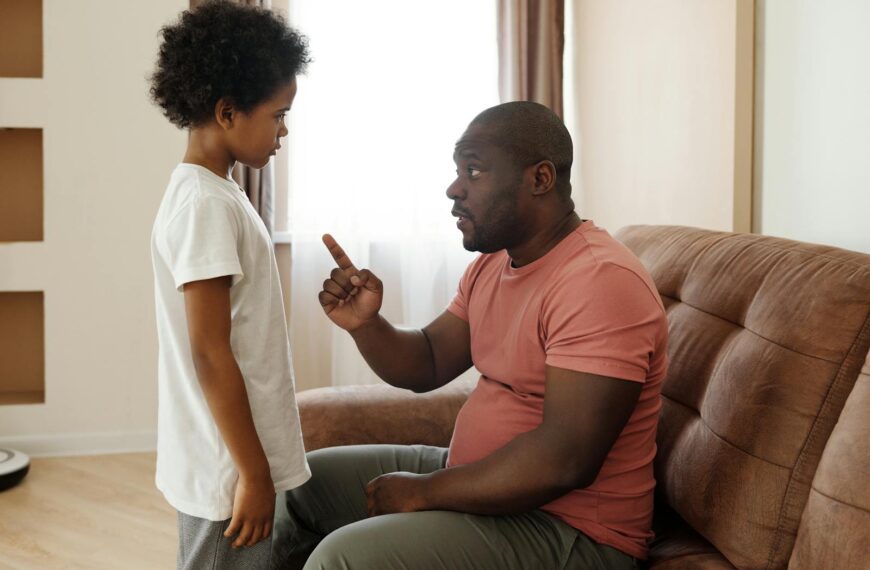
A lot of parents focus on stopping teen lying once it starts, but the harder question is what made honesty feel unsafe in the first place. When every confession leads to shame, panic, or harsh judgment, many teenagers do not become more truthful. They just get better at hiding things.
That is the real lesson at the center of this story. One mom realized her daughter’s secrecy was not coming from nowhere. It was growing out of a pattern where honesty felt less like a chance to talk and more like a setup for punishment.
In a post from @selflovebyannie, the mom explained that her daughter had become sneaky and dishonest, until her own father pointed out something painful but important: kids often start hiding things when they feel judged every time they tell the truth.
@selflovebyannie These are the important keys over learned over the years of raising teens. #tiktok #fyp #foryoupage #dreamsfamily #teens
Why Teens Start Hiding Things at Home
Teenagers usually do not become secretive just because they want to be difficult. A lot of the time, they are trying to protect themselves from a reaction they already expect.
If a teen knows that telling the truth will lead to anger, lectures, or feeling humiliated, they may decide that lying is easier than dealing with the fallout. From the parent’s side, it can look like disrespect or manipulation. From the teen’s side, it can feel like self-defense.
That is what makes this dynamic so damaging. The more a parent reacts with judgment, the more likely a teen is to hide the next thing too.
The Real Problem Is When Honesty Feels Like Trouble
What this mom seemed to realize is that the issue was not only her daughter’s behavior. It was also the emotional pattern around their conversations.
If a teen comes forward about a mistake, a crush, a bad decision, or something awkward, and the first response is criticism, that honesty quickly starts to feel dangerous. The child learns that telling the truth does not bring support or guidance. It brings stress.
That does not mean parents should ignore bad choices. It means the first goal should be keeping the door open long enough to actually teach something. A teenager who is scared of being judged will often stop bringing their real life home.
Guidance Works Better Than Shame
One of the strongest ideas in this story is that teens often need explanation more than immediate condemnation. Instead of reacting with shame, a parent can still correct the behavior while helping the child understand the consequences.
That shift matters. Telling a teen why a choice could hurt their friendships, reputation, or future decisions teaches far more than simply making them feel bad in the moment. It keeps the conversation focused on judgment and growth rather than fear.
That seems to be the change this mom made. Instead of treating every admission like an offense, she started treating it like an opening to guide her daughter through better choices.
First Mistakes Should Teach, Not Just Punish
Another valuable point here is the difference between a first mistake and a repeated pattern. A teenager who makes a bad call for the first time may need correction, but they also need room to learn.
That is how kids build judgment. They make choices, see outcomes, and start connecting actions to consequences in a way that actually sticks. When parents use every mistake as proof that a child cannot be trusted, they can miss the chance to teach the lesson that matters most.
Stronger consequences may make sense when the same issue keeps happening. But if the first response is always severe, the teen may focus more on avoiding punishment than on understanding what went wrong.
Why This Hits So Hard for Parents and Adults
This story resonates because a lot of adults recognize themselves in it from both sides. Some parents see their own child in that secrecy. Others see their younger selves in the fear of telling the truth at home.
Many people grow up learning to hide things not because they had no conscience, but because being honest felt emotionally expensive. That kind of pattern can last long after the teen years end. It can affect trust, openness, and how safe someone feels being known by the people closest to them.
That is why this lesson lands. It is not just about parenting strategy. It is about what kind of relationship gets built when honesty is met with understanding instead of immediate judgment.
The Bigger Parenting Lesson Here
The real story is not that one teen was lying. It is that secrecy often grows in homes where the truth feels too costly to tell.
Parents do need to set boundaries, correct behavior, and prepare kids for the real world. But if every conversation feels like a punishment, teens may stop bringing their lives to the one place they should feel safest being honest.
That is what makes this realization so important. A teen who feels guided instead of shamed is more likely to stay open, more likely to listen, and more likely to keep coming back with the truth.
More from Decluttering Mom: