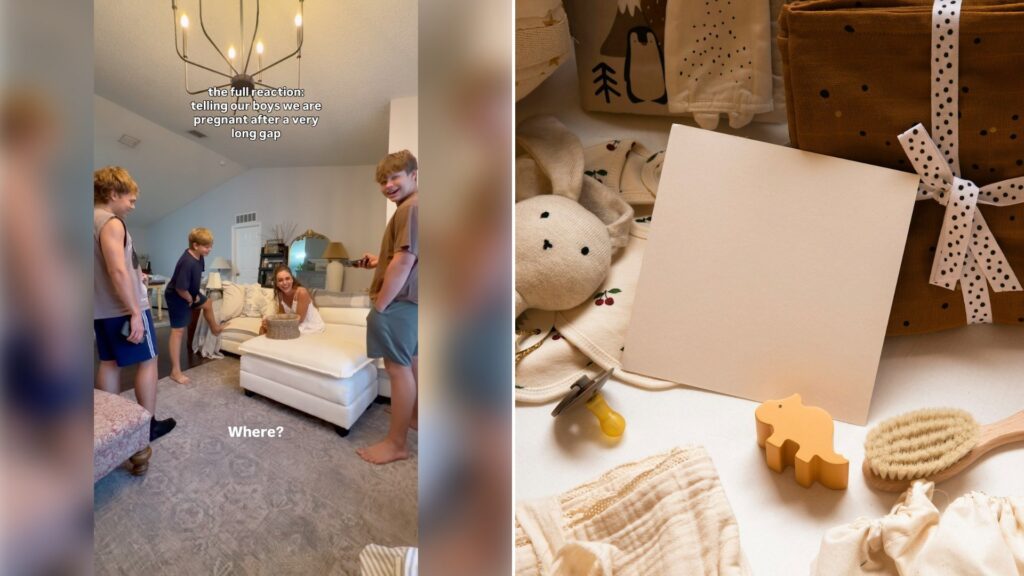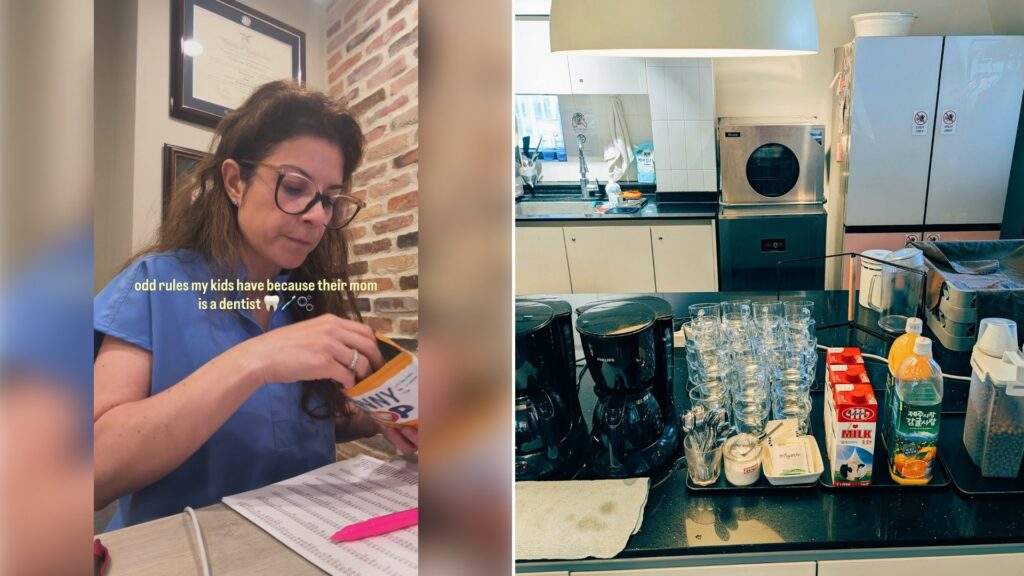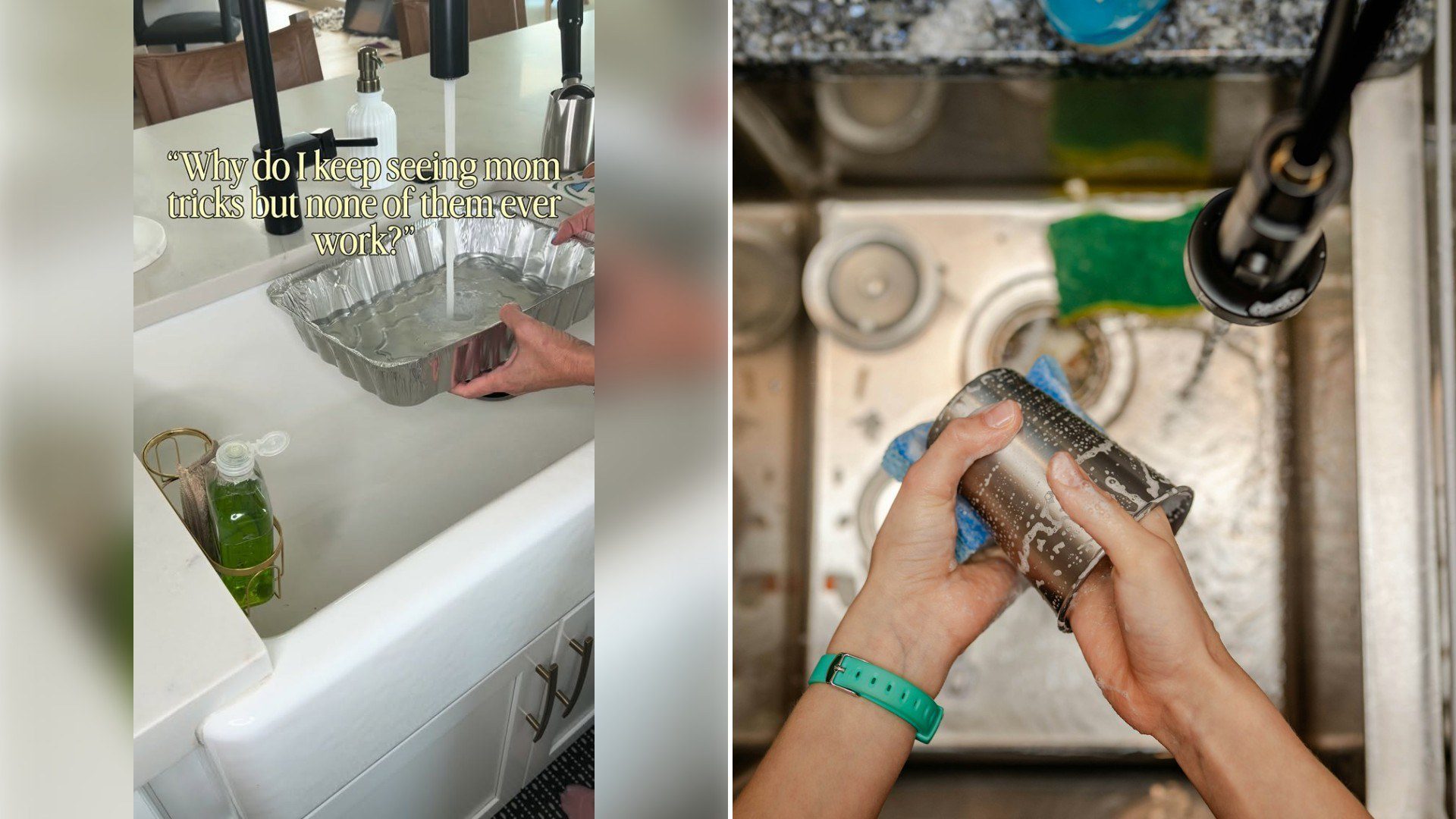
A creator posting under the handle mileswith.minis opens her latest video with a fair question: why do so many viral “mom tricks” fall apart the moment you actually try them at home? From there, she runs through a fast-paced montage of the household and parenting fixes she actually uses day to day, rather than the ones that just look good on camera.
Unlike a single-product demo, the video spans several small systems and fixes in quick succession, giving it more the feel of a tested, lived-in roundup than a staged showcase. That distinction matters to a lot of parents scrolling past an endless stream of “life-changing” hacks that quietly disappear from the creator’s own routine within a week.
The appeal here is really about trust. A hack that’s survived actual daily use, chaotic mornings and all, carries more weight than one demonstrated once under perfect lighting and never mentioned again. Viewers commenting on this kind of content often say as much — they’ve learned to be skeptical of anything that hasn’t clearly been lived with.
For parents wading through the sheer volume of hack content online, that’s a reasonable filter to apply more broadly: give more weight to creators who show a trick working repeatedly, in ordinary conditions, over ones offering a single polished demonstration and moving on.
There’s a familiar cycle to how most viral parenting hacks rise and fall. A trick shows up, gets demonstrated once under ideal conditions — good lighting, a calm toddler, a spotless kitchen — racks up views, and then quietly vanishes from the creator’s account within a couple of weeks, never mentioned again. Anyone who follows enough parenting content long enough starts to notice the pattern: the hacks that get repeated, referenced casually in later videos, or woven into someone’s actual routine are the ones worth paying attention to. Everything else is often just content built for a single viral moment.
What separates this particular roundup from the usual hype cycle is the framing itself. Leading with the admission that most viral tricks don’t hold up sets a different tone entirely — less “watch this amazing hack” and more “here’s what survived contact with my actual life.” That small shift in framing does a lot of work in building trust with an audience that has, by now, been burned by plenty of hacks that looked great in a fifteen-second clip and fell apart on a real Tuesday morning.
It also speaks to a broader fatigue setting in among parents who consume a lot of this content. The sheer volume of “genius” parenting hacks flooding social media has created its own kind of skepticism, where a tip has to clear a higher bar than novelty alone to be taken seriously. Viewers increasingly want to see repetition, wear, and evidence of actual use before they’ll bother trying something themselves, rather than taking a single polished demo at face value.
There’s a reason rapid-fire roundups like this one tend to perform well compared to single-hack videos. Not every tip in the montage will apply to every household — a parent with older kids might skip past the diaper-related fixes, while a parent of a newborn might scroll past school-morning tricks — but the format lets viewers cherry-pick whatever’s relevant to their own stage of parenting without committing to a full video about just one narrow topic.
It’s also worth noting how much more useful this kind of content becomes once it’s framed around longevity rather than novelty. A hack that’s lasted months in someone’s actual routine has already survived the real test: a sick kid, a busy week, a day when nobody had the energy to do anything the “right” way. Tricks that make it through that gauntlet and are still worth mentioning months later tend to be the ones actually worth adopting, rather than the ones that simply looked impressive in a single, carefully staged take.
For viewers who’ve grown wary of hack culture generally, content like this offers something close to a filter built right into the premise: a creator doing the vetting work for them, sorting real household value from fleeting internet spectacle, one rapid-fire montage at a time.
There’s also a useful reminder tucked into the framing for anyone tempted to feel behind after watching a wall of viral parenting content: most of it was never actually meant to be sustainable in the first place. A hack filmed once, under perfect conditions, for a single piece of content isn’t designed to hold up against a real week of sick days, missed naps, and everyone running ten minutes late. Judging your own household against that kind of highlight reel was always an unfair comparison, and content that admits as much upfront is doing its viewers a genuine favor.
Part of what makes a roundup like this rewatchable is the sheer density of it. Rather than stretching one idea across a full minute of video, cramming several fixes into a tight, fast-moving edit respects how little spare attention most parents actually have to give to this kind of content. It’s built for someone scrolling during a feeding, a nap, or a five-minute break between tasks, not for someone sitting down with dedicated time to absorb a single tip slowly.
There’s also something worth noting about the community that tends to build around this kind of skeptical, tested-in-real-life content. Comment sections on videos like this one often turn into their own mini exchange of tips, with other parents chiming in to confirm a hack works, offer a variation that suits their own setup better, or gently push back on one that didn’t hold up in their house. That back-and-forth ends up doing almost as much vetting work as the original video, crowdsourcing a second layer of real-world testing on top of whatever the creator already offered.
By the end of the montage, what sticks isn’t any single hack so much as the underlying approach: skepticism first, actual use as the real test, and a willingness to say plainly that most of what goes viral simply isn’t worth a parent’s limited time and energy.