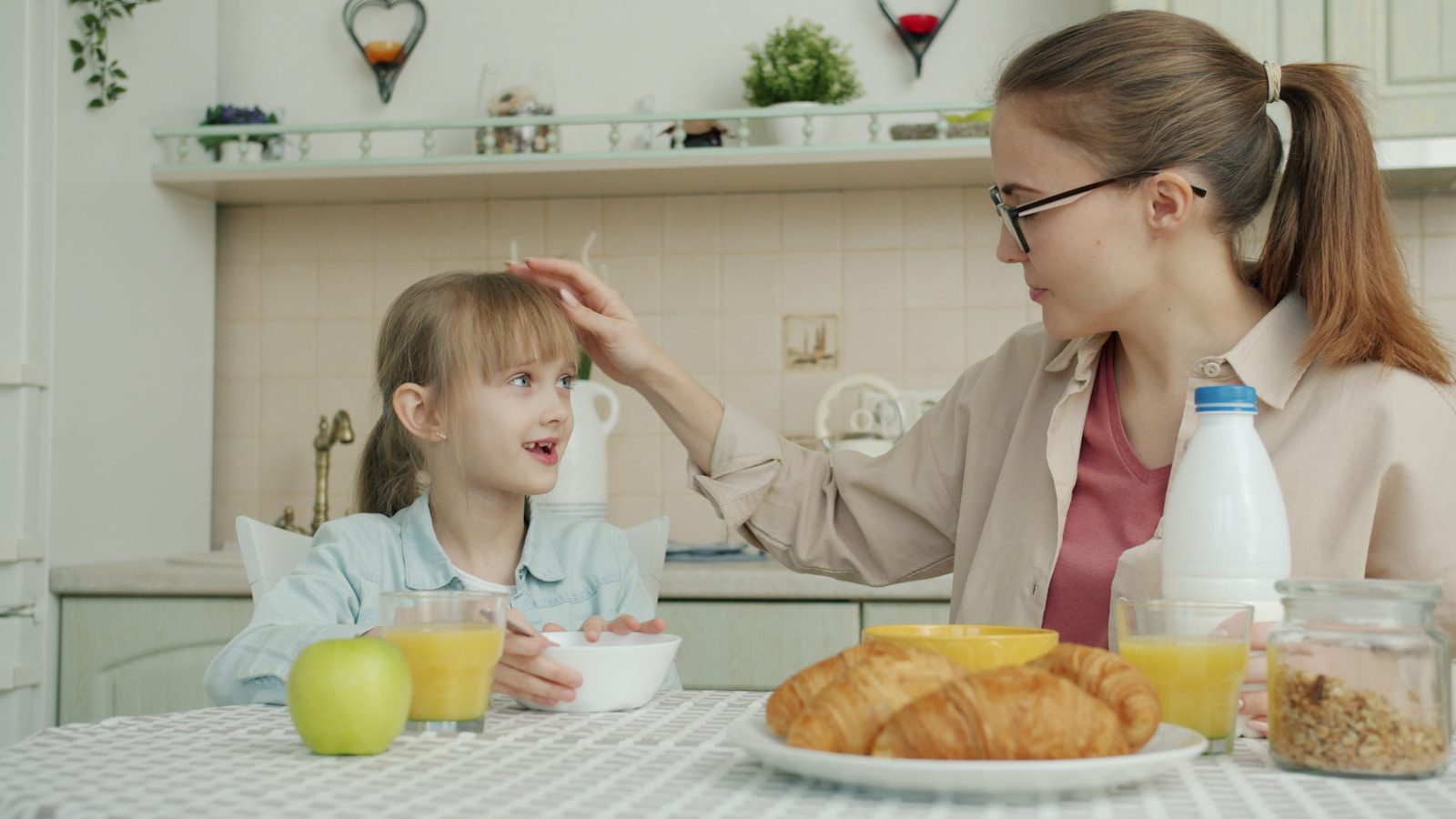
A mom packed her kid a homemade lunch, only to be told by a teacher that her parenting was “concerning.” It is the kind of comment that hits harder than any note about missing homework, because it is not just about food, it is about judgment on how someone is raising their child. And as more parents speak up about similar run-ins, a pattern is emerging around school lunches, cultural bias, and who actually gets to decide what is “appropriate” for kids to eat.
Across classrooms and cafeterias, parents are pushing back on educators who police lunchboxes, from calling traditional dishes “distracting” to labeling snacks “junk.” Their responses, often shared online, show a quiet but growing refusal to let one adult’s opinion override a family’s culture, expertise, or common sense.
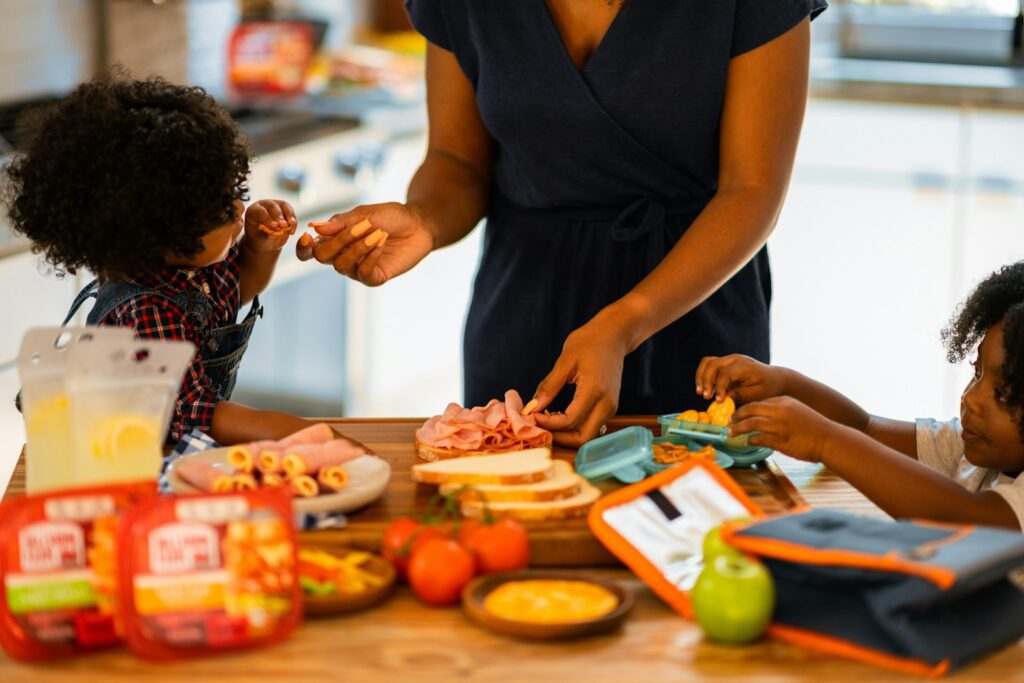
When a teacher’s opinion crosses into parenting judgment
The story that keeps resurfacing in different forms starts the same way: a teacher looks at a child’s lunch and decides it says something about the parent. In one widely shared case, a Korean mom named Jan was told that the food she packed for her 5‑year‑old was “disgusting” and “inappropriate,” and that her choices were a problem for the classroom. Jan later described how the teacher’s criticism quickly shifted from the contents of the lunchbox to a broader swipe at her parenting, framing her decisions as irresponsible rather than simply different from the teacher’s expectations, which she detailed in a call that she eventually ended on her own terms through a firm but calm response to the teacher.
Jan explained that she had been packing meals according to her son’s tastes and her family’s culture, only to be told that her choices were “concerning” and needed to change. She later shared the experience on Reddit, where she described tailoring lunches to her son’s preferences and still being pressured to stop. That gap between what a parent knows about their own child and what a teacher assumes from a quick glance at a lunchbox is where the tension lives, especially when the critique is framed as a moral or developmental failing instead of a simple question about ingredients or allergies.
Culture, kimchi, and the “distracting” lunch
Food is rarely just food, especially for families whose traditions do not match the standard cafeteria menu. In another viral account, a Mom said a teacher called her son’s kimchi lunch “distracting” and “inappropriate,” and even asked that she stop sending it. The child’s classmates reportedly reacted to the smell and appearance, and instead of using that moment to talk about different cultures, the teacher treated the Korean dish as a problem to be removed, according to the Reddit thread the Mom shared.
That framing matters. Calling kimchi “distracting” does more than critique a smell, it signals to a 5‑year‑old that something normal in his home is unwelcome at school. The mother acknowledged that the dish has a strong scent, but she also pointed out that the solution cannot always be for the child with the “different” lunch to conform. Her story echoes Jan’s experience, where a teacher described Korean food as “disgusting” and “inappropriate,” language that was later repeated in coverage that quoted a family physician and author of Deep Nutrition while discussing how adults talk about “junk food” and children’s health. When cultural dishes are lumped into the same bucket as ultra‑processed snacks, kids get the message that their heritage is on the same level as candy for breakfast.
“Good” food, “bad” food, and the note that pushed back
Not every conflict is about culture. Sometimes the clash is over the idea that certain foods are morally “good” or “bad,” and that a teacher has the right to enforce that judgment. Caroline, a mom who works in childhood and nutrition, found out that her daughter’s teacher had been dividing foods into “good” and “bad” categories in class. Instead of quietly stewing, Caroline slipped a note into her daughter’s lunchbox explaining that she was well equipped in the field of childhood and nutrition and that her child had permission to eat everything in her lunch without guilt, a message she later described while defending her expertise as Caroline.
In a second note, she broke down nutrition in kid‑friendly language, pointing out that if a child only eats carrots or broccoli, their body will not get the protein it needs to grow strong muscles, and if they only eat chicken, they will miss out on vitamins and fiber. Her bottom line was simple: “Food is just food,” a phrase she highlighted while explaining that no single item should be treated as a moral test, which she reinforced in her explanation that “Food is just food!” in the note. That approach lines up with research on how adult comments about eating can shape kids’ relationships with food, including a 2014 review by Katie Loth, Jayne Fulkerson, and Dianne Neumark‑Sztainer that examined how controlling or judgmental messages from adults can backfire, a point later summarized in a piece that cited the work of Katie Loth, Jayne Fulkerson, and Dianne Neumark‑Sztainer.
Lunchbox notes as quiet protest
For a lot of parents, the most practical way to answer a teacher’s criticism is not a meeting in the principal’s office, it is a piece of paper tucked next to the sandwich. One mother, featured in a widely shared clip, wrote a note that said her daughter Evelyn had permission to eat everything in her lunch and that childhood should include treats and joy, a message she placed in Evelyn’s lunchbox and later described as a reminder that kids get only one childhood and it is “beautiful,” as she explained while talking about Evelyn.
Another mom slipped a sharper note into her preschooler’s bag after being told to cut back on certain snacks, writing that the food she packed was fine and that the teacher should not label items as “good” or “bad.” That message, shared as part of a broader conversation about lunch notes, was framed as a reminder that kids’ meals are not a group project and that parents, not teachers, make the final call on what goes into the box, a point that was highlighted in a discussion of how Lunch notes can carry everything from encouragement to firm boundaries. Years earlier, Francesca Easdon used a similar tactic for a very different reason, sending a message that read, “Please tell Kyler that his mommy loves him so much and I’m thinking about him,” a note she said she originally included with her son’s lunch to comfort him, as she later recounted while talking about Francesca Easdon and her son Kyler. In all of these cases, the note becomes a small but pointed way to reclaim the narrative around what the lunch represents.
Where teachers’ concerns end and parents’ authority begins
None of this means teachers should ignore genuine health or safety issues. If a child shows up every day with nothing but energy drinks and candy, or if there is a serious allergy risk, educators have a responsibility to speak up. In one discussion of Jan’s story, a nutrition expert weighed in on how “junk food” lunches can affect kids’ health, pointing to the long‑term impact of ultra‑processed diets and the role adults play in shaping habits, a perspective that was shared while talking about Nutrition and the way school meals are scrutinized. The problem is when that concern slides into shaming, or when teachers conflate their personal preferences with universal rules.
More from Decluttering Mom: