A mother’s complaint that airline staff singled her out over the mess her young children left on a flight has tapped into a raw, global argument about parenting, public space, and who is responsible for cleaning up at 35,000 feet. What might once have been a quiet disagreement between a family and a crew member now routinely explodes into viral posts, celebrity commentary, and polarized debates about basic courtesy. The latest uproar shows how a few kernels of popcorn on the floor can become a referendum on what parents owe fellow passengers, and what airlines owe their youngest customers.
At the center of the controversy is a familiar script: a parent says a crew member shamed her for not tidying every crumb, while others insist that looking after kids includes cleaning up after them. The stakes feel higher because these clashes play out in cramped cabins where strangers are trapped together, and because social media ensures that a single frustrated post can reach millions before an airline has even filed an internal report.
The Popcorn Flight That Sparked a Firestorm
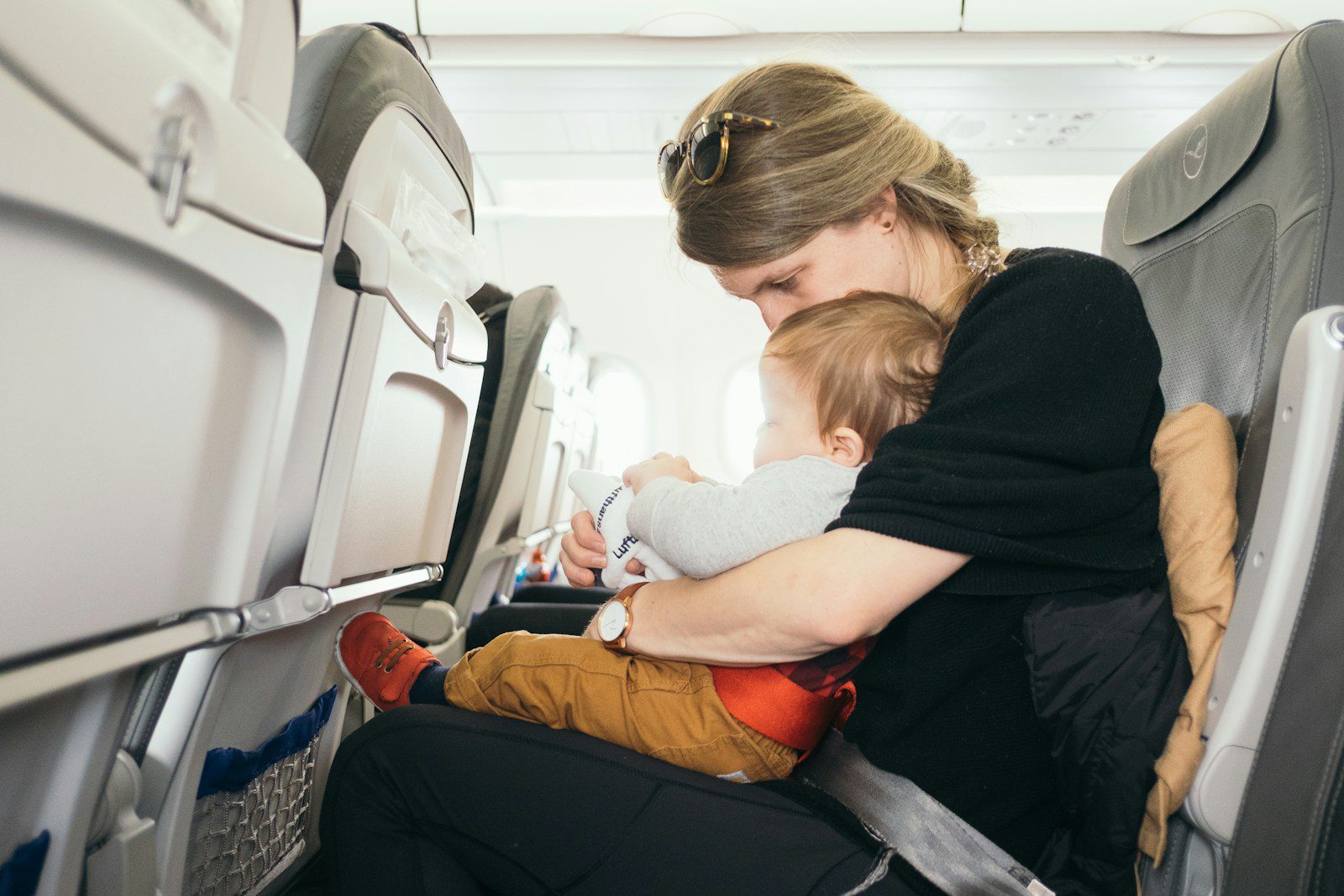
The most prominent recent flashpoint involved Sydney Rae Bass, who was traveling with two young daughters when a flight attendant allegedly told her to get on her hands and knees to pick up spilled popcorn. Her sister, country singer Jessie James Decker, said Sydney had been given the snack by the airline itself on an earlier leg of the trip, then found herself accused of leaving a hazard when the kernels scattered on the floor. Decker described how Sydney had two flights with United and said the popcorn had been handed out by United staff, a detail that fueled anger among parents who felt the airline was blaming a mom for a mess it helped create.
Toronto Blue Jays relief pitcher Anthony Bass then amplified the incident by posting that a United flight attendant had made his pregnant wife clean up the popcorn mess left by their youngest daughter. In his tweet, he framed the demand as unreasonable and humiliating, asking followers if they thought it was appropriate to force a pregnant woman to scrub the floor mid-flight. The image of a professional athlete’s wife being told to kneel in the aisle, combined with the suggestion that the airline had provided the snack, turned a routine cabin cleanup dispute into a viral flashpoint that critics said reflected a broader lack of empathy for parents traveling with small children, as highlighted in coverage of Anthony Bass.
How Jessie James Decker Turned a Family Dispute Into a Viral Moment
Jessie James Decker did not just quietly support her sister, she used her platform to frame the episode as a public shaming of a pregnant woman doing her best to manage two kids on a plane. She posted a since-expired story on Instagram on Sunday, sharing a photo of the spilled popcorn and describing how her sister had been treated, which she characterized as humiliating and unfair. In one account, Decker, who is 34, shared that Sydney was pregnant and traveling alone with two young children when the confrontation unfolded, a detail that made the power imbalance between a stressed parent and uniformed crew member feel even sharper, according to reporting that noted the 34-year-old singer’s social media posts.
Another account of the dispute described how Jessie James Decker publicly claimed the airline had “humiliated” her pregnant sister Sydney Bass over what she called a “popcorn hazard,” casting the crew’s concern about debris in the aisle as an overreaction. She portrayed herself as “sticking up” for Sydney, arguing that a mother juggling toddlers should not be ordered to crawl on the floor to pick up every kernel. That framing, captured in coverage of Jessie James Decker “Humiliated” “Pregnant Sister Sydney Bass Over” a “Popcorn Hazard,” helped cement the story as a symbol of what many parents see as a lack of grace for families in tight, stressful travel conditions.
Anthony Bass, United Airlines and the Question of Responsibility
Anthony Bass’s decision to blast United on social media turned a family grievance into a referendum on who should clean up after kids on planes. In his tweet, he said a United flight attendant made his wife “get on her hands and knees to pick up the popcorn mess” left by their youngest daughter, and he asked followers whether the crew or the parents should be responsible for tidying the floor. The phrasing, which suggested compulsion and humiliation, was widely shared and dissected, with some readers focusing on the words “made her” as evidence of an overstep by the airline, as detailed in accounts of the Toronto Blue Jays pitcher’s complaint.
At the same time, others seized on Bass’s status as a professional athlete and his wife’s access to help, arguing that parents should expect to pick up after their children in shared spaces. The debate quickly moved beyond one family and one airline, with commentators asking whether flight attendants, who are primarily trained for safety and service, should be expected to crawl under seats to gather popcorn, or whether that task belongs to parents and ground cleaning crews. The original tweet, which tagged United directly, forced the carrier to respond publicly and internally, and it underscored how a single social media post can reshape the narrative around what is, at its core, a question of everyday responsibility on a crowded flight.
From “Popcorn Mom” to Flight-Shaming Symbol
As the story spread, the image of a mother being scolded over popcorn turned into a shorthand for a broader anxiety among parents about being judged whenever their kids act like kids in public. One writer who recently flew with a 5-year-old described how “all parents live in fear of the shame inflicted on the popcorn mom,” capturing the sense that any spilled snack or loud cry could become the next viral outrage. That phrase, “All Parents Live in Fear of the Shame Inflicted,” crystallized a feeling that modern parenting is conducted under constant surveillance, with strangers ready to film, comment, and condemn, as reflected in an essay that opened with “I Recently Flew with My 5-Year-Old” and described how parents of a Year 5 Old child now brace for public shaming.
Social media users quickly turned “popcorn mom” into a symbol of both parental victimhood and entitlement, depending on their perspective. Some parents said they saw themselves in Sydney, recalling times they had been glared at for a crying baby or a dropped snack, while others argued that the label masked a basic failure to clean up after one’s own children. The phrase “All Parents Live in Fear of the Shame Inflicted” resonated because it suggested that the real issue is not a few kernels on the floor, but the fear that any misstep will be captured, shared, and judged by strangers who know nothing about the circumstances of what went down.
How Instagram and Twitter Turn Cabin Disputes Into Culture Wars
The popcorn incident did not become a global talking point because of what happened in the aisle, but because of what happened on Instagram and Twitter afterward. Jessie James Decker took to her Instagram account to share the allegations of her sister’s experience, posting that Sydney Rae Bass was traveling with two young children when the confrontation occurred, and that the airline had provided the popcorn. That post, which framed the crew’s actions as humiliating and unfair, was quickly picked up by fans and critics alike, illustrating how a single Instagram story can set the tone for a much larger conversation, as noted in coverage that described how Decker used Instagram to defend Sydney Rae Bass.
On Twitter, the debate took on a life of its own, with one thread about a mother having to clean up her kid’s popcorn mess on a plane sparking a fiery discussion about parents’ responsibilities in public spaces. Commenters weighed in on whether flight attendants should be expected to pick up after children, whether parents were becoming too entitled, and how much mess is acceptable in a cramped cabin. The thread, which centered on a mother being told to clean up popcorn that lay on the floor, became a lightning rod for arguments about courtesy, labor, and the limits of customer service, as seen in reporting on a Twitter thread that captured the clash.
Other Parents Weigh In: From Peanut Allergies to Ventilators
The popcorn uproar landed in an environment where parents already felt that airlines were not consistently accommodating children’s needs. In another case, a mom filed a complaint after claiming an airline refused to accommodate her son’s peanut allergy, arguing that the carrier did not take basic steps to reduce the risk of exposure. That dispute, which was cited in coverage that noted “MORE: Mom files complaint, claims airline refused to accommodate son’s peanut allergy,” fed into a broader narrative that families often feel dismissed when they ask for reasonable adjustments, as highlighted in reporting that contrasted the popcorn debate with a Mom who said her child’s health needs were not taken seriously.
More recently, a Mother in a viral video said airline staff told her she had to take her son off a breathing machine before takeoff, even though he relied on the device for support. The video, which was shared widely, showed the mother explaining that a third flight attendant told her to remove the devices, saying her son would “be OK until we’re in the air at a high enough altitude,” a claim that alarmed viewers and raised questions about training and empathy. That account, reported by By Aaron Cooper for CNN, described how the clip drew more than 1.3 million views and prompted scrutiny of how airlines handle medical equipment for children, as detailed in coverage of the Mother who said she was told to disconnect her son’s breathing machine.
When Safety, Service and Empathy Collide
These disputes highlight a deeper tension between safety protocols, service expectations, and empathy for families. Flight attendants are trained first as safety professionals, responsible for evacuations, medical emergencies, and enforcing regulations, yet they are also the face of customer service in a cramped, high-stress environment. In the popcorn case, crew members may have seen kernels on the floor as a potential slip hazard in the aisle, while parents saw a normal, manageable mess that could be addressed after landing, a disconnect that turned a minor cleanup request into a perceived moral judgment.
Other incidents show how quickly that tension can escalate when health and safety are involved. In one report, a third flight attendant told a mother to remove her son’s ventilator, suggesting he would be fine until the plane reached a higher altitude, a statement that the mother said ignored the medical realities of her child’s condition. She later said she showed documentation and contacted the airline about the ordeal, prompting an apology from United Airlines Holdings Inc., according to a report that detailed how the carrier responded after the mother’s video spread, as seen in coverage of the ventilator dispute. Together, these stories suggest that while airlines emphasize safety, inconsistent communication and a lack of flexibility can leave parents feeling that their children’s needs are being treated as inconveniences rather than priorities.
What Etiquette Experts Say About Cleaning Up After Kids
Amid the outrage, etiquette and travel experts have tried to draw clearer lines about who should clean up what in the cabin. Some argue that parents should make a good-faith effort to pick up obvious trash and food, especially items that could create hazards or make the space unpleasant for the next passenger. They note that while airlines employ cleaning crews between flights, those teams often have limited time, and leaving large messes for others to handle can be seen as disrespectful to both staff and fellow travelers, a view reflected in guidance that asks plainly whether Parents or airline workers are in charge of cleaning up a kid’s mess.
Why Every Viral Plane Video Feels Like a Referendum on Parenting
More from Decluttering Mom: