Sibling rivalry is often expected in families with multiple children. Small arguments, competition for attention, and the occasional squabble are all considered normal parts of growing up together. But sometimes parents notice behavior that feels less like typical rivalry and more like intentional meanness—and that can leave them wondering how to handle it.
One mom recently opened up about this exact situation after noticing troubling behavior from her 5-year-old middle child.
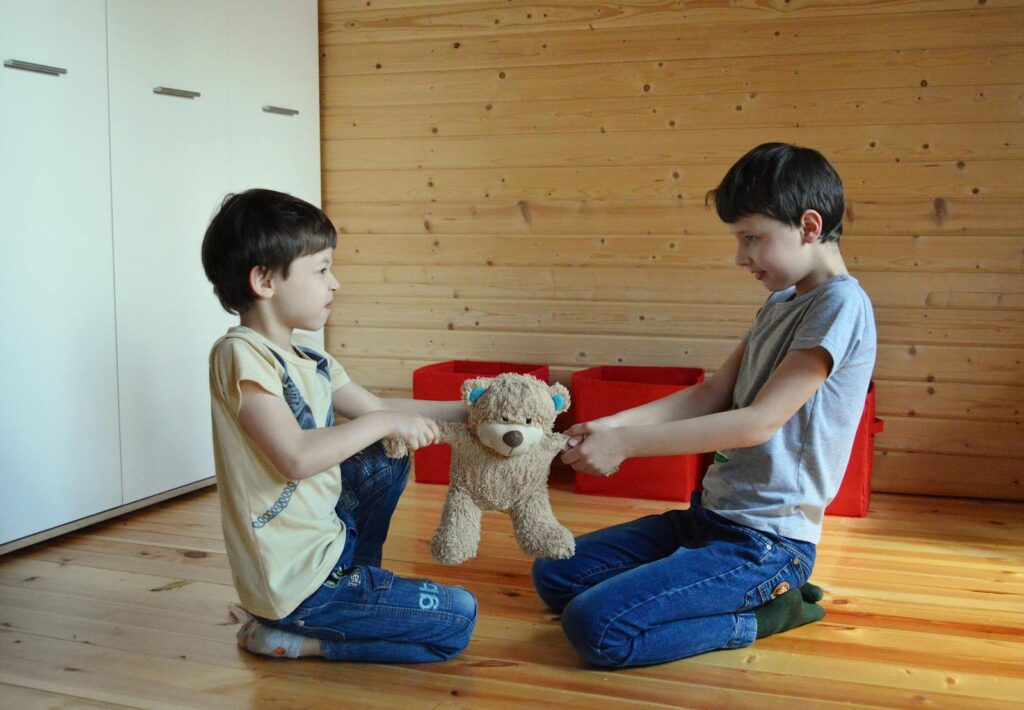
Why This Mom Says Her Son’s Behavior Feels More Than Just Sibling Rivalry
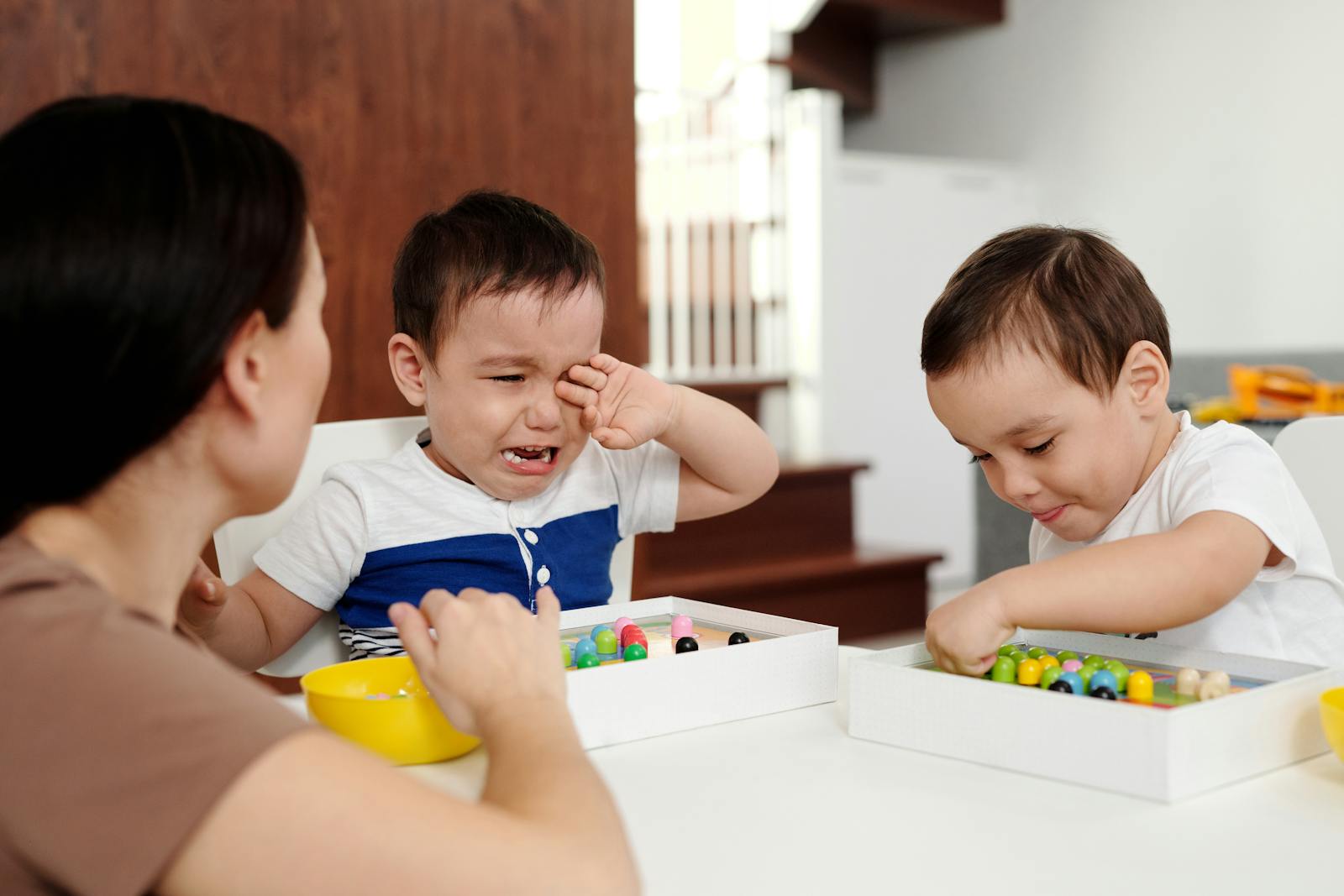
In a post on Reddit, the stay-at-home mom explained that her newly turned 5-year-old has been consistently mean to his siblings—especially his younger sister. According to her, the behavior isn’t the usual back-and-forth arguments kids sometimes have. Instead, it often feels calculated.
She shared several examples of the behavior she’s been seeing.
If his sister wants the last strawberry, he’ll quickly eat it—even though he doesn’t actually like strawberries—just so she can’t have it. If she’s excited about feeding the family dog, he’ll quietly rush to do it first. Even small interactions can trigger a dramatic response, like yelling if she accidentally touches him.
While he’s sometimes kinder to his older brother, the mom said similar behavior has started appearing there too.
What’s been especially confusing for her is that her other two children generally show kindness toward each other, with only the occasional normal disagreement. That contrast has made the situation stand out even more.
She also explained that she’s tried to approach the situation carefully so far. Instead of harsh discipline, she’s focused on explaining why the behavior isn’t okay because she didn’t want him to feel worse than his siblings.
But lately, the pattern has continued—and she says she’s reaching the point where she’s considering stronger consequences like taking away toys or privileges.
Why Some Kids Push Boundaries More Than Others
When young children show difficult behavior, many parenting experts say it can sometimes come from personality differences rather than intentional cruelty.
Some kids are natural boundary testers. They experiment with rules, reactions, and social dynamics to see what they can get away with.
Because of that, parenting approaches that work well for one child may not work the same way for another. Clear rules, quick consequences, and consistent follow-through are often recommended strategies when a child repeatedly tests boundaries.
In families with multiple children, birth order can also influence behavior. Middle children in particular sometimes develop strong reactions around fairness or attention, which can show up in subtle competition with siblings.
Parents Share Strategies for Handling Similar Behavior
In the comments, many parents offered advice based on their own experiences with kids who push limits.
One commenter said children who behave this way often need very clear boundaries and immediate consequences when rules are broken. They compared it to the way curious animals test electric fences—constantly checking to see if the boundary is still there.
Another commenter shared advice they said came from a child psychologist. They explained that some kids intentionally create situations where they can deny wrongdoing. For example, they might overhear that a sibling is excited about doing something and secretly take that opportunity away—then claim they didn’t know.
In those situations, the commenter said it can help for parents to focus less on arguing about intent and more on patterns of behavior.
Others suggested that feelings about fairness may sometimes drive these actions. If a child feels like certain treats or privileges belong only to siblings, they might try to sabotage those moments—even if they don’t actually want the thing themselves.
Some parents said creating individual routines or special responsibilities for each child can sometimes help reduce that tension.
While opinions varied, many commenters agreed that consistency, structure, and clear expectations can go a long way in helping kids learn how their actions affect the people around them.
More from Decluttering Mom: