
Family rules are supposed to keep everyone safe, not kick off a full‑blown drama cycle. Yet for one mom, a simple safety boundary turned into a showdown when her mother‑in‑law brushed it off, someone got hurt, and then the older woman cast herself as the wounded party. It is a pattern that shows up again and again in stories about difficult in‑laws, where ignoring limits and playing the victim seem to go hand in hand.
Across online communities, daughters‑in‑law describe the same script: they set a clear rule, the mother‑in‑law decides it does not apply to her, something goes wrong, and suddenly the person who caused the problem is demanding sympathy. The details change, but the emotional whiplash is familiar enough that entire forums are now devoted to comparing notes and figuring out how to push back.
The safety rule that got ignored
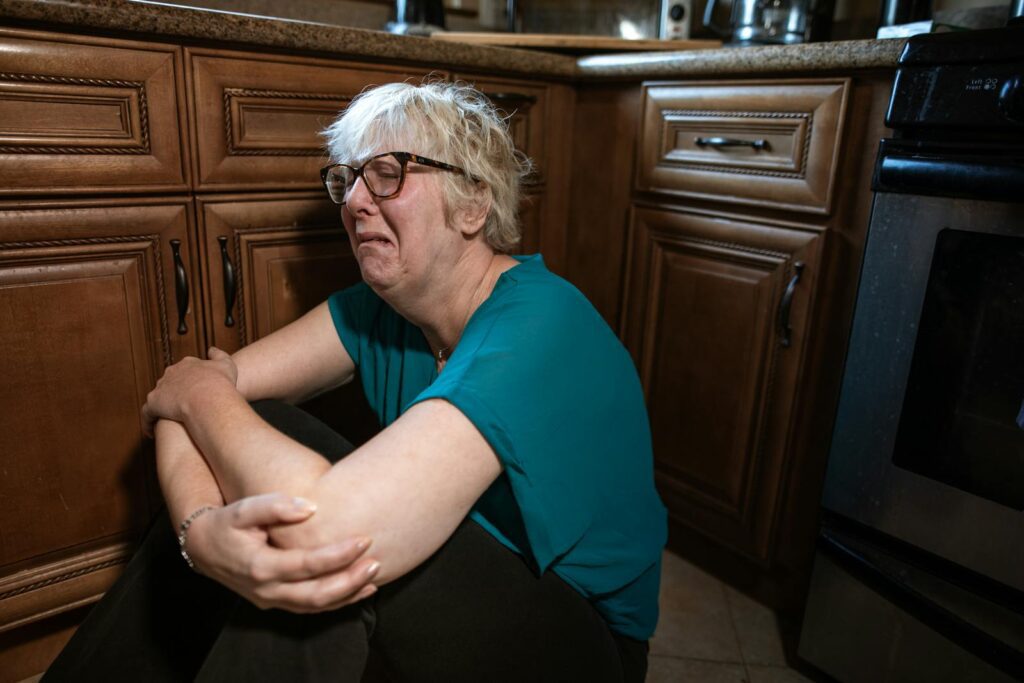
In one widely shared account, a woman invited her mother‑in‑law to stay in her home and tried to keep things simple: the guest could bring her dog, but the animal needed to stay in the basement suite with her. The host was pregnant and already juggling a lot, so the rule was about safety and basic comfort, not control. According to her post, the mother‑in‑law ignored that boundary, let the dog roam the house, and the Dog ended up darting between her legs on the stairs. She fell, broke a bone, and suddenly the theoretical risk she had tried to prevent became very real.
What stung even more was the reaction afterward. Instead of apologizing and taking responsibility, the mother‑in‑law minimized the house rule and focused on how hurt she felt about being confronted. Commenters pointed out that the husband needed to step up, with one response stressing that, At the very least, he had to say more than a vague suggestion to leave. Another commenter noted that, MIL had been told exactly what was expected and She chose to ignore it, which made the injury feel less like an accident and more like the predictable result of someone deciding the rules did not apply to her.
When “I’m hurt” becomes a weapon
That pivot from causing harm to claiming harm is a recurring theme in stories about difficult mothers‑in‑law. In another case, a woman shared screenshots of a message from her husband’s mother, who insisted, There was absolutely nothing wrong with her own behavior and that any hurt feelings were the daughter‑in‑law’s choice. The younger woman pushed back that, You cannot demand people swallow disrespect and then blame them for reacting. Yet the mother‑in‑law kept circling back to how attacked she felt, not to what she had actually done.
In a follow‑up message, the same woman’s mother‑in‑law doubled down, starting with, From MIL to me and rolling into, First of all, the beach trip had nothing to do with her getting her feelings hurt. She insisted that, Just like everyone else, she was responsible only for her own emotions, even as she used that line to dodge any accountability. It is a textbook example of emotional manipulation, where the person who crossed a line reframes the entire conflict around their own wounded pride.
Boundary violations that put kids at risk
When children are involved, the stakes jump fast. One parent described how, When LO was not even two months old, she left the baby with JNMIL and FIL for a single evening. She laid out specific instructions about feeding and sleep, only to come home and find that most of those directions had been ignored. When she raised concerns, the grandparents brushed them off and painted themselves as the victims of “overprotective” parenting, even though the rules were about a newborn’s basic safety.
Another mother shared that her husband’s mother simply refused to respect toilet‑training routines. She explained that her child could go more than four hours without an accident, yet the grandmother insisted she had taken him to the bathroom “multiple” times and still blamed the parents when things went wrong. The poster wrote that, He has gone over 4 hours without an accident, so she knew the story about constant bathroom trips did not add up. Yet the grandmother still leaned on a familiar script of victim mentality and shifting blame to justify why she should keep unsupervised time with the kids.
“Rules don’t apply to me” meets “I’m the victim”
Behind these individual stories sits a broader pattern. One commenter summed it up bluntly to another frustrated daughter‑in‑law: Your MIL feels the rules do not apply to her, so consequences have to be immediate and clear. In that thread, the advice was to cancel a planned outing, like going to the pumpkin patch, if she broke a boundary, rather than arguing about it afterward. The point was not punishment for its own sake, but a reality check that ignoring safety rules has real‑world fallout.
That entitlement often shows up alongside a polished victim act. In another post, a mother described how her husband’s mother kept overstepping with childcare and then melting down when anyone pushed back. The couple decided that, Every manipulation tactic would be met with either a flat, unemotional response or a reminder that emotional outbursts would not change the rules. When she escalated, they put contact on a time out. It was a quiet refusal to keep rewarding the cycle of boundary violation followed by a tearful performance.
Why some mothers‑in‑law lean on victimhood
Psychologists who study narcissistic family dynamics note that some mothers‑in‑law see their son’s partner less as family and more as competition. One breakdown of these traits lists, Jealousy and rivalry, where She feels replaced and tries to outshine or undermine the daughter‑in‑law. That same analysis flags emotional manipulation, where she plays the victim to gain sympathy and make others feel guilty for setting boundaries, along with boundary violations and triangulation that keep her at the center of family conflict.
For daughters‑in‑law on the receiving end, the impact is not theoretical. One woman admitted she had developed a visceral reaction to her husband’s mother after a major boundary breach around childbirth. She wrote that, TLDR, her MIL ignored a very clear “no hospital visitors” rule and showed up right after she gave birth. The new mom described feeling traumatized and unsure if that gut‑level dread would ever fade, especially because the older woman still framed herself as the loving grandmother who had only wanted to be there.
More from Decluttering Mom: