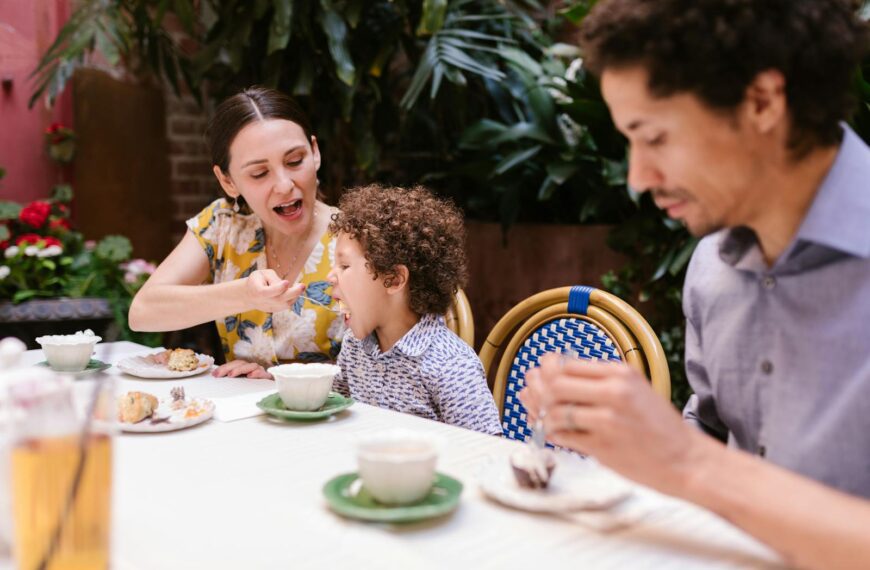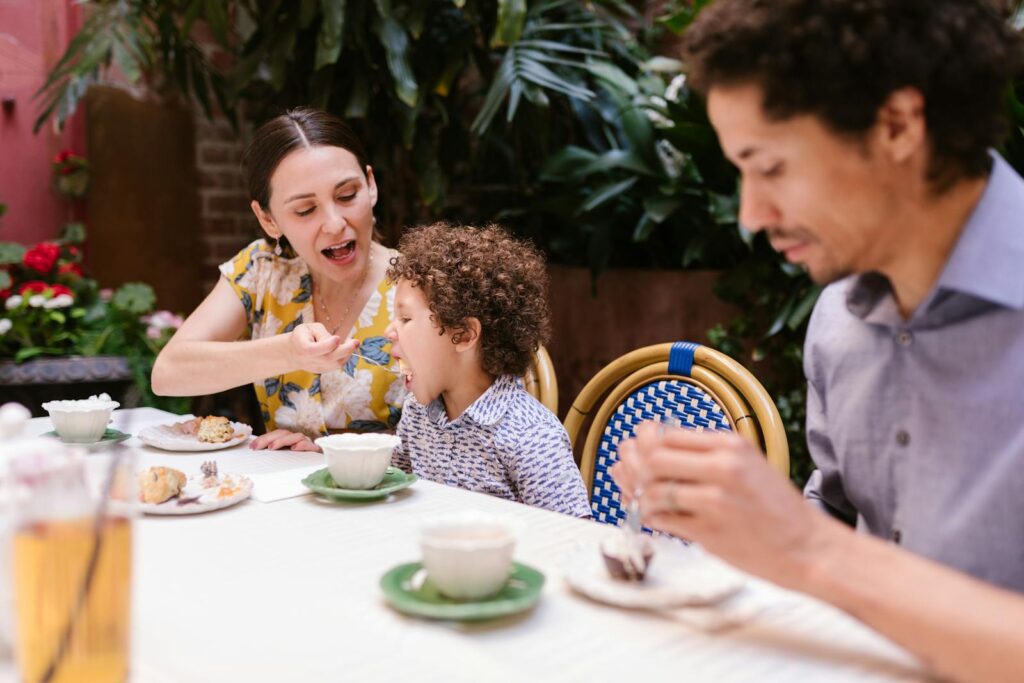
A young mom thinks she has cracked the code for traveling with a toddler: she invites her own mother on every trip. Built-in childcare, another set of hands, and someone who already knows the bedtime routine. But her boyfriend’s family says the arrangement is ruining their chance to bond with the child and with her, and tensions are starting to follow them from the airport back home.
The clash hits a familiar nerve for many couples. When parenting, in-laws, and long-standing family habits collide, everyone tends to feel judged, sidelined, or both. The question is not just who gets a plane ticket, but who gets a say in how this new little family is going to work.

Why She Keeps Bringing Grandma Along
From the mom’s perspective, the setup is simple: travel with a toddler is exhausting. A stroller in one hand, a diaper bag in the other, a car seat that weighs as much as a 2018 Honda CR-V wheel, and a child who may or may not nap on schedule. Her mother already knows the child’s quirks, allergies, and meltdown triggers. She can rock the toddler to sleep in a strange Airbnb and keep an eye on her while the couple grabs a quick dinner downstairs.
In one online story of a similar conflict, a user named Mar described how a child in her life “only goes to mom and grandma” because the men around her have not engaged enough, and commenters argued that the men should be encouraged to build that relationship instead of resenting the existing bond with grandma. That discussion, shared in an AITAH thread, shows how quickly childcare help can be reframed as a threat to other relatives’ egos.
For this mom, her mother is not just backup, she is emotional support. Long flights with a toddler can be isolating. Having someone who has done it before, who will not judge a mid-aisle tantrum, can make the difference between a trip that feels manageable and one that ends in tears in the hotel bathroom.
Why His Family Thinks It Wrecks “Bonding Time”
From the boyfriend’s family’s side, the story sounds different. When they hear that grandma is coming along again, they do not picture extra help. They picture a third adult absorbing most of the toddler’s attention and a gatekeeper standing between them and a closer relationship with the child.
Relatives who already feel unsure about a partner often treat any outside influence as proof that the relationship is not “serious” enough. Guidance on handling disapproving relatives notes that families sometimes frame these concerns as worries about “bonding” or “values,” when underneath, they simply do not like or trust the partner. Resources on dealing with that kind of pushback, such as those offered by healthy relationship advocates, point out that the criticism can come wrapped in concern but still land as control.
There is also a cultural script at play. Some families expect couple trips to be sacred, child-free time, or at least time where only the nuclear family is invited. To them, a partner who travels with a parent feels “too attached,” even when that parent is providing childcare that benefits everyone.
When “Help” Starts To Feel Like Interference
The line between support and intrusion is thin, and both sides are walking it. If grandma starts making decisions about the toddler’s schedule without checking in, or if she criticizes the boyfriend’s parenting, his family may feel she is stepping into a co-parent role instead of a helper role.
Relationship experts who look at extended family tensions suggest watching for patterns where one side repeatedly dismisses a partner’s feelings or boundaries. When relatives refuse to compromise, or insist that their way of doing family is the only valid option, that can signal a deeper respect problem. Advice on handling relatives who disapprove of a relationship, including tips shared by family researchers, often starts with getting clear on what the couple wants first, then presenting a united front.
Online, similar travel disputes pop up in the opposite direction too. In another AITAH post, a commenter named Feb told a poster they were “NTA” when they pushed back after a boyfriend tried to turn a planned couples trip into a larger family vacation, pointing out that someone can love a partner’s mother without wanting her on every getaway. That scenario, shared in an separate thread, mirrors the same core issue here: who gets to define what “quality time” looks like.
Attachment, Toddlers, And Who The Child Runs To
Underneath the travel logistics sits a quieter fear. When a toddler runs straight to grandma after a scraped knee, some parents and in-laws feel replaced. Commenters in Mar’s thread noted that She “only goes to mom and grandma” because They (the men in the family) have not put in the same level of emotional labor with the child. That dynamic is not unique to one family. The adult who handles bedtime stories, snack prep, and 3 a.m. wakeups usually becomes the default comfort person.
More from Decluttering Mom: