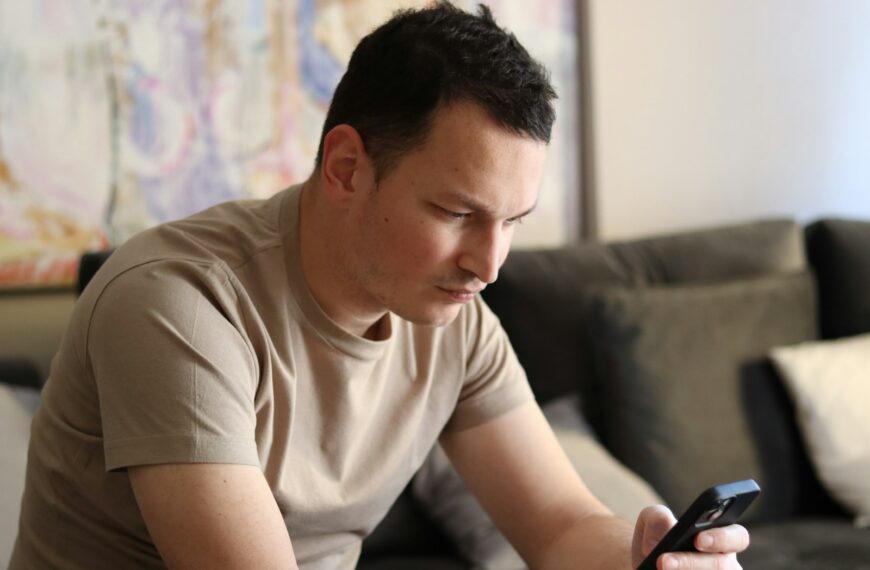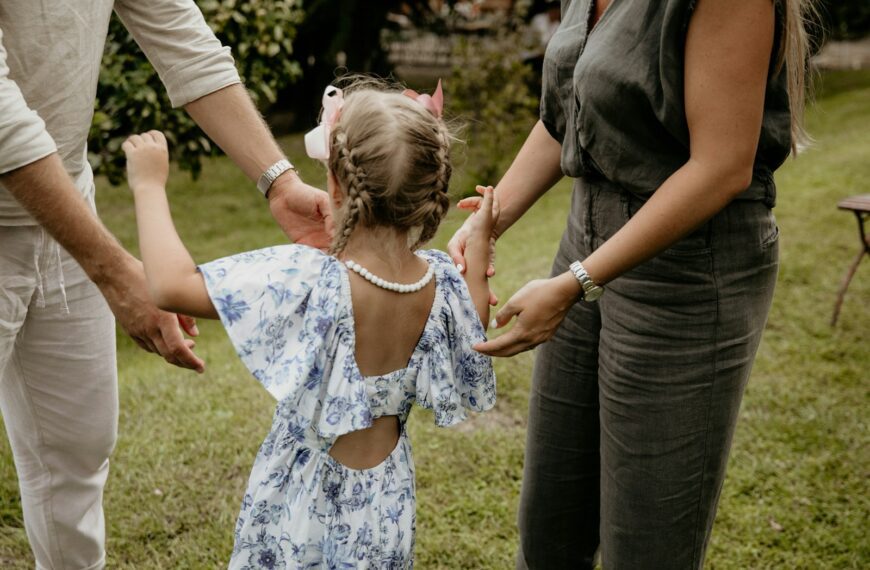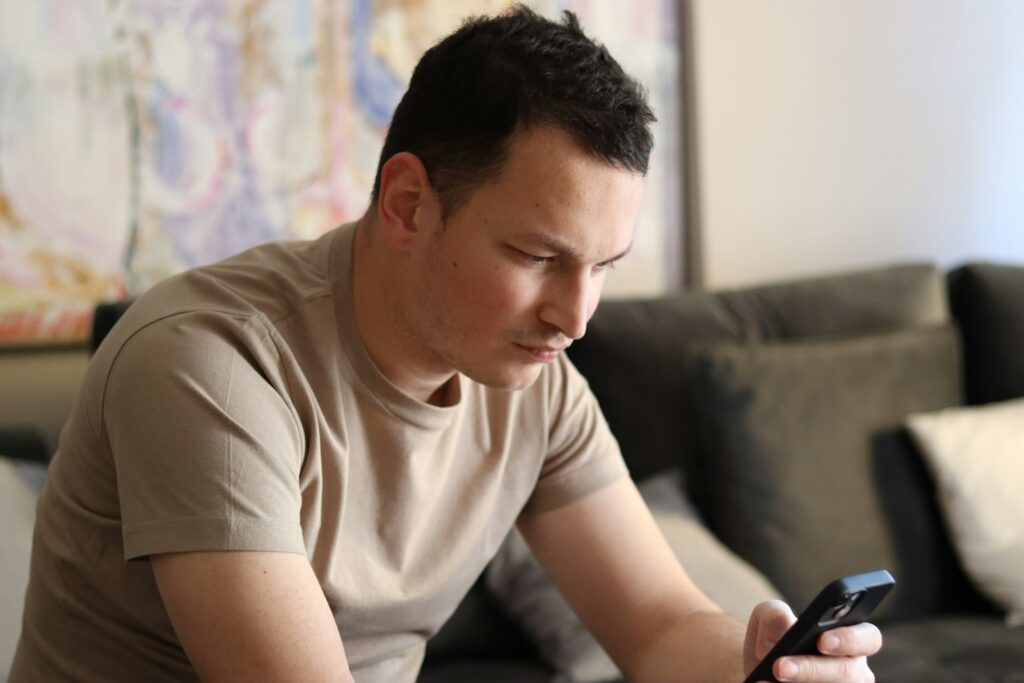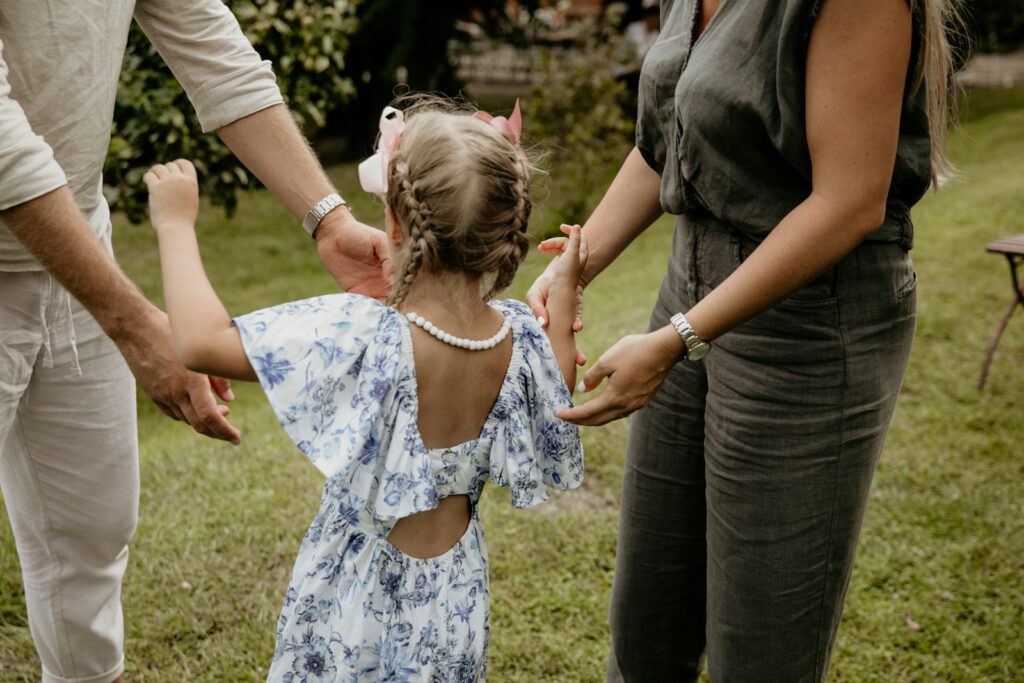
A mother’s quiet decision to stop posting her children on social media has become a flashpoint inside her own family, who say it is “unfair” to cut off the digital stream of birthday photos and soccer highlights. Behind that tension sits a much bigger cultural shift, as parents weigh relatives’ expectations against mounting evidence that online exposure can follow a child for life. The debate is no longer about whether the pictures are cute, but about who controls a child’s image, data, and future.
What looks like a private family disagreement is really a case study in the decline of “sharenting,” the habit of documenting childhood for an invisible audience of apps, advertisers, and strangers. As more parents confront the risks, they are choosing to pull back, even if grandparents and siblings accuse them of overreacting.
Why One Mom Drew a Line, Even When Family Pushed Back
Parents who stop sharing their kids online rarely do it on a whim. Many describe a slow build of unease that turns into a hard boundary once they learn how easily images can be copied, scraped, and repurposed. One TikTok mother, identified as Kaste, said she and her husband had “a very long talk” before deciding to remove their child’s photos, explaining that they feel they live in “a very disgusting world” where the dangers to children “keep getting higher and higher,” a fear that mirrors the growing concern about online predators and child exploitation highlighted in detailed reporting on sharenting.
Experts who study digital safety back up that instinct. Child-protection specialist Jordan has warned that “the risk for children to be identified by strangers and then contacted in real life is not low,” adding that as more personal details accumulate online, “the risks outweigh the benefits,” a calculation that helps explain why some parents now refuse to post any identifiable images at all, even when relatives insist it is harmless to share a few snapshots on Facebook or Instagram, a stance that aligns with Jordan’s assessment of the real-world risks.
For many parents, the emotional cost of that choice is real. One commenter in a Feb thread of progressive mothers admitted that “it sucks” not to post, because she wants to brag about her baby and show everyone her picture, but she worries about safety and about how constant comparison online can fuel “anxiety, jealousy, etc.,” a tension that captures how protective instincts collide with the desire to share joy in a community like r/progressivemoms.
The Hidden Costs of Sharenting That Families Rarely See
Relatives who call a no-post rule “unfair” often focus on what they lose, not on what the child might lose. Yet researchers are documenting how early exposure can shape a child’s digital footprint in ways that are hard to undo. According to an Italian study on “sharenting,” cited in an analysis of whether posting kids makes someone a “bad mom,” children’s images and personal details can be combined into detailed profiles that leave them vulnerable to exploitation, a risk that grows with every tagged birthday party and school uniform shared in a public feed, a pattern highlighted in a discussion of how an Italian sharenting study links posts to long-term exposure.
Pediatric specialists are also tracking a broader cultural shift. One overview of the decline of sharenting notes that there was a time when parents proudly posted every milestone, but “Why More Parents Are Protecting Their Kids’ Privacy Online” now reflects a new norm in which families deliberately limit what they share, especially faces, locations, and full names, a trend that shows how concerns about kids’ privacy online are reshaping everyday habits.
Digital-rights advocates warn that the stakes go beyond embarrassment. NPR has described how “sharenting” can expose children’s data and stories before they are old enough to consent, noting that constant posting can make it harder for kids to “tell their own story” later, because so much of their life has already been narrated by adults in public, a dynamic that underscores why some parents now think twice before uploading that next cute photo.
From “Unfair” to Non‑Negotiable: Why More Parents Are Saying No
What looks to grandparents like an overreaction is, for many parents, a non‑negotiable safety measure. Commentators making “The Case For Keeping Your Kids’ Faces Off Social Media” argue that it makes sense to keep children’s identities private until they are old enough to give meaningful consent, questioning whether a toddler can truly agree to have their image stored, shared, and analyzed by platforms that profit from engagement, a concern that fuels the push to keep kids’ faces off social media.
Cybersecurity specialists add another layer: oversharing about kids can hand criminals the information they need to guess passwords, security questions, or even to impersonate a child later. Guidance on “Sharenting” warns that detailed posts about children’s schools, birthdays, and favorite teams can be used to hack into accounts or commit identity fraud, a reminder that what feels like a family scrapbook can double as a data set for account takeovers.
Regulators are starting to echo those warnings. The CNIL, France’s data-protection authority, notes that children’s images posted online are “always accessible” and can affect their personal and professional future, and it has even helped complainants get photos and videos removed when they felt their rights were violated, a sign that governments now see kids’ online images as a matter of long-term dignity, not just family preference.
How Parents Are Rewriting the Rules With Their Own Families
Parents who opt out of posting are not acting in isolation. One future father explained why he will not share his child online, pointing to a 2018 report that found a significant share of identity fraud cases involved data first posted by a parent in the early 2010s, a pattern that convinced him that even well‑intentioned updates can compromise a child’s data in serious ways, as he described in a reflection on why he is not posting about his kid.
Social media itself is full of parents rethinking the default. In one widely shared Jan reel, a woman described feeling intensely protective and not wanting her child’s photo online at all, worrying about how it could be misused and insisting that every family has to “figure it out for yourself,” a sentiment that has resonated with viewers who see their own doubts reflected in her protective stance.
Others have quietly stepped back without fanfare. One blogger who listed “Safety Concerns” as a core reason for not sharing her children online wrote that she and her partner believe strangers can easily access kids’ images and that early exposure can impact a child’s mental health, a rationale that underpins their decision to keep family life offline despite pressure from relatives who want more updates, a choice she framed under “Another reason we chose not” to post in her reasons for staying private.
For the mom whose family calls her new boundary “unfair,” the emerging consensus among experts, regulators, and fellow parents offers a different word: justified. The real question is not why she stopped posting, but why anyone else still feels entitled to put her children online without asking first.
Supporting sources: Mom’s decision to delete her kid from social media is an eye-opener …, Mom’s decision to delete her kid from social media is an eye …, Mom’s decision to delete her kid from social media is an eye …, Thoughts on people who don’t post photos of their children …, Am I a Bad Mom for Posting Photos of My Kid? – Spread the Jelly, The Decline of Sharenting: Why More Parents Are Protecting …, Constantly posting about your kids online can put their … – NPR, Stop Covering Your Baby’s Face On Social Media, Do This Instead, Are You Oversharing Online About Your Kids or Grandkids? – IDX, Sharing photos and videos of your child on social networks: what risks, I’m Going to Be a Dad. Here’s Why I’m Not Posting About My …, parents are rethinking posting their kids online at all – Instagram, Reasons I Don’t Share My Children On Social Media.
More from Decluttering Mom: