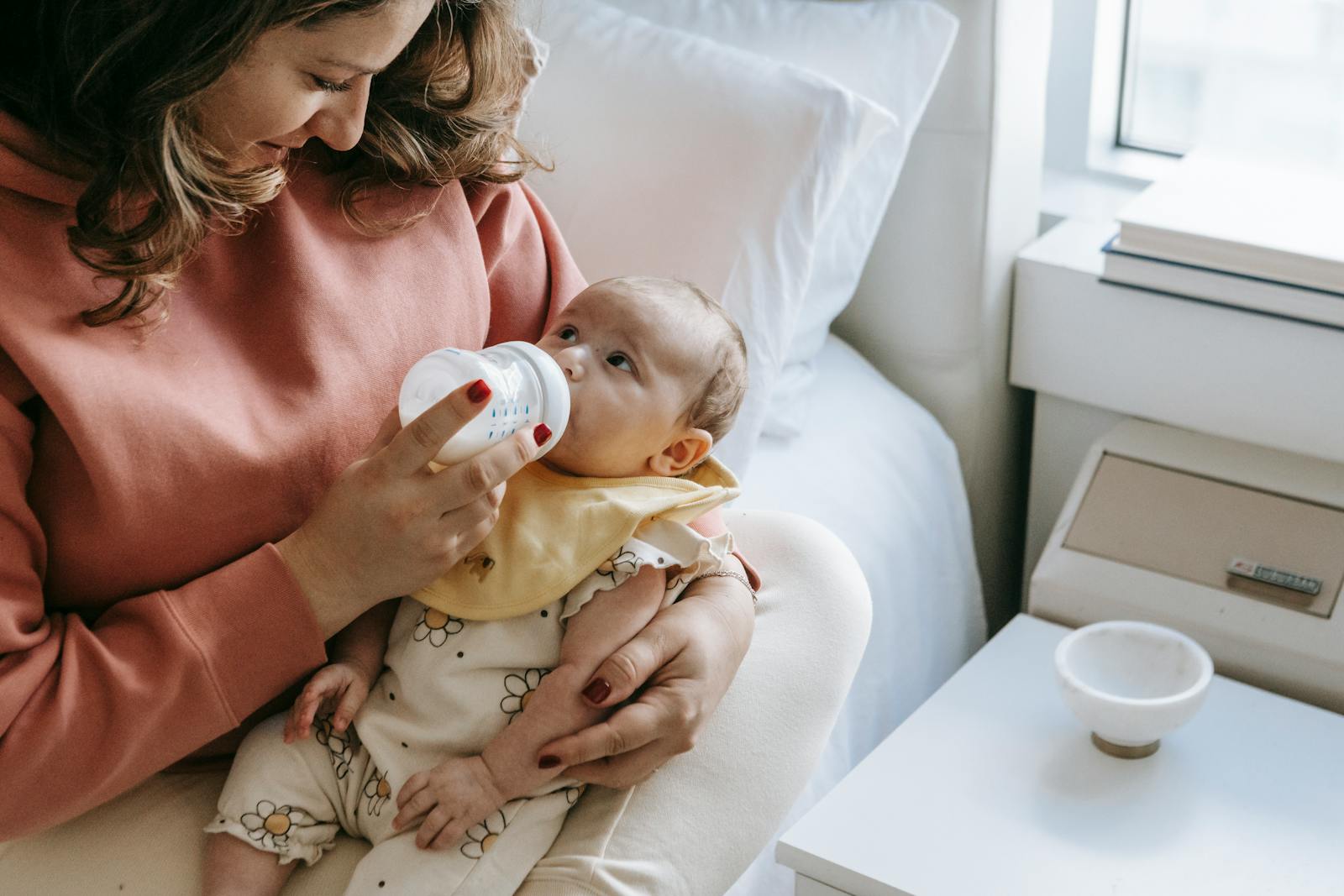
For weeks, one mom braced herself for what she assumed would be sleepless nights filled with tears and tantrums. The bedtime bottle transition she’d been dreading turned out to be surprisingly smooth, with her toddler adapting far more easily than she ever imagined. Her experience challenges the common assumption that weaning from nighttime bottles automatically means disaster.
The mom had built up the scenario in her mind as a worst-case situation. She pictured endless crying, multiple wake-ups throughout the night, and a complete disruption of their carefully established routine. Instead, she found her little one adapted within just a few nights, managing to fall back asleep without the usual sippy cup or bottle that had become such a fixture of their evening ritual.
Her journey highlights how parental anxiety about major transitions can sometimes be worse than the actual change itself. The story offers a glimpse into why moving away from bedtime bottles matters for growing toddlers and practical insights into how other parents might approach this milestone with less stress than they anticipate.

Why Moving On From The Bedtime Bottle Matters
The attachment between toddlers and their bedtime bottles runs deeper than simple nutrition, creating emotional bonds that can affect both dental health and sleep patterns as children grow past infancy.
Understanding The Emotional Attachment To Bottles
The bedtime bottle serves as more than just a feeding method for many toddlers. It becomes a comfort object tied to their entire sleep routine.
Many children develop strong associations between sucking on a bottle and falling asleep. This bottle as a sleep prop can make it harder for them to learn independent sleep skills. The warmth and familiar sucking motion provide emotional security during the transition from wakefulness to sleep.
Parents often underestimate how deeply their toddler relies on this ritual. The bottle for comfort extends beyond physical nourishment into psychological territory. Some children cling to bottles more fiercely as time passes, making delayed weaning attempts increasingly difficult.
Health Risks Of Prolonged Bedtime Bottles
Continuing bottle use past the recommended age creates several health complications. Early childhood caries, sometimes called baby bottle tooth decay, occurs when teeth remain bathed in milk or formula throughout the night.
Prolonged bottle feeding can cause children to skip meals during the day because they fill up on bottles instead. This leads to reduced intake of fiber and nutrients from solid foods. Bottles can also become high-calorie supplements that contribute to toddler obesity.
Additional problems include:
- Tooth alignment issues from extended sucking motions
- Speech delays due to weakened oral muscles
- Disrupted sleep cycles from nighttime feedings
- Increased cavity risk from sugar exposure
The prolonged use of a bottle at bedtime can lead to tooth loss and create long-term feeding difficulties.
Signs Your Toddler Is Ready To Wean
Most toddlers show readiness for weaning off bottles between 12 and 18 months. Children who can drink from cups during daytime meals demonstrate one clear indicator of readiness.
Toddlers who no longer need nighttime feedings for nutrition have reached an important milestone. If a child shows interest in what older siblings or parents drink from, this curiosity signals developmental readiness. Reduced resistance to cups at mealtimes also indicates the transition window has opened.
Physical signs include improved hand coordination for gripping cups and the ability to sit independently during meals. Some toddlers naturally lose interest in their bottles as they become more engaged with solid foods and family mealtimes.
How To Make The Transition From Bedtime Bottle To Cup
The mom discovered that starting the bottle-weaning process around 12 months gave her toddler time to develop cup-drinking skills before the change felt overwhelming. She learned that picking between a cold-turkey approach or gradual bottle weaning depended on her child’s temperament, and that the bedtime bottle typically needed to be the last one eliminated.
Tips For A Smooth And Gradual Switch
She chose the gradual approach after reading that it worked well for babies who needed time to adjust. The mom started by dropping the midday bottle first, which turned out to be less emotionally charged than bedtime.
After a week of success with that change, she moved on to the late afternoon feeding. She replaced each bottle with a cup of milk and added extra snacks to make up for reduced liquid calories.
The transition from bottle to cup took about three weeks total. She saved the bedtime bottle for last, knowing it provided the most comfort. During those weeks, she made sure every caregiver followed the same plan so her toddler wouldn’t get confused by inconsistent routines.
Navigating The Bedtime Routine Without A Bottle
When it came time to eliminate the final bottle, she gradually reduced the milk volume each night by an ounce. This helped her toddler get less dependent on a full bottle for sleep.
She moved the milk-drinking portion earlier in the bedtime routine. Instead of giving the bottle right before putting her child down, she offered a cup of milk after bath time but before books and songs.
The mom brushed her toddler’s teeth after the milk to protect against dental cavities. She found that creating distance between drinking and actual sleep time made the soothing bedtime routine less dependent on the bottle itself.
Alternatives: Sippy Cups, Straw Cups, Or Open Cups
She had introduced a straw cup at six months during regular meals, which gave her toddler months of practice. By the time the transition from bottle to cup happened at bedtime, her child already knew how to use it.
The mom tested three options:
- Sippy cup – Easy to hold but required sucking motion similar to bottles
- Straw cup – Better for oral-motor development and her child’s favorite
- Open cup – Messiest option but good for daytime practice
She settled on the straw cup for bedtime because it didn’t leak and her toddler could handle it independently. The lightweight design made it easy for small hands to grip without frustration.
Making The New Bedtime Routine Comforting
The mom added extra cuddle time to replace the comfort her toddler got from the bottle. She introduced a special stuffed animal that only appeared during bedtime, creating a new sleep association.
She extended the book-reading portion of the routine from one story to two. Singing lullabies became more prominent, and she added gentle back rubs while her child settled into bed.
The transition between 12-18 months proved easier than waiting longer would have been. She stayed consistent even during the first few nights when her toddler protested, and the new routine felt normal within five days. The key turned out to be replacing the bottle’s comfort with other soothing elements rather than simply taking something away.
More from Decluttering Mom: