There is a certain kind of school-related worry a lot of moms carry quietly.
It is not always dramatic. Sometimes it shows up in the pit in your stomach when your child starts dreading school. Sometimes it is the sinking feeling that they are constantly being rushed, corrected, evaluated, or compared. And sometimes it is the question more parents are starting to ask out loud: what if the problem is not my child at all, but the system they are being asked to fit into?
That is why one teacher’s explanation for why she now plans to homeschool hit such a nerve with parents.
@islandspedteacher explained that working inside public schools changed the way she thinks about education entirely. She made it clear that her issue is not with teachers, but with a system she believes is increasingly out of step with how children actually learn. From larger class sizes to rigid curriculum pacing to overstimulating classroom environments, her argument was simple: too many children are being asked to adapt to conditions that do not serve them well.
And for a lot of moms, that landed hard.
The concern is bigger than one classroom
What made this resonate is that it did not sound like a generic “school is bad” rant.
It sounded like something many parents have already been sensing but have struggled to put into words.
@islandspedteacher described classrooms where one teacher is expected to manage the academic, emotional, behavioral, and developmental needs of 25 to 30 children at once. She also pointed to a problem many parents recognize immediately once their child starts struggling: curriculum moves at one pace, but children do not. Some pick up reading quickly and need more challenge. Others need more repetition, more movement, more play, or more time before a concept clicks. But the school day does not always leave room for that kind of flexibility.
That disconnect is what so many moms are reacting to right now.
Because when a child is stressed, constantly trying to keep up, or beginning to believe they are “behind,” parents do not just see it on report cards. They see it at bedtime. They see it in morning resistance. They see it in meltdowns after school, stomachaches before class, or the way their child’s confidence starts slipping.
@islandspedteacher Why I will be homeschooling my own kids one day as a current certified teacher. #homeschool #homeschooling #homeschoollife #homeschoolers #educationsystem
What many parents heard in her message
The comments made one thing clear: this video struck a chord with people who have seen the same tension from different angles.
Former teachers, current teachers, and parents all jumped in to say they understood exactly what she meant. Some said becoming a teacher completely changed how they think about sending their own children into the system. Others agreed with her concerns but added an important layer: not every family is in a position to homeschool well, and not every parent who feels frustrated should immediately pull their child from school.
That nuance matters.
This is not really a story about public school versus homeschool as a simple good-versus-bad choice. It is a story about parents trying to figure out what kind of environment actually helps their child learn, regulate, and grow.
For some families, that may still be a traditional public school with the right support. For others, it may look like homeschooling, a co-op, a smaller private setting, or a different educational model altogether. The bigger shift is that more moms are giving themselves permission to question whether the standard path is automatically the best one.
When school stops feeling like a fit
A lot of parents have been conditioned to assume that if school is not working, the child just needs to adjust.
That is part of what makes this conversation so emotional.
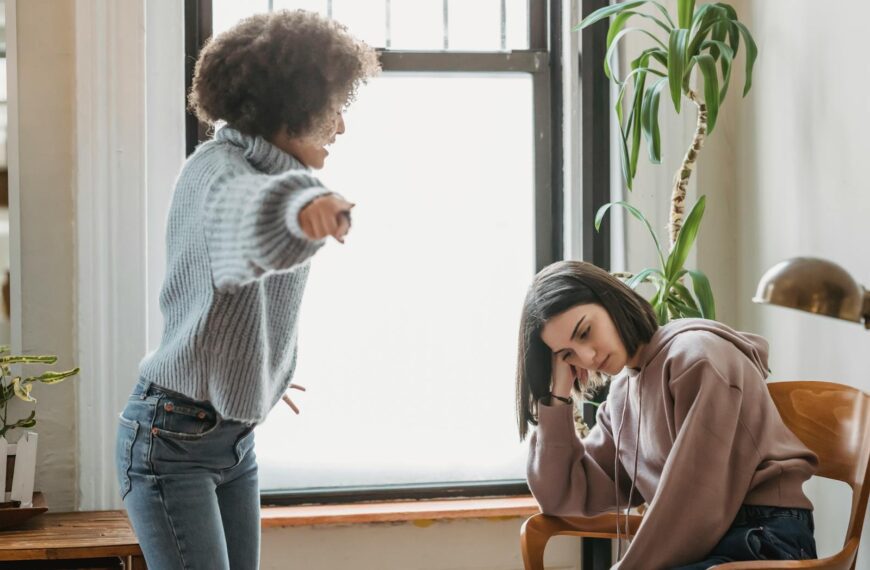
Because sometimes a child is not failing school at all. Sometimes they are reacting exactly how any overwhelmed human would react to a loud, fast-paced, high-demand environment that leaves little room for their individual needs.
That does not mean every concern points to homeschooling. It does mean parents are allowed to look more closely before brushing off what they are seeing.
If your child seems consistently dysregulated, unusually drained after school, anxious about performance, or stuck in a cycle of constantly being labeled as difficult, distracted, emotional, or behind, it may be worth asking harder questions. Not just “What is wrong with my child?” but “What is this environment asking of them every single day?”
That shift in perspective can change everything.
What parents can do before making a big decision
For moms who feel this story hit close to home, the most helpful next step is not panic. It is paying attention.
Start by looking for patterns instead of reacting to one bad day or one hard teacher. Is your child generally tired, resistant, anxious, or shut down around school? Do they seem to learn better in calmer, more hands-on settings at home? Are they constantly being pushed forward before they feel secure in the basics?
Then start asking more specific questions. How large is the class? What kind of flexibility exists if a child needs more time, more movement, or a different approach? Are supports available before a child is simply labeled as the problem? If your child is struggling, what changes are actually being offered?
And if the answers keep pointing in the same direction, give yourself permission to explore alternatives without shame. That does not make you anti-teacher. It does not make you dramatic. It makes you a parent paying attention.
Why this conversation is resonating with moms right now
At its core, this story is not really about one teacher deciding to homeschool one day.
It is about the growing number of parents who are no longer convinced that “working for most kids” is good enough when it is clearly not working for their own.
That is why this video feels bigger than one opinion. It gave language to something many moms already feel: teachers may be doing everything they can, and the system can still be failing children at the same time.
And for parents sitting with that tension, the takeaway is not that there is only one right answer. It is that you are allowed to ask whether your child’s learning environment is helping them thrive — and you are allowed to take that question seriously.
More from Decluttering Mom: